Fred came home from University in tears

Fred came home from University in tears. “Mum, am I adopted?”

“No of course not”, replied his mother. Why would you think such a thing?

Fred showed her his genealogy DNA test results. No match for any of his relatives, and strong matches for a family who lived the other side of the city.

Perturbed, his mother called her husband. “Honey, Fred has done a DNA test, and… and… I don’t know how to say this… he may not be our son.”

“Well, obviously!” he replied.

“What do you mean?”

“It was your idea in the first place” her husband continued.

“You remember, that first night in hospital when the baby did nothing but scream and cry and scream and cry.

On and on. And you asked me to change him.”

“I picked a good one I reckon. Ever so proud of Fred.”

Never keep these items in the house! They attract poverty and bad luck

Home is where we charge ourselves with positive energy.
There are some things we have to take into account because they can act on our psyche, on our state. Such as:

  • Paintings that have negative depictions

They are said to cause memory disorders, neuroses, and anxiety and hinder our spiritual development.

  • Objects the color of the earth
  • Plaster figures and statues
  • Glass walls and floors
  • Unwanted gifts
  • Old and worn-out furniture
  • The knife

The knife should not be left overnight on the table.

  • Footwear

We need to get rid of shoes that are tight, that are worn out.

Objects that benefit us

  • Crystals

Crystals regulate energies.

  • Ficus

Ficus is a plant that accumulates negative energy in the house, balances, brings harmony, peace and removes stress.

  • Paintings

Paintings of old people mean longevity of the house. A painting of a phoenix means rebirth and a peaceful journey through life. A waterfall helps us reach the career we desire. A painting with a rainbow means a beautiful life.

  • A round glass bowl with money in it

Barron Trump opens up on relationship with his father

Despite being the son of a New York business mogul-turned-president, the private life of Barron Trump has largely remained a mystery throughout the years, but now, he has finally opened up about his relationship with his father.

When Barron was born, the world heard the news of his arrival into the world just 20 minutes later. The proud father alerted the media that he welcomed his fifth child.

As reported by several newspapers, he called MSNBC’s long-running radio show “Imus in the Morning,” hosted by Don Imus, to reveal the news.

“Everyone’s perfect,” Donald Trump, who was 59 at the time, told Imus.

“I continue to stay young, right? I produce children, I stay young,” while Melania’s website posted that the baby weighted in at 8 1/2 pounds and was 21 inches long.

AP

He grew up in the Trump Tower in Manhattan, where he has an entire floor for himself. Although he has lived surrounded by luxury, he never had a traditional nanny while growing up. Instead, Melania took all the care of him, and that included preparing him breakfast and lunch every day.

Fast forward to present day, Barron grew up into a well-behaved young man whose height catches the attention of the public. According to his father, Barron is 6 ft 8.


During the presidential campaign and in his inauguration speech Trump praised his son, asking the crowd if they had heard of his “tall son,” to which they replied with loud cheers.

“He knew the youth vote. You know we won the youth vote by 36 points,” Trump said. “He was saying, ’dad, I got to go out and to this and that one and we did a lot of them, Trump said and added: “He respects them all, he understood it very well. He said ’dad, you got to go out and do Joe Rogan, all these guys that we did. They were all great, right? Barron, they were all great.”

On the Valuetainment podcast, hosts Patrick Bet-David, Adam Sosnick, Tom Ellsworth, Vincent Oshana, and FOX News’ Jesse Watters, revealed details about the relationship of Barron Trump with his father.

Namely, the hosts of the podcast, who hosted the likes of late Kobe Bryan in the past, were invited to dinner at Mar-A-Lago where they had the chance to talk to the young Trump.

One of the hosts recalled: “[We were in the middle of talking] and all of a sudden music comes on so loud. We asked what it was and Barron said, ‘my dad’s the freakin’ DJ [in this house]’.”

Getty Images through Irish Star

“All you see is the president on his iPad, the lights on his face… Barron’s like, ‘I’ll be in my room and the house is shaking. My dad plays the music so loud.’”

One of the other hosts praised Barron to be an awesome host.

However, they all found it hilarious to picture the 78-year-old U.S. president playing loud music while 18-year-old Barron tried to keep his cool.

“Barron has a good head on his shoulder,” they said. “He’s a professional. At the end [of the dinner] he was like, ‘Vinny, whenever you guys want to come for dinner, hit me up’. It was amazing.”

Please SHARE this article with your family and friends on Facebook.

The HEALTHIEST FRUIT on Earth: what happens to your body if you eat just 3 a day… Details more

Dates are often hailed as one of the healthiest fruits on Earth due to their impressive nutritional profile. Packed with essential nutrients, dates provide magnesium, potassium, calcium, manganese, iron, phosphorus, and Vitamin A.

These key minerals support various body functions, from maintaining bone health to improving heart function.

A significant benefit of dates is their high fiber content, which aids digestion and helps maintain a healthy gut.

With only a small amount of fat and a moderate protein content, dates are an excellent option for those aiming to improve their overall diet. A 100-gram serving of dates provides about 280 calories, offering a high energy boost in a compact form.

In addition to basic nutrients, dates are rich in antioxidants like flavonoids, carotenoids, and phenolic acid, which combat inflammation and oxidative stress. Regular consumption of dates can potentially reduce the risk of chronic diseases, promoting long-term health benefits.

My Daughter and I Have a ‘Code Word’ – What Happened Yesterday Is Why You Should Have One with Your Loved Ones Too

This experience reminded me why having a code word is crucial for keeping our kids safe.

When I was a child, my mother taught me to use a code word if I ever found myself in trouble and couldn’t speak openly about it. As an adult, I decided to pass on this life-saving trick to my daughter. I figured she might use it to avoid an awkward sleepover or uncomfortable hangout. Never did I imagine she’d need to use it so soon.

Yesterday started like any other day, or so I thought. As I sat in the kitchen, finishing my evening coffee, my phone rang. It was my ex-husband, Dave. Our once warm and affectionate relationship had become strained over the years, as divorce often does. We tried to maintain civility for our daughter, Amy, but tension was always there.

“Hey, Claire,” Dave’s voice was hesitant. “Amy wants to talk to you. She’s been asking to tell you about her day since she got here.”

This caught me off guard. Amy usually enjoyed her weekends with her dad and rarely called me during those visits. “Oh, sure, put her on,” I replied, keeping my voice steady, though I felt a knot forming in my stomach.

“Hi, Mom!” Amy’s voice was cheerful, but something in her tone didn’t sit right with me. I listened closely, picking up on an unusual undercurrent in her usually light-hearted chatter.

“Hey, sweetie! How’s your weekend going? Having fun?” I asked, trying to keep the conversation upbeat.

“Yeah, it’s been good. We went to the park yesterday, and I drew some pictures this morning. I drew a dog, a tree, and… I wish I had a blue marker so I could draw blueberries.”

Image for illustrative purposes only.

The word “blueberries” hit me like a ton of bricks. My heart skipped a beat. Amid her innocent conversation, Amy had slipped in our secret code word. I froze, trying to stay calm. The word meant “get me out of here immediately.”

“That sounds great, honey. I’m coming to get you. Please don’t say anything to your father. I’ll explain when I get there.”

“Did you have anything else you wanted to tell me?”

“No, that’s it,” she said sweetly, but I sensed an underlying fear in her voice. I knew I had to get her out of there.

“I’ll see you soon, okay?”

“Okay, Mom. Love you.”

“Love you too, my Amy Wamy.” I heard her giggle as I hung up the phone, but my hands were trembling. What could have happened? Dave had always been a good father. But something was clearly wrong. I grabbed my keys and headed to his place, determined to bring Amy home.

Image for illustrative purposes only.

When I arrived and knocked on the door, I was surprised to be greeted by a woman I didn’t recognize. She looked at me with a mix of curiosity and annoyance.

“Can I help you?” she asked curtly.

“I’m here to pick up my daughter. Is Dave home?”

“He just stepped out to run some errands, but Amy’s inside. Who are you?”

“I’m Claire, Amy’s mom,” I replied, trying to keep my cool. “And you are?”

The woman’s expression hardened. “I’m Lisa, Dave’s girlfriend. We’ve been living together for a few weeks now.”

I blinked, shocked. Dave had never mentioned having a girlfriend, let alone living with someone. Why hadn’t Amy said anything about this before? But now wasn’t the time for questions. I needed to get my daughter out of there.

“Well, Lisa, I just remembered Amy has a doctor’s appointment tomorrow morning, and there are some things we need to go over beforehand,” I lied, forcing a smile. “I forgot to mention it to Dave, but I’ll bring her back later.”

Lisa didn’t seem convinced but didn’t argue. “Fine, but I’ll tell Dave.”

“Of course,” I said, stepping into the house. Amy was curled up on the couch, coloring in a book. Her face lit up when she saw me, but I noticed the relief in her eyes.

“Hi, sweetie,” I said, keeping things light. “We need to prepare for the doctor tomorrow, remember?”

Amy nodded, clutching her book. She didn’t say a word as we left the house. Lisa watched us go, but she didn’t stop us. Once we were in the car and driving away, I glanced at my daughter.

“You okay, baby?” I asked gently.

Image for illustrative purposes only.

Amy nodded at first, but then the tension melted away, and she started to cry. “Mom, Lisa… Lisa is mean to me when Dad isn’t around.”

My heart sank. “What do you mean, sweetie?”

“She says I’m annoying and that I shouldn’t be there. She told me if I told Dad, he wouldn’t believe me because I’m just a kid. She said I should stay in my room and not bother them.”

Anger flared inside me. How dare this woman, a stranger in my daughter’s life, treat her this way?

“Amy, you did the right thing by telling me. I’m so proud of you,” I said, trying to stay calm. “You don’t ever have to be around her again if you don’t want to. I’ll talk to your dad, and we’ll figure this out, okay?”

Amy nodded, wiping her tears. “Okay, Mom.”

Image for illustrative purposes only.

When we got home, I hugged Amy tightly, reassuring her of my love. Once she was settled with her favorite stuffed animal, I called Dave. He answered on the third ring.

“Hey, Claire, did something happen? Lisa said you picked up Amy?”

“Yes, something happened,” I replied, barely containing my anger. “Amy used our code word today, Dave. She wanted to leave because Lisa has been saying awful things to her when you’re not around.”

There was a long silence. “What? That can’t be right… Lisa wouldn’t—”

“She did, Dave. Amy was in tears by the time we got in the car. She’s scared of your girlfriend and didn’t know how to tell you, so she told me the only way she could.”

“I’m sorry. I had no idea. I’ll talk to Lisa. This isn’t okay.”

“No, it’s not,” I agreed, my voice softening. “But what’s more important is Amy. She’s the one we need to focus on.”

“You’re right,” Dave said, sounding defeated. “I’ll handle it. I promise.”

After hanging up, I sat on the couch, emotionally drained. This wasn’t how I’d imagined my weekend, but I was glad Amy felt safe enough to use our code word. It made all the difference.

Then and there, I decided Amy needed a phone. I knew technology could be tricky, but it would give her a direct way to reach me.

Image for illustrative purposes only.

Reflecting on the day, I realized how crucial it is for parents to have a code word with their children. It offers them a safe way to communicate when they can’t speak openly. But choosing the right code word is essential.

First, avoid common words that might come up in conversation, like “school” or “birthday.” You don’t want to cause unnecessary alarm. The word should be unique and not easily guessed.

Second, consider a short phrase if your child is old enough. Something like “sunshine forest” or “dancing penguin” adds an extra layer of security. Make sure your child can recall it easily, even under stress.

Lastly, practice using the code word in different scenarios so your child feels confident and prepared if they ever need it.

Image for illustrative purposes only

Our experience was a powerful reminder of how a simple plan can make a big difference. I hope by sharing our story, other parents will consider creating a code word with their children. It might just be the tool they need in a critical moment.

Note: This work is inspired by real events and people, but it has been fictionalized for creative purposes. Names, characters, and details have been changed to protect privacy and enhance the narrative. Any resemblance to actual persons, living or dead, or actual events is purely coincidental and not intended by the author.

Sources: Amomama.com; fitbodymedia

Love these recipe ideas

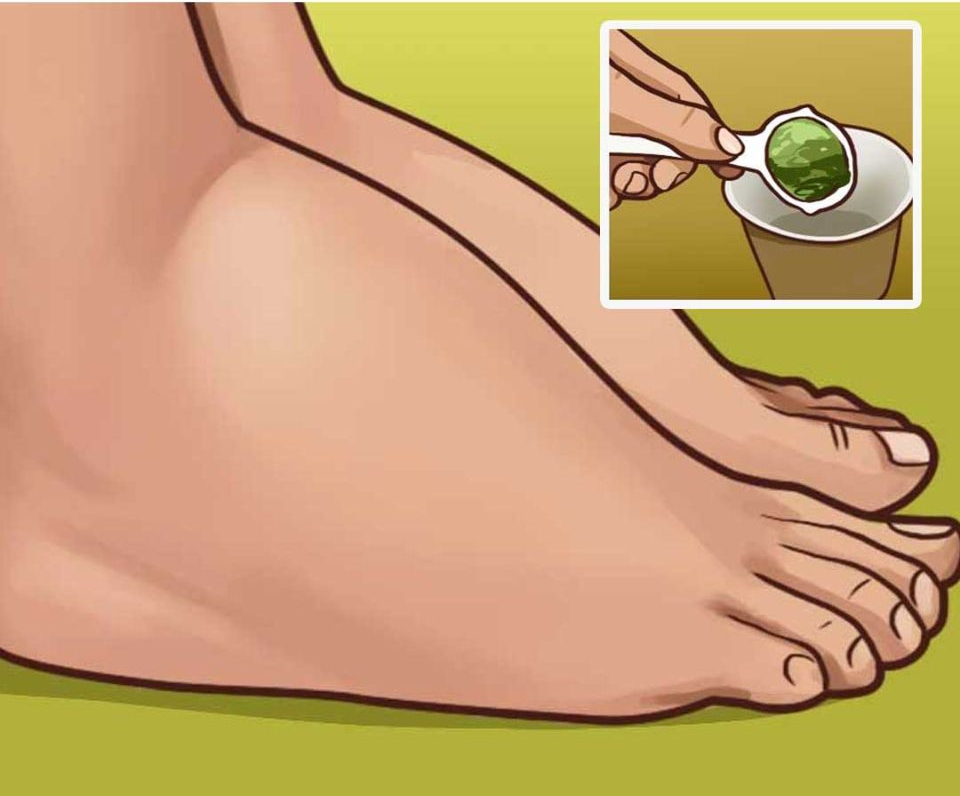
Water retention, also known as edema, occurs when excess fluids build up inside the body. This condition can cause swelling in the hands, feet, ankles, and legs. While it’s often temporary, persistent water retention can be uncomfortable and may indicate an underlying health issue. It’s crucial to understand the causes, symptoms, and effective ways to manage and reduce water retention to maintain overall health.

Causes of Water Retention

There are various reasons why the body might retain extra water. Common causes include high sodium intake, hormonal changes, certain medications, lack of physical activity, and underlying medical conditions such as heart or kidney disease. Understanding the root cause can help in finding the right approach to alleviate symptoms and prevent recurrence.

Symptoms of Swelling in Hands and Feet

Symptoms of water retention in hands and feet typically include puffiness, stiffness, and a feeling of heaviness. The skin may also appear stretched or shiny. In severe cases, pressing on the swollen area for a few seconds can leave an indent. Recognizing these symptoms early can prompt timely actions to reduce swelling.

The Importance of Staying Hydrated

It might seem counterintuitive, but staying well-hydrated is essential to prevent water retention. When the body perceives dehydration, it holds onto more water as a protective mechanism. Drinking adequate amounts of water helps the kidneys to function properly, flushing out excess sodium and toxins, and thus reducing fluid retention.

Dietary Adjustments to Reduce Water Retention

Making certain dietary adjustments can significantly impact water retention. Reducing sodium intake, increasing the consumption of potassium-rich foods, and avoiding processed and junk foods can help; these contain preservatives and additives that contribute to fluid build-up. Incorporating a balanced diet rich in fruits, vegetables, lean proteins, and healthy fats is key.

Foods that Help Flush Out Excess Water

Certain foods have diuretic properties, meaning they promote the production of urine and help flush out excess water. These include cucumbers, watermelon, celery, and citrus fruits. Additionally, foods high in potassium like bananas, avocados, and sweet potatoes aid in balancing the body’s fluid levels.

Herbal Teas for Reducing Swelling

Herbal teas, such as dandelion tea, green tea, and parsley tea, can be effective natural remedies for reducing swelling. These teas have diuretic properties that help eliminate excess fluids. Drinking a cup or two daily can aid in de-bloating and reducing puffiness in hands and feet.

Epsom Salt Soaks for Hands and Feet

Epsom salt baths can provide significant relief from swelling. The magnesium sulfate in Epsom salts helps draw out excess fluids and reduce inflammation. To make an Epsom salt soak, mix 1/2 cup of Epsom salt in a basin of warm water and soak your hands or feet for 15-20 minutes, several times a week.

Easy-to-Make Anti-Inflammatory Smoothie Recipe

Anti-inflammatory smoothies can boost your intake of essential nutrients and help reduce water retention. Here’s a simple recipe: Blend 1 cup of kale, 1 cup of pineapple chunks, 1/2 cucumber, 1 tablespoon of chia seeds, 1/2 lemon (juiced), and 1 cup of coconut water. Drink this smoothie in the morning to start your day with a hydrating and anti-inflammatory boost.

Natural Diuretic Drink Recipe

A natural diuretic drink can help flush out excess fluids. Combine 1 cup of watermelon, 1/2 cucumber, 1/2 cup of cranberry juice, and the juice of 1 lemon in a blender. Blend until smooth and drink in the morning or early afternoon for the best effects.

Hydrating and Detoxifying Soup Recipe

A hydrating and detoxifying soup can be a soothing and effective way to reduce water retention. Here’s a recipe: Sauté 1 onion (chopped) and 3 cloves of garlic (minced) in 1 tablespoon of olive oil. Add 4 cups of low-sodium vegetable broth, 1 cup of chopped celery, 1 cup of chopped carrots, 2 cups of spinach, and 1 tablespoon of fresh parsley. Simmer for 20-25 minutes, and add salt and pepper to taste. Enjoy this soup as a part of your meals to help eliminate excess water and toxins.

Lifestyle Changes to Prevent Water Retention

Implementing certain lifestyle changes can also help prevent water retention. Regular exercise promotes circulation and reduces fluid buildup. Elevating your legs, wearing compression stockings, and maintaining a balanced diet are also effective strategies. Additionally, managing stress and ensuring adequate sleep can improve your body’s ability to regulate fluids.

Conclusion: Maintaining a Balanced Fluid Level

Maintaining balanced fluid levels in your body is crucial for overall health and well-being. By understanding the causes and symptoms of water retention and incorporating dietary, lifestyle, and natural remedies, you can effectively manage and reduce swelling. Staying hydrated, eating a balanced diet, and making knowledgeable health choices are essential steps toward achieving and maintaining balanced fluid levels.

Are Your Nails Always Splitting Or Breaking? Here’s What Your Body Is Trying To Tell You

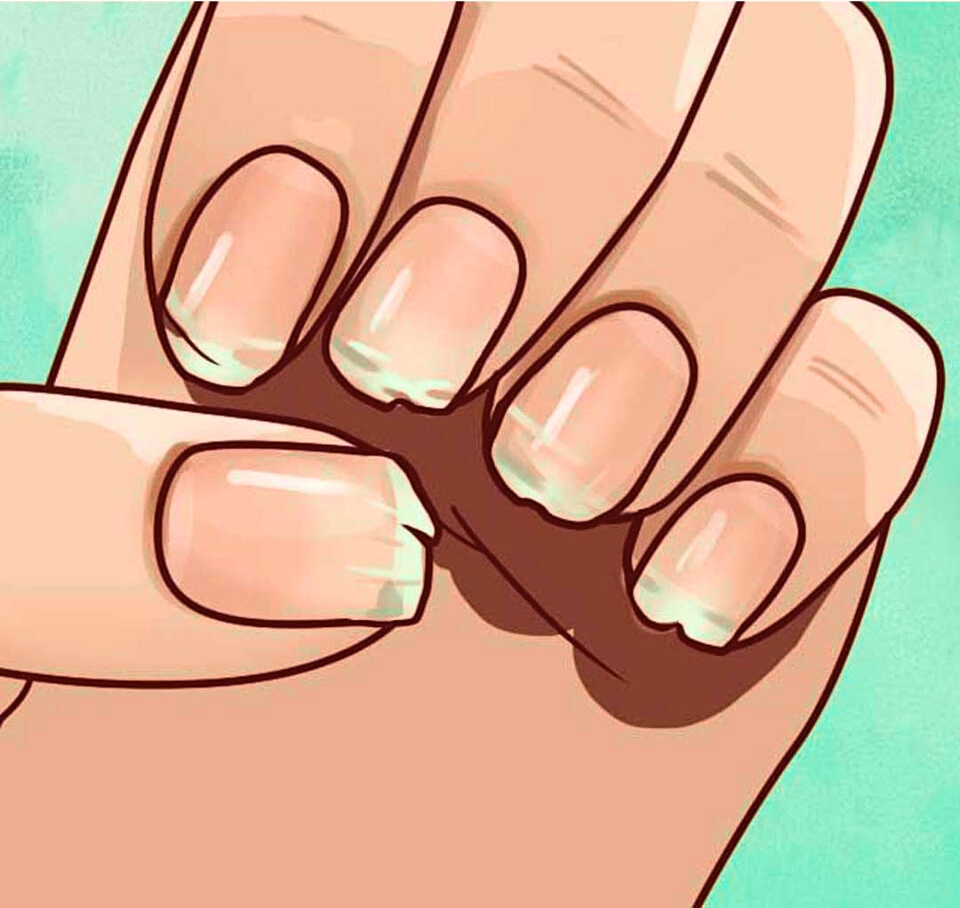
Healthy, robust nails are often taken for granted, yet their condition can be a surprisingly telling indicator of your overall health. When nails frequently split, break, or exhibit unusual symptoms, they might be sending critical signals about nutritional deficiencies or underlying health issues. Recognizing these signs early can not only lead to aesthetic improvements in your nails but also alert you to bodily needs that, if addressed promptly, can enhance your general health and prevent further complications.

In this exploration of nail health, we delve into the various reasons why nails may become weak or brittle and what your body is trying to communicate through these changes. From the impact of your diet and environmental factors to more serious health conditions, understanding these causes can empower you to make informed decisions about your nutrition, lifestyle, and when to seek professional advice. This comprehensive look at nail health aims to provide you with the insights needed to maintain not only beautiful nails but also a healthier body.

1. Nutritional Deficiencies

Lack of Biotin

Biotin, a B-vitamin, plays a crucial role in the health of your hair, skin, and nails. A deficiency in biotin can lead to brittle nails prone to splitting. Foods rich in biotin include eggs, almonds, cauliflower, cheeses, mushrooms, sweet potatoes, and spinach.

Iron Deficiency

Iron is vital for your body’s production of hemoglobin, which helps carry oxygen to cells, including those responsible for nail growth and health. An iron deficiency can result in brittle, oddly shaped nails. Consider incorporating more iron-rich foods like spinach, red meat, lentils, and fortified cereals into your diet.

Insufficient Protein Intake

Keratin, a protein, is a primary component of nails. A diet lacking in protein can lead to weak nail structure and increased breakage. To boost your protein intake, include more lean meats, poultry, fish, legumes, and dairy products in your meals.

2. Hydration Issues

Dehydration can significantly impact your nails, causing them to become brittle and more susceptible to splitting. Drinking plenty of water throughout the day helps maintain nail flexibility and strength.

Are Your Nails Always Splitting Or Breaking Heres What Your Body Is Trying To Tell You3 e1725732373770

3. Environmental Factors

Chemical Exposure

Regular contact with harsh chemicals, including cleaning agents, nail polish removers, and detergents, can weaken your nails over time. Wearing gloves while cleaning and choosing acetone-free nail polish removers can help mitigate these effects.

Weather Conditions

Exposure to extreme cold or dry conditions can strip moisture from your nails, making them brittle. Using a moisturizer and wearing gloves during colder months can provide protection.

4. Health Conditions

Thyroid Diseases

Both hyperthyroidism and hypothyroidism can cause brittle nails. If you suspect your thyroid might be the issue, a simple blood test can help diagnose these conditions, and appropriate treatment can be administered.

Psoriasis

This skin condition can extend to the nails, causing pitting, abnormal nail growth, and splitting. Treating the underlying psoriasis can often improve nail health.

Fungal Infections

Fungal infections can damage the nail bed and cause nails to become brittle and split. Antifungal treatments are effective in resolving these infections.

5. Physical Stress

Repeated physical trauma, like using your nails as tools, can cause immediate and long-term damage. Keeping nails trimmed and avoiding using them inappropriately can prevent splits and breaks.

6. Age-Related Changes

As you age, nails can become drier and more brittle. Incorporating more omega-3 fatty acids into your diet and moisturizing your nails can help combat these changes.

Your nails can be a window into your overall health. By addressing nutritional deficiencies, protecting against environmental harm, staying hydrated, and seeking treatment for any underlying health conditions, you can improve not only your nail health but also your general well-being. If you’re concerned about persistent issues with your nails, it might be wise to consult with a healthcare provider or a dermatologist to explore deeper health insights and solutions.

In 1975, I found a girl by the railway tracks and adopted her

We’re stuck at the crossing again,» sighed Klavdiya Petrovna, adjusting her woolen scarf. «What do you think, Anya, maybe we’ll get lucky and find a gold bar on the tracks?»

«As if,» I smirked. «You’d be lucky to find a frozen crow here.»

The November wind cut to the bone. I was returning from the evening shift at the station, where I’d been a cashier for years. The sky hung so low, it seemed it might fall on our heads at any moment. The streetlights along the railway lit every other one, turning my way home into a strange dance of light and shadow.

After Nikolai’s death—three years had passed, but it still hurt to remember—I often stayed late at work. At home, only silence and a radio in the kitchen greeted me. Sometimes I wrote letters to my friend Tamara in Novosibirsk, but she rarely replied—she had three kids, no time for letters.

That evening, I decided to take a shortcut through the spare tracks. My legs were buzzing from fatigue when I heard a sound. At first, I thought it was my imagination. But the sound repeated—a soft cry, like that of a kitten.

«Kitty-kitty,» I called out, peering into the darkness between the sleepers.

The sound grew clearer. It was definitely crying, a child’s cry.

My heart skipped a beat. I hurried toward the sound, stumbling over rocks and frozen earth. Behind a pile of old sleepers, curled up into a ball, was a little girl. In the dim light of the lantern, I made out her dirty, tear-streaked face with huge frightened eyes.

«My God,» I breathed, kneeling down. «How did you end up here?»

The girl—a five-year-old—only curled up tighter and fell silent.

«You’re frozen,» I touched her cheek. Cold as ice. «Come with me, we’ll have some tea with raspberry jam at home.»

She didn’t resist when I picked her up. She was as light as a feather.

«My name is Anna Vasilyevna,» I told her as I carried her home. «I live nearby. I have a cat, Vasily. He’s naughty—always trying to pee in the slippers when I forget to feed him on time.»

The girl remained silent, but I felt her gradually relax, pressing against my shoulder.

For illustrative purposes only
At home, the first thing I did was stoke the stove. While the water heated, I fed the girl hot soup. She ate eagerly yet neatly, glancing at me from under her brows.

«Don’t be afraid,» I smiled. «No one will hurt you.»

After a bath, dressed in my old nightgown (I had to roll up the sleeves ten times), she finally spoke:

«Will you really not throw me out?»

«Really,» I answered, combing her tangled hair. «Will you tell me your name?»

«Lena,» she whispered. «Lenochka.»

The next day, the police could only spread their hands. No reports of a missing child had been filed. The young officer sighed sympathetically:

«We’ll have to put her in an orphanage. You understand, it’s the procedure…»

«No,» I said firmly. «We won’t.»

«Anna Vasilyevna,» he hesitated, «but you live alone…»

«And what? I’ll manage. I’m not that young anymore.»

That same evening, Lenochka, sitting in the kitchen with a cup of milk, suddenly asked:

«Why didn’t you have children?»

I nearly dropped the ladle:

«Who said I didn’t?»

«There are no pictures,» she shrugged.

«Smart girl,» I chuckled. «Maybe it just wasn’t meant to be. But now I have you.»

She smiled—for the first time in those days—and I knew: I’d never give her up. Come what may.

«Mom, why do you have such a strange dress in this photo?» Lenochka held an old picture where I was in my best crepe de Chine.

«It’s not strange, it was fashionable. I stood in line for a year to buy that fabric.»

The guardianship proceedings dragged on for three months. Endless paperwork, endless offices, skeptical looks from officials. «Do you understand the responsibility? What if her parents show up? How will you support her?»

I just shrugged: «We’ll manage somehow.» And at night, I counted pennies, figured out how to stretch my salary for two. I turned old curtains into a dress for Lenochka, tailored a jacket out of my coat for her.

Neighbors whispered behind my back: «Why does she need this? She has no children of her own, so she took someone else’s. What if the child has bad genes?»

Especially persistent was Nina Stepanovna from the first floor. Every time she saw us by the entrance, she dramatically sighed and rolled her eyes: «Oh, Anna, you’re going to have trouble with her…»

Lenochka once couldn’t take it:

«And you, Aunt Nina, are just jealous. Your own son is grown up, and he doesn’t even visit you.»

I barely held back laughter, looking at the neighbor’s stunned face. At home, of course, I scolded her for her cheekiness, but deep down, I was proud—she was getting a character.

Gradually, life got on track. Lenochka went to first grade, and I took a job as a janitor at her school—to be closer to her. Teachers couldn’t praise her enough: capable, catches on the fly.

In the evenings, we often sat at the old dining table—I checked her notebooks, she did her homework. Sometimes she would suddenly look up from her textbook:

«Mom, is it true that they used to write all the letters differently?»

«Who told you that?»

«Some boy in class. Says his grandmother still wrote with yat letters.»

«And what did you answer?»

«Told him that now it’s not about yat letters, but about writing without mistakes.»

On rare weekends, we had celebrations. We baked pies, made jam, and in winter, we made dumplings. Lenochka loved that process, though she got more flour on herself than shaped dumplings. The dumplings were almost meatless, but at least there were some.

«Mom, look, this dumpling looks like our school director!» she laughed, showing a lopsided lump.

«Give me that director, or he might end up in the soup, and that would be awkward.»

There were, of course, difficulties. In the sixth grade, Lenochka got involved with a group of older students. Started skipping lessons, being rude. I couldn’t sleep at night, always thinking—where did I go wrong, what did I miss?

The culmination was her running away from home. A note on the table: «Don’t look for me, I’m not your real daughter anyway.» I rushed to the station—I felt in my heart she was there. And sure enough: there she sat on that very bench where we first met. Frozen, crying.

«Well, where were you planning to go?» I asked, sitting next to her.

«I don’t know…» she sniffled. «Just… everyone says you’re not my real mother.»

«And what’s a ‘real’ mother? The one who left you in the cold?»

«Sorry…» she buried her face in my shoulder. «I won’t do it again.»

At home, over tea with raspberry jam (the same as on our first evening), she suddenly asked:

«Do you ever regret taking me in?»

«Do you ever regret staying with me?»

We looked at each other and laughed.

Time flew unnoticed. Lenochka grew up, changed. From an awkward teenager, she turned into a beautiful girl. After school, she decided to go to medical school—said she wanted to help people. I was only glad: it meant all those years I taught her kindness weren’t in vain.

I remember how she came home after graduation—happy, with a medal on her chest. She sat next to me on the couch:

«Mom, I’ve been thinking… They say there are no accidents. Maybe it was fate—that you walked down that road then?»

«Maybe it was fate,» I smiled. «But I’ll tell you this: fate is fate, but the choice is always ours.»

That evening, she first told me about her past. About her alcoholic mother, the beatings, how her mom brought another suitor home and that man… Lenochka didn’t finish, but I understood everything. That day, she ran away from home and never returned.

«I was afraid for a long time that you would turn out the same,» she confessed. «But then I realized: real love—it’s not about blood, but about the heart.»

When it was time for her to go to the institute, we both cried. I packed everything I could for her: an old suitcase, some money, a jar of jam…

«Mom, stop fussing over me, I’m not little anymore!»

«For me, you’ll always be little.»

Then there were letters, rare phone calls from the public phone, short visits during holidays. Lenochka did excellently, worked as a nurse in a hospital. I was proud of her and often caught myself thinking: how good it was that, back in ’75, I didn’t pass by.

I’m embarrassed to admit, but there was a moment when I almost gave up. In the first year, when the money ran out completely, and the salary wasn’t even enough for food. I was about to go to the guardianship authorities… And then the upstairs neighbor, Maria Ivanovna, brought a whole bag of children’s clothes—her granddaughter had outgrown them.

«Hang in there, Anyuta,» she said then. «God didn’t send you the girl for nothing.»

And I held on. Learned to darn, sew, make incredible recipes from the bare minimum. Lenochka never complained, even when she had to wear reshaped clothes or eat potato soup three days in a row.

I remember sitting with Lenochka in the kitchen after her first practice at the hospital. Tired but satisfied, she warmed her hands on a cup of tea:

«Mom, I’ve been thinking… Everyone complains about a Soviet childhood—that there was nothing, that they couldn’t get anything. But I only remember how we made dumplings while listening to ‘Theatre by the Microphone,’ how you braided my hair and told me stories. Even the old dress from your skirt was my favorite—you even added lace to the hem…»

At the medical school graduation, our entire station family gathered. Klavdiya Petrovna dressed in her best suit, which she saved for special occasions, Zina the cashier brought a huge bouquet of peonies from her garden. Even Nina Stepanovna hobbled over—she was already walking with difficulty by then.

When Lenochka went up on stage for her diploma, I caught a glimpse of our acquaintances discreetly wiping their eyes with handkerchiefs. I remember how they used to gossip back then…

«Anya,» Nina Stepanovna touched my elbow, «forgive me, old fool. Remember how I always nagged you—why, for what? And look what a daughter you’ve raised—a doctor! You didn’t suffer with her as I prophesied, but found your happiness.»

I watched as my girl, now Dr. Elena Anatolyevna, accepted congratulations from the professors and thought: every wrinkle on my face, every sleepless night by her bed, every darn on an old coat—it was all worth it. Lord, how worth it it was…

And Lenochka… she grew up to be a real doctor. «Gifted by God,» her colleagues said. But for me, she always remained that little girl from the railway, who one day changed my entire life.

And then she gave me a house! Many years later. Let her tell it herself.

I had planned this surprise for my mom for a long time. Saved up, worked two jobs, took night shifts, invested money wisely… I chose the house carefully—a single-story, so mom wouldn’t have to climb stairs, with a large garden where she could grow her favorite peonies.

When I came to pick her up that March day, she was bustling in the kitchen, baking her signature pies:

«Lenochka, why didn’t you warn me! I would’ve cleaned up…»

«Mom, drop that cleaning. Let’s go, there’s something to do.»

«What kind of business?» she wiped her hands on her apron. «My dough is rising…»

«The dough can wait.»

All the way, she tried to find out where we were going. I dodged the question, though my heart pounded with excitement. When we turned onto a country road, mom grew suspicious:

«Len, you’re not taking me to some hospital, are you? I’m healthy!»

«Better,» I winked.

At the gates of the new house, she stopped. Spacious veranda, bright windows, apple trees in the garden…

«People live nicely,» she sighed.

«Now you’ll live here.»

At first, she didn’t believe it. Then she cried. Walked through the rooms, touched the walls, as if checking—it wasn’t a dream.

«Darling, how… This must’ve cost a fortune…»

«And you think I’ve been slaving away in a private clinic for so many years? So that you could freeze in your old age in that Khrushchevka?»

We spent another week in the old apartment, packing things. Every trinket held memories. Here’s the worn-out tablecloth where I learned to write letters. Here’s a cup with a chipped handle—I broke it on the first day when my hands were shaking from fear. Mom didn’t scold me then, just glued it and said, «Now it’s special.»

Neighbors helped with the move. Even Nina Stepanovna brought over her famous «Napoleon»:

«Don’t forget to visit us, Vasilyevna. Who will tell me the news now?»

At the new place, mom thrived. Started a vegetable garden, grew flowers. In the mornings, she sat in the gazebo, drank tea, and watched the sunrise. She said she had never slept so well—quiet, birds singing.

Only sometimes I noticed how she secretly wiped tears, looking at old photos. Especially at that one where we were by the Christmas tree—I was six, in a dress made from a reshaped curtain, so happy.

«You know,» she said one evening as we sat on the veranda, «I almost walked past then. It was dark, scary… And then I thought—what if someone needs help there?»

«And how did it turn out, huh?» I took her hand. «You saved me, and now I’m saving you.»

«Silly,» she patted my head like when I was a child. «You’ve already saved me long ago. From loneliness, from emptiness… After my husband died, I was completely lost. But then you appeared—and meaning returned.»

Recently, I took a leave from work, moved my office to an extension of mom’s house. I’ll see patients here—half the city comes to me anyway. And the main thing—I’ll be able to be with her.

In the evenings, we still drink tea with raspberry jam. Only now, not in a cramped kitchen, but on a spacious veranda. Mom started a new tradition—baking pies for a nearby orphanage.

«Maybe,» she says, «someone’s fate is waiting there too?»

And I look at her and think: what a joy it is—to be able to thank the person who gave you life. Not the first, biological one, but the real one—full of love, care, and warmth.

And let them say that miracles don’t happen. I know: the main miracle happened on that cold November evening in 1975, when a lonely woman didn’t walk past a frozen child on the railway. Everything else is just gratitude for that miracle.

Now, every evening, I go into mom’s room, adjust the blanket, and kiss her cheek—just like she did when I was little. And each time she whispers:

«Thank you, my girl.»

«Thank you, mom. For everything.

This work is inspired by real events and people, but it has been fictionalized for creative purposes. Names, characters, and details have been changed to protect privacy and enhance the narrative. Any resemblance to actual persons, living or dead, or actual events is purely coincidental and not intended by the author.

10 Signs You’re Living With Clogged Arteries

Clogged arteries are a dangerous business. They can cause many health issues, the most dangerous of those being high blood pressure and heart attack. But how do you figure out that your arteries might be clogged before things get bad or need medical intervention? Pay attention to your body: These are the signs of clogged arteries that you might not be noticing.

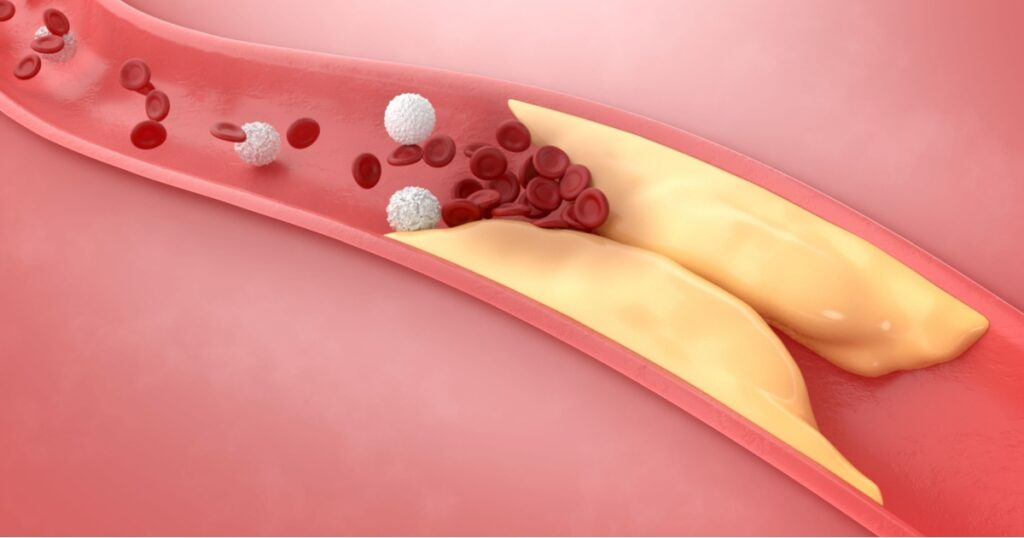
Arteries are the blood vessels that carry oxygenated blood throughout your body. They carry this blood to your brain, to all the major and minor organs of your body, to your muscles, and even all the way down to the tips of your fingers and toes. In healthy arteries, the blood flows freely through them because they have smooth walls and are free of obstructions. Clogged arteries, however, have built-up plaques on their walls. These plaques reduce blood flow and can even block it altogether, leading to a heart attack. (1)

For illustrative purposes only
Knowing the Signs

Atherosclerosis disease, narrowing of arteries due to plaque buildup on the artery walls. Treatment of blockage of flow in vessels and regulation of blood pressure. Cholesterol and blood clots.

Knowing the early signs of clogged arteries is crucial to resolve the problem before it poses such a significant risk to your health. Thankfully, you can improve clogged arteries with some simple diet and exercise interventions. If they are quite heavily clogged or you have a family history of heart problems, your doctor may also put you on some medications to help keep your arteries in check. If you have any of these ten warning signs of clogged arteries, see your doctor right away to come up with a plan to improve them. (2)

1. Nausea
For illustrative purposes only

Female suffers from nausea and vomiting due to digestive and stomach illness problems and gastrointestinal system diseases or food poisoning. Morning toxicosis in first trimester of pregnancy

Realistically, what condition isn’t nausea a symptom of? One of our body’s most astute ways of telling us something is wrong is by making us nauseous. Of course, just because you’re feeling nauseous doesn’t mean you have clogged arteries. Still, if it is ongoing you should go talk to your doctor about it.

2. Chest Pain

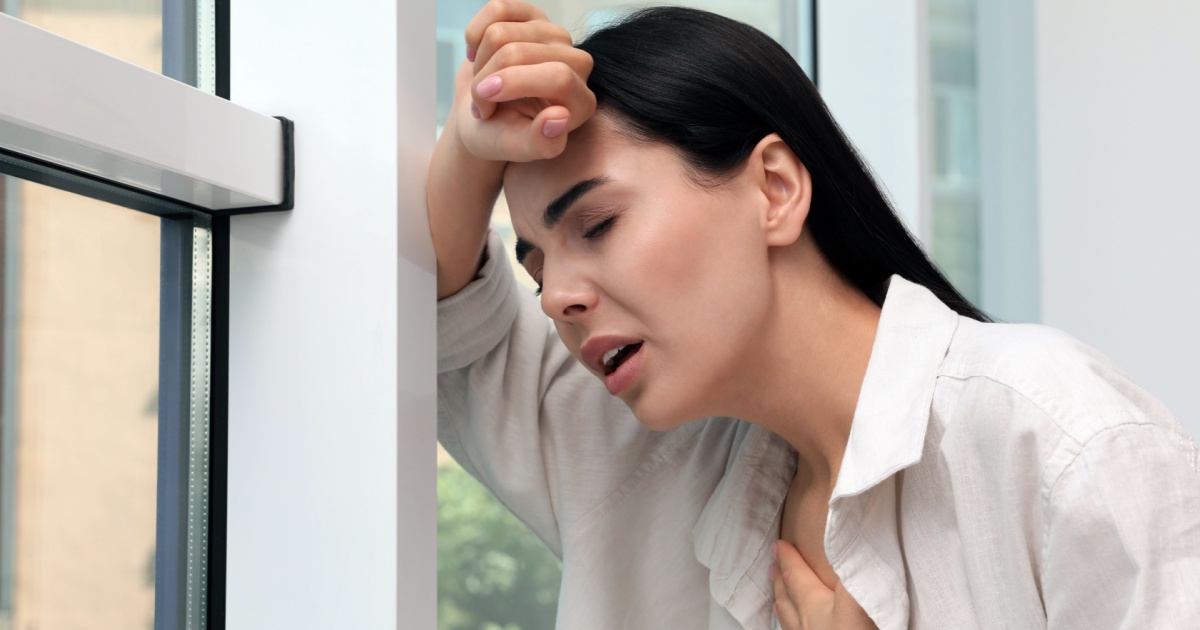
Chest pain is also known as angina. It results from reduced blood flow to the heart because of built-up plaque in the arteries that lead to it. Angina usually begins in the chest by the breast bone and then can extend into your left arm or shoulder, jaw, and upper back. If you are experiencing ongoing chest tightness and pain, speak with your doctor immediately.

3. Shortness of breath
For illustrative purposes only

If you are experiencing shortness of breath, this could be because your pulmonary arteries are clogged. While it is normal to feel short of breath after climbing the stairs or a physical effort, if it is more than usual, ongoing, and especially if it is when you are sedentary, you should have it looked at.

4. Weakness or numbness in one side of your body

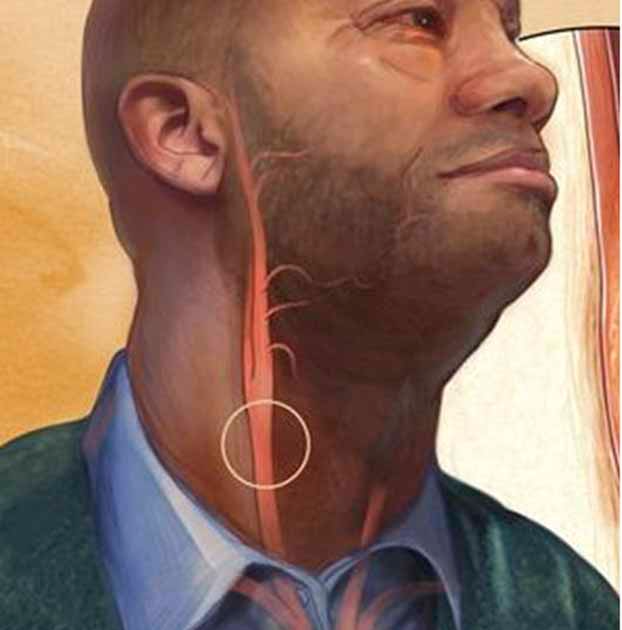
If blood flow is restricted or cut off in your carotid arteries, it could cause you to experience weakness or numbness on one side of your body. The carotid arteries are those that carry blood from the heart to the head and are located on either side of the neck. They both split into two branches, one that carries blood to the brain and eyes and the other that takes it to the face, tongue, and outside parts of the head.

5. Slurring of words

Slurring your words could be a symptom of a number of conditions. One of those is that your carotid arteries are blocked. This could either be the interior branch that carries blood to the brain, or the exterior branch that takes it to the tongue.

6. Vision Loss
For illustrative purposes only

Vision loss is a symptom of a clogged exterior branch of the carotid artery. This could be in one or both eyes. If you are experiencing sudden decreased capacity to see or blurred vision, see your doctor right away.

7. Leg pain

There are a million and one reasons why you could be experiencing leg pain. One of these reasons could be clogged peripheral arteries. These are the arteries in your legs and arms. Pain in one leg with no other explanation such as an injury could mean you have a clogged artery.

8. Cold feet

When blood can’t travel freely through your body, your extremities will get cold. Cold feet could mean that blood flow is blocked or restricted in your legs so that it is not reaching your feet properly. This could be a sign of a blocked peripheral artery.

9. Delayed healing of injuries of the feet

This goes along with the unexplained cold feet. Injuries need blood to heal. If the blood is not flowing there, or not flowing there sufficiently, these injuries will heal slowly or not at all. If you notice that injuries in your feet or lower legs are not healing as they should talk to your doctor.

10. Heart palpitations
For illustrative purposes only

Truthfully, anytime you notice changes in your heart rate, you should see your doctor. When your heart beat suddenly becomes noticeable, heart palpitations could be a sign that blood is not flowing the way it should. This can feel like a heart pounding, fluttering, or beating irregularly. It will usually last for just a few seconds or minutes. It is possible that you will feel these sensations in your neck or throat, as well.

The Bottom Line
For illustrative purposes only

Being aware of the symptoms of clogged arteries, as well as other health conditions, isn’t to make you into a hypochondriac. Rather, it is to protect you. Awareness and being brave enough to seek medical advice when you notice signs and symptoms can save your life or that of someone you love. Take your symptoms seriously and talk to a doctor.

Disclaimer:

This information is not intended to be a substitute for professional medical advice, diagnosis or treatment and is for information only. Always seek the advice of your physician or another qualified health provider with any questions about your medical condition and/or current medication. Do not disregard professional medical advice or delay seeking advice or treatment because of something you have read here.

Sources: theheartysoul.com

  1. “Warning Signs of Clogged Arteries.” Commonwealth Vein Center.
  2. “What are the symptoms of a blocked artery?” Aurora Health Care.
  3. “Clogged Arteries (Arterial Plaque)” WebMD. November 19, 2022.

Homeless Man Asked Me to Take His Dog – A Month Later, I Received a Mysterious Letter

It had been a year since my husband, Jason, passed away in a car accident. A year of struggling to hold myself together, to be strong for my 8-year-old son, Liam.

Some days were harder than others, but every day felt like a battle.

You see, losing Jason shattered my world.

He wasn’t just my husband. He was my partner. My best friend. My everything.

At first, I didn’t think I could go on.

I’d wake up to the emptiness of our bed, hear the silence where his laugh used to echo, and feel the ache in my chest that never seemed to go away.

But every time I felt like giving up, I’d look at Liam. He needed me.

I couldn’t crumble when he was depending on me.

Liam, my sweet boy, had inherited Jason’s kind heart. He’d notice when I was having a hard day and quietly slip his arms around me.

“It’s okay, Mom,” he’d say, his small voice full of reassurance. “I’m here for you.”

His words always brought tears to my eyes, but they also gave me strength.

My little Liam was with me when we were leaving the grocery store that day. He was wearing his oversized coat, chattering about his school project.

His enthusiasm was one of the few things that could still make me smile, even on my darkest days.

As we loaded the bags into the trunk, I noticed a man sitting at the edge of the parking lot.

For illustrative purposes only
He was huddled under a threadbare blanket, his face red from the biting cold. Beside him sat a small, scruffy dog, trembling as it pressed against his side.

“Mom,” Liam said, tugging on my sleeve, “the dog looks so cold. Can we help?”

I glanced at the man, then at Liam. My heart sank. We didn’t have much to give. Money was tight, and I was barely keeping us afloat.

“Sweetheart, we can’t take on another problem right now,” I said gently, closing the trunk.

But as we prepared to leave, the man stood and approached us.

I instinctively froze, holding Liam close.

“Ma’am,” he began, his voice hoarse and hesitant, “I’m sorry to bother you, but… would you take my dog?”

I blinked, unsure if I’d heard him correctly. “What?”

He looked down, his face filled with shame.

“Her name’s Daisy,” he said. “She’s all I have, but I… I can’t take care of her anymore. She’s freezing, and I don’t have enough to feed her. She deserves better than this.”

I didn’t know what to say. The desperation in his eyes was unmistakable.

For illustrative purposes only
My first instinct was to say no. I mean, how could I possibly take on a dog when I was barely holding things together?

But then Liam tugged on my hand, his big, pleading eyes looking up at me.

“Mom, please. She needs us,” he whispered.

I looked at Daisy, her matted fur and trembling body, and my resolve crumbled. I couldn’t say no.

Not with Liam’s hopeful face and the man’s brokenhearted plea.

“All right,” I said softly, crouching down to pet Daisy. “We’ll take her.”

The man’s eyes filled with tears. “Thank you,” he said, his voice breaking. “Thank you so much.”

As we drove home that day, I couldn’t stop glancing at Daisy in the backseat. She was curled up beside Liam.

I didn’t sleep much that first night. Daisy whined softly from her spot in the living room, clearly uneasy in her new surroundings.

Liam had spread out his favorite blanket for her, the one with the cartoon dinosaurs he refused to sleep without.

“It’s okay, Daisy,” he said, patting her head with his little hands. “You’re safe now, okay? We love you.”

Watching them together filled me with an unexpected warmth.

And for some reason, the heaviness in my chest felt a little lighter. I guess I hadn’t felt this content ever since Jason passed away.

Over the next few weeks, Daisy became part of our little family.

Liam doted on her, feeding her, brushing her tangled fur, and even reading her bedtime stories.

“She likes ‘Goodnight Moon’ best,” he announced one evening with complete seriousness.

I couldn’t help but laugh. “Is that so?”

“She wagged her tail when I read it,” he insisted, as Daisy rested her head on his lap, her eyes half-closed.

Daisy brought something into our home that we hadn’t realized we were missing. Joy.

Liam’s giggles echoed through the house when she chased after a ball or licked his face with abandon.

Even I found myself smiling more, feeling a small sense of purpose in caring for her. It wasn’t just Daisy who needed us. We needed her too.

Then, a month later, something unexpected happened.

It was a cold evening.

Liam was doing his homework at the kitchen table while Daisy snoozed by his feet. I was sorting through mail when I noticed an envelope tucked among the bills and grocery store coupons.

It was plain, with no stamp or return address.

It just had the words, From your old friend written in shaky handwriting.

Curious, I opened it and pulled out a folded piece of paper. As I read the letter inside, my heart clenched.

Dear Daisy,

I hope you’re warm and happy. I miss you so much, but I know I made the right choice. You deserve a home, food, and people who love you the way I do. I think about you every day but knowing you’re safe helps me keep going.

I’m sorry I couldn’t be the person you needed. Thank you for being my friend when I had no one. I’ll never forget you.

Love,

Your old pal.

I didn’t realize I was crying until Liam’s voice broke through my thoughts.

“Mom? What’s wrong?” he asked, his small face full of concern.

I showed him the letter, and his expression turned serious as he read it. When he looked back at me, his jaw was set in determination.

“Mom, we have to find him,” he said. “He shouldn’t be alone.”

This is what I meant when I said my son inherited his father’s kind heart. Jason was the same. He could never let anyone suffer.

“You’re right,” I told my son. “We’ll find him.”

The next morning, we packed a bag with food, a thick blanket, and some warm clothes. Liam insisted we bring Daisy along.

“She’ll help us find him,” he said confidently, scratching behind her ears. “She misses him too.”

We started at the parking lot where we’d first met him, but there was no sign of the man. The icy wind bit at our faces as we searched, asking people nearby if they’d seen him.

Most shook their heads, but a kind woman at a nearby coffee shop told us she’d seen someone matching his description at a soup kitchen downtown.

For illustrative purposes only
Liam’s face lit up.

“Let’s go, Mom!” he said, tugging at my sleeve.

We immediately drove to the soup kitchen.

As we pulled up, Daisy suddenly perked up in the backseat, her tail thumping against the seat.

“I think she smells him!” Liam exclaimed.

Sure enough, there he was, sitting outside the soup kitchen, huddled under a tattered blanket.

He looked thinner, his cheeks hollow, but there was no mistaking him.

Before I could say a word, Daisy bolted from the car, her leash slipping from Liam’s hands.

“Daisy!” Liam shouted, but she was already halfway to him, her little body shaking with excitement.

The man looked up just in time to catch her as she leaped into his arms.

“Daisy girl,” he whispered.

He buried his face in her fur, holding her as though she were the most precious thing in the world. Tears streamed down his face, and I felt my own eyes well up.

For illustrative purposes only
I walked over, Liam close behind me.

“Hi,” I said softly. “I’m Emma. We’ve been taking care of Daisy.”

He looked up, his eyes full of gratitude.

“Thank you,” he said. “I missed her so much, but I knew I couldn’t give her what she needed. Seeing her like this… it means everything to me. I don’t know when I’ll be able to see her again.”

“You don’t have to say goodbye forever,” Liam told the man. “We can bring her to see you. Right, Mom?”

I nodded, smiling through my tears. “Of course. We’d love to.”

From that day on, we visited him every two weeks.

We’d bring Daisy, along with food and supplies. The man never asked for anything except some time with Daisy. He wanted to hold her, play with her, and feel a sense of connection again.

Slowly, we got to know him better.

His name was Edward, and he had been through more hardship than I could imagine, yet his love for Daisy had never wavered.

Months later, another letter arrived. But this one had an address.

Dear Emma,

Your kindness gave me hope when I had none. I’m writing to tell you that I’ve started over. I found a job, and I’m staying in a small condo now. I’ll never forget what you and Liam did for me. Thank you for believing in me.

Your friend,

Edward.

Soon, Edward became part of our family.

I’m grateful that fate sent Daisy our way because it taught Liam the power of kindness. It also proved that even the smallest acts of love can change lives.

Sometimes, I think about how close I was to saying no that day. And how saying yes changed everything.

So, before you say no to kindness, pause and think.

The world thrives on kindness, and it needs those who step up without hesitation. Those who open their hearts even when it’s hard.

It needs people like you to make it brighter, warmer, and better for everyone.

This work is inspired by real events and people, but it has been fictionalized for creative purposes. Names, characters, and details have been changed to protect privacy and enhance the narrative. Any resemblance to actual persons, living or dead, or actual events is purely coincidental and not intended by the author.

Source: thecelebritist.com