My parents wouldn’t let me forget that I was unmarried and thirty-four years old. They matched me with every decent-looking person they knew to get me married and beginning a family. Still, that was only one aspect of it. They finally informed me that unless I married by the time I turned thirty-five, I would not get any of their money. I was going to lose it since they just had few months left to reach their target.
For illustrative purposes only
Following a fresh argument with my folks, one day I went for a walk to cool off. I was so furious that I paid little thought to my destination until I came upon a woman seated on the pavement. Her hair and clothing were disorganized, and a wooden sign over her shoulder said “Need help.” But her stare caught me and made me stop and pay attention; it was sweet, compassionate, and curiously soothing. I had an idea at that same moment that nearly seemed like a need. I approached her and formulated a proposal without giving it enough thought.
For illustrative purposes only
If she married me, I promised her food, a safe place to live, and some basic luxuries as well as peace from my parents would stop harassing me. Apart from posing as my wife, she wouldn’t have to do anything while she lived with me. I was stunned when she answered yes. Jessica, a female, accomplished it.
After getting her hair cut and ready, I accompanied Jessica shopping. She changed a lot in few days, and I informed her parents she was my fiancée. They were practically delighted, really joyful. They felt that the future they had in mind for me was at last materializing. We were formally married following a little service.
We then developed a routine. I didn’t really notice Jessica hanging about at home in the days. We had both agreed that this arrangement was purely for pragmatic purposes, thus all I wanted to do was keep appearances for the benefit of my folks.
I returned home one month following the wedding and had the most shocking experience of my life.
For illustrative purposes only
That night as I came in the door, I assumed Jessica would be doing nothing. Still, what I saw stunned me. The house looked better than I had ever seen it. The air smelt like freshly made food, the furniture was dust-free, and the flooring were spotless. There was floral arrangement even in the midst of the supper table.
When I entered the living room Jessica was there. She was grinning and laying down a meal tray. “I thought you might be hungry, so I made your favourite,” she said. Her voice was harsh and worn when I first met her, but now it was gentle and polite.
Stammered, I stood there. One month prior, I had come upon a destitute and homeless woman. This was not hers. Her manner and appearance had altered as well. I had no idea what to say; she looked to be radiating love and kindness.
Jessica told us the truth about her background as we ate. “I’ve had a hard life,” she remarked first, her voice calm but firm. “I knew I deserved better even though I made a lot of bad decisions that landed me on the streets.” Everybody I asked would simply trust in me and see me for exactly who I am.
Her words struck me like several tons of stones. I never regarded Jessica as a person with ambitions, dreams, or emotions since I was enraged with my parents. Rather, I argued using her as a pawn to drive my point. But as she spoke, I started to really see how poor I had assessed her. She was attempting to make our house cozy and inviting, not only acting as a decent wife.
Then Jessica pulled a little cotton-wrapped present from her bag, right as I assumed everything were safe. She handed it to me silently, and when I opened it I found a journal—a battered notebook filled of her thoughts, dreams, and reflections. Turning the leaves taught me about her struggles, her will, and her unflinching hope for a better future.
Reading what she penned made me cry. She never gave up on herself in front of all that had transpired. I came to see I had been passing over her beauty, strength, and friendliness. And here I was, a man believing he was being courteous by proposing a hasty marriage. By then Jessica was more than simply someone I had married out of wrath. She had unknowingly brought love and brightness into my life. This was really amazing.
Her comment, “I never needed to be saved,” then made me rethink entirely. I wanted someone to look after me only. Her comments really affected me and made me doubt what I knew about this marriage and me. I married Jessica since I needed to feel loved and supported; my parents pushed me to do so. Having said that, I came across someone truly sympathetic attempting to make a point.
For illustrative purposes only
I never imagined I would, but the next day I plucked the bravery to tell my parents the truth. I made it plain that their marriage had evolved into something far more than a pragmatic means of ensuring their happiness. Jessica improved my life; I would not let her go since she was more than simply a means of subsistence.
After that day, Jessica seemed to me more than just the lady I had married for pragmatic considerations. She was a friend, a colleague, and someone who had imparted to me lessons on kindness and tenacity. Our marriage was no more a means of transportation to another place. At last, my parents realized that love isn’t always a formula or a calendar.
Jessica and I built a life together marked by respect, empathy, and a great regard of one another’s experiences. Not just the woman I had married to make a point, but she was finally the one who imparted the true meaning of acceptance and love.
This work is inspired by real events and people, but it has been fictionalized for creative purposes. Names, characters, and details have been changed to protect privacy and enhance the narrative. Any resemblance to actual persons, living or dead, or actual events is purely coincidental and not intended by the author.
Jack checked on his dog Ralph who kept barking on the street, only to discover an abandoned baby with him. The baby turns out to be a very special girl who would change Jack’s life forever.
Despite being a wealthy man, Jack was known as one of the kindest and most generous people in town. He could have had it all until three months ago when he discovered his wife had been cheating on him with his best friend.
Jack divorced his wife, and she moved to a different state with his now ex-best friend. He didn’t let the incident harden his heart, and he remained kind towards everyone around him. However, everybody knew that he was quite a lonely man no matter how kind and friendly he was.
For illustrative purposes only
To ease his loneliness, Jack got himself a dog and named it Ralph. “At least you won’t betray me, right Ralph?” he said once he got him, smiling through the pain.
As he was a busy man, Jack had Ralph trained to behave. He would allow Ralph the freedom to run in their backyard in the afternoons, and once he grew tired, the adorable dog would find its way back inside the house.
One day, he let Ralph outside. He was watching a movie on TV when he realized Ralph had not returned home yet. He stepped out and heard the dog barking from afar.
Jack ran over the fence to get closer. Once he reached the road, he saw Ralph next to a baby lying on the grass.
“You poor child,” he said, saddened that someone would leave a helpless baby out on the street. He checked around the area for a bag that might have belonged to the child, but there wasn’t any. A tiny baby was crying, lying in a basket, while my dog sadly nudged her with his nose, as if out of sympathy. Inside the basket, I found a note. I read it with a heavy sigh.
“Don’t look for her parents. This child is yours now. Take care of her.”
Before taking her home, he went to the nearby convenience store and purchased baby milk and diapers so that he could properly care for the child. When they got home, he fed her and changed her diapers. Then he called the police and reported the incident.
“This poor baby was left alone on the street with nothing but her clothes. There were no other adults in the area, so I took her in,” Jack explained.
The police said that they would check CCTV footage in the area to find her parents. However, they were to search for foster parents for the baby for now.
After hearing this, Jack didn’t hesitate. “Can I become her guardian?” he asked. “I run my businesses from home, so I wouldn’t have any problems taking care of her.”
The police got a couple more details and proof of identification from Jack, and they allowed the little girl to live with him. Jack took care of her for months, and when it was determined that her parents could not be identified, she was up for adoption.
As soon as he could, Jack processed the papers needed to adopt the little girl, whom he named Emily, legally.
He raised Emily as his own daughter, even naming her after his mother who also raised him on her own. He loved Emily dearly and provided her with everything she needed and more.
For illustrative purposes only
Likewise, Jack was Emily’s hero. She looked up to her dad and always wanted to be around him. Together, they enjoyed every meal together and would go to the park, their favorite ice cream parlors, and the arcade where they spent time a lot of time together.
When Emily turned seven and started going to school, many of the parents and even teachers would note how Jack and Emily looked alike. Even Jack’s friends would say that they “looked like twins.”
Jack never thought of Emily as his adopted daughter, so he took these as compliments and would simply smile every time someone spoke about their resemblance.
One day, while Emily was playing with Ralph in their backyard, she fell and scratched her head on the pavement. As Jack began to treat the wound with an antiseptic, he noticed an incredible thing.
“Would you look at that, sweetheart? We have the same birthmark!” he said, surprised. He never noticed Emily’s birthmark before because her hair covered it.
“We were always meant to be together, dad,” she said, wiping her tears away and smiling at her dad.
Curious about how this could happen, Jack decided to do a DNA test. He took a sample of Emily’s hair and sent it alongside his own. He didn’t think much of it, but he was stunned when the results came about three weeks later.
The test showed a 99.9% match that Emily was his daughter. He had always been a loyal man, so it only meant one thing – his ex-wife had been pregnant with his child.
He decided to give her a call, and she answered. “What do you want, Jack?”
“Why didn’t you tell me we had a daughter?” he asked her as soon as she answered.
“I didn’t want to raise your child, nor did I want to see you ever again, so I left her on the road. I knew you’d find her anyway. Bye now, and please don’t ever call me again,” she said before putting down the phone.
Jack couldn’t believe it and was in tears. While knowing that Emily was actually his biological daughter did not affect his love for her, he was glad to know that he was able to care for his own daughter.
“What’s wrong, dad?” Emily asked after she saw her dad crying.
“Nothing’s wrong, sweetheart. I’m just really happy,” he explained. “Remember what dad told you? That you were sent to me from heaven even though I was not your real dad?” he asked her.
Emily nodded. “You are my real dad, dad. Don’t forget that,” she corrected him.
“Yes, sweetheart. I am your real dad. These DNA results prove that” he said, handing her the paper.
“I told you, dad. We were always meant to be together,” Emily said, hugging him.
A few years later, Jack found love again. Having been present in all of Emily’s school activities, he eventually fell in love with one of her teachers.
Two years after they got married, Emily gained a baby sister. Emily took on being a big sister with a lot of pride and joy.
Since then, Jack, Emily, and the rest of their family have lived peacefully and happily. They valued their time together as a family more than anything. This prompted Jack to retire early to spend more time with his children.
What can we learn from this story?
Experiencing hardships should not harden our hearts. No matter how painful it was for Jack to lose his wife and his best friend after they betrayed him, he didn’t allow it to embitter him. Instead, he picked himself back up and found ways to cope while remaining kind, generous, and truthful.
It’s never too late to start again. Jack never imagined ever having a family after what happened to him, but Emily entered his life and taught him what true love means. Through his healthy relationship with his daughter, he was hopeful that he’d be able to find love again, and he eventually did.
Share this story with your loved ones. It might inspire them and make their day.
This work is inspired by real events and people, but it has been fictionalized for creative purposes. Names, characters, and details have been changed to protect privacy and enhance the narrative. Any resemblance to actual persons, living or dead, or actual events is purely coincidental and not intended by the author.
We’re stuck at the crossing again,» sighed Klavdiya Petrovna, adjusting her woolen scarf. «What do you think, Anya, maybe we’ll get lucky and find a gold bar on the tracks?»
«As if,» I smirked. «You’d be lucky to find a frozen crow here.»
The November wind cut to the bone. I was returning from the evening shift at the station, where I’d been a cashier for years. The sky hung so low, it seemed it might fall on our heads at any moment. The streetlights along the railway lit every other one, turning my way home into a strange dance of light and shadow.
After Nikolai’s death—three years had passed, but it still hurt to remember—I often stayed late at work. At home, only silence and a radio in the kitchen greeted me. Sometimes I wrote letters to my friend Tamara in Novosibirsk, but she rarely replied—she had three kids, no time for letters.
That evening, I decided to take a shortcut through the spare tracks. My legs were buzzing from fatigue when I heard a sound. At first, I thought it was my imagination. But the sound repeated—a soft cry, like that of a kitten.
«Kitty-kitty,» I called out, peering into the darkness between the sleepers.
The sound grew clearer. It was definitely crying, a child’s cry.
My heart skipped a beat. I hurried toward the sound, stumbling over rocks and frozen earth. Behind a pile of old sleepers, curled up into a ball, was a little girl. In the dim light of the lantern, I made out her dirty, tear-streaked face with huge frightened eyes.
«My God,» I breathed, kneeling down. «How did you end up here?»
The girl—a five-year-old—only curled up tighter and fell silent.
«You’re frozen,» I touched her cheek. Cold as ice. «Come with me, we’ll have some tea with raspberry jam at home.»
She didn’t resist when I picked her up. She was as light as a feather.
«My name is Anna Vasilyevna,» I told her as I carried her home. «I live nearby. I have a cat, Vasily. He’s naughty—always trying to pee in the slippers when I forget to feed him on time.»
The girl remained silent, but I felt her gradually relax, pressing against my shoulder.
For illustrative purposes only
At home, the first thing I did was stoke the stove. While the water heated, I fed the girl hot soup. She ate eagerly yet neatly, glancing at me from under her brows.
«Don’t be afraid,» I smiled. «No one will hurt you.»
After a bath, dressed in my old nightgown (I had to roll up the sleeves ten times), she finally spoke:
«Will you really not throw me out?»
«Really,» I answered, combing her tangled hair. «Will you tell me your name?»
«Lena,» she whispered. «Lenochka.»
The next day, the police could only spread their hands. No reports of a missing child had been filed. The young officer sighed sympathetically:
«We’ll have to put her in an orphanage. You understand, it’s the procedure…»
«No,» I said firmly. «We won’t.»
«Anna Vasilyevna,» he hesitated, «but you live alone…»
«And what? I’ll manage. I’m not that young anymore.»
That same evening, Lenochka, sitting in the kitchen with a cup of milk, suddenly asked:
«Why didn’t you have children?»
I nearly dropped the ladle:
«Who said I didn’t?»
«There are no pictures,» she shrugged.
«Smart girl,» I chuckled. «Maybe it just wasn’t meant to be. But now I have you.»
She smiled—for the first time in those days—and I knew: I’d never give her up. Come what may.
«Mom, why do you have such a strange dress in this photo?» Lenochka held an old picture where I was in my best crepe de Chine.
«It’s not strange, it was fashionable. I stood in line for a year to buy that fabric.»
The guardianship proceedings dragged on for three months. Endless paperwork, endless offices, skeptical looks from officials. «Do you understand the responsibility? What if her parents show up? How will you support her?»
I just shrugged: «We’ll manage somehow.» And at night, I counted pennies, figured out how to stretch my salary for two. I turned old curtains into a dress for Lenochka, tailored a jacket out of my coat for her.
Neighbors whispered behind my back: «Why does she need this? She has no children of her own, so she took someone else’s. What if the child has bad genes?»
Especially persistent was Nina Stepanovna from the first floor. Every time she saw us by the entrance, she dramatically sighed and rolled her eyes: «Oh, Anna, you’re going to have trouble with her…»
Lenochka once couldn’t take it:
«And you, Aunt Nina, are just jealous. Your own son is grown up, and he doesn’t even visit you.»
I barely held back laughter, looking at the neighbor’s stunned face. At home, of course, I scolded her for her cheekiness, but deep down, I was proud—she was getting a character.
Gradually, life got on track. Lenochka went to first grade, and I took a job as a janitor at her school—to be closer to her. Teachers couldn’t praise her enough: capable, catches on the fly.
In the evenings, we often sat at the old dining table—I checked her notebooks, she did her homework. Sometimes she would suddenly look up from her textbook:
«Mom, is it true that they used to write all the letters differently?»
«Who told you that?»
«Some boy in class. Says his grandmother still wrote with yat letters.»
«And what did you answer?»
«Told him that now it’s not about yat letters, but about writing without mistakes.»
On rare weekends, we had celebrations. We baked pies, made jam, and in winter, we made dumplings. Lenochka loved that process, though she got more flour on herself than shaped dumplings. The dumplings were almost meatless, but at least there were some.
«Mom, look, this dumpling looks like our school director!» she laughed, showing a lopsided lump.
«Give me that director, or he might end up in the soup, and that would be awkward.»
There were, of course, difficulties. In the sixth grade, Lenochka got involved with a group of older students. Started skipping lessons, being rude. I couldn’t sleep at night, always thinking—where did I go wrong, what did I miss?
The culmination was her running away from home. A note on the table: «Don’t look for me, I’m not your real daughter anyway.» I rushed to the station—I felt in my heart she was there. And sure enough: there she sat on that very bench where we first met. Frozen, crying.
«Well, where were you planning to go?» I asked, sitting next to her.
«I don’t know…» she sniffled. «Just… everyone says you’re not my real mother.»
«And what’s a ‘real’ mother? The one who left you in the cold?»
«Sorry…» she buried her face in my shoulder. «I won’t do it again.»
At home, over tea with raspberry jam (the same as on our first evening), she suddenly asked:
«Do you ever regret taking me in?»
«Do you ever regret staying with me?»
We looked at each other and laughed.
Time flew unnoticed. Lenochka grew up, changed. From an awkward teenager, she turned into a beautiful girl. After school, she decided to go to medical school—said she wanted to help people. I was only glad: it meant all those years I taught her kindness weren’t in vain.
I remember how she came home after graduation—happy, with a medal on her chest. She sat next to me on the couch:
«Mom, I’ve been thinking… They say there are no accidents. Maybe it was fate—that you walked down that road then?»
«Maybe it was fate,» I smiled. «But I’ll tell you this: fate is fate, but the choice is always ours.»
That evening, she first told me about her past. About her alcoholic mother, the beatings, how her mom brought another suitor home and that man… Lenochka didn’t finish, but I understood everything. That day, she ran away from home and never returned.
«I was afraid for a long time that you would turn out the same,» she confessed. «But then I realized: real love—it’s not about blood, but about the heart.»
When it was time for her to go to the institute, we both cried. I packed everything I could for her: an old suitcase, some money, a jar of jam…
«Mom, stop fussing over me, I’m not little anymore!»
«For me, you’ll always be little.»
Then there were letters, rare phone calls from the public phone, short visits during holidays. Lenochka did excellently, worked as a nurse in a hospital. I was proud of her and often caught myself thinking: how good it was that, back in ’75, I didn’t pass by.
I’m embarrassed to admit, but there was a moment when I almost gave up. In the first year, when the money ran out completely, and the salary wasn’t even enough for food. I was about to go to the guardianship authorities… And then the upstairs neighbor, Maria Ivanovna, brought a whole bag of children’s clothes—her granddaughter had outgrown them.
«Hang in there, Anyuta,» she said then. «God didn’t send you the girl for nothing.»
And I held on. Learned to darn, sew, make incredible recipes from the bare minimum. Lenochka never complained, even when she had to wear reshaped clothes or eat potato soup three days in a row.
I remember sitting with Lenochka in the kitchen after her first practice at the hospital. Tired but satisfied, she warmed her hands on a cup of tea:
«Mom, I’ve been thinking… Everyone complains about a Soviet childhood—that there was nothing, that they couldn’t get anything. But I only remember how we made dumplings while listening to ‘Theatre by the Microphone,’ how you braided my hair and told me stories. Even the old dress from your skirt was my favorite—you even added lace to the hem…»
At the medical school graduation, our entire station family gathered. Klavdiya Petrovna dressed in her best suit, which she saved for special occasions, Zina the cashier brought a huge bouquet of peonies from her garden. Even Nina Stepanovna hobbled over—she was already walking with difficulty by then.
When Lenochka went up on stage for her diploma, I caught a glimpse of our acquaintances discreetly wiping their eyes with handkerchiefs. I remember how they used to gossip back then…
«Anya,» Nina Stepanovna touched my elbow, «forgive me, old fool. Remember how I always nagged you—why, for what? And look what a daughter you’ve raised—a doctor! You didn’t suffer with her as I prophesied, but found your happiness.»
I watched as my girl, now Dr. Elena Anatolyevna, accepted congratulations from the professors and thought: every wrinkle on my face, every sleepless night by her bed, every darn on an old coat—it was all worth it. Lord, how worth it it was…
And Lenochka… she grew up to be a real doctor. «Gifted by God,» her colleagues said. But for me, she always remained that little girl from the railway, who one day changed my entire life.
And then she gave me a house! Many years later. Let her tell it herself.
I had planned this surprise for my mom for a long time. Saved up, worked two jobs, took night shifts, invested money wisely… I chose the house carefully—a single-story, so mom wouldn’t have to climb stairs, with a large garden where she could grow her favorite peonies.
When I came to pick her up that March day, she was bustling in the kitchen, baking her signature pies:
«Lenochka, why didn’t you warn me! I would’ve cleaned up…»
«Mom, drop that cleaning. Let’s go, there’s something to do.»
«What kind of business?» she wiped her hands on her apron. «My dough is rising…»
«The dough can wait.»
All the way, she tried to find out where we were going. I dodged the question, though my heart pounded with excitement. When we turned onto a country road, mom grew suspicious:
«Len, you’re not taking me to some hospital, are you? I’m healthy!»
«Better,» I winked.
At the gates of the new house, she stopped. Spacious veranda, bright windows, apple trees in the garden…
«People live nicely,» she sighed.
«Now you’ll live here.»
At first, she didn’t believe it. Then she cried. Walked through the rooms, touched the walls, as if checking—it wasn’t a dream.
«Darling, how… This must’ve cost a fortune…»
«And you think I’ve been slaving away in a private clinic for so many years? So that you could freeze in your old age in that Khrushchevka?»
We spent another week in the old apartment, packing things. Every trinket held memories. Here’s the worn-out tablecloth where I learned to write letters. Here’s a cup with a chipped handle—I broke it on the first day when my hands were shaking from fear. Mom didn’t scold me then, just glued it and said, «Now it’s special.»
Neighbors helped with the move. Even Nina Stepanovna brought over her famous «Napoleon»:
«Don’t forget to visit us, Vasilyevna. Who will tell me the news now?»
At the new place, mom thrived. Started a vegetable garden, grew flowers. In the mornings, she sat in the gazebo, drank tea, and watched the sunrise. She said she had never slept so well—quiet, birds singing.
Only sometimes I noticed how she secretly wiped tears, looking at old photos. Especially at that one where we were by the Christmas tree—I was six, in a dress made from a reshaped curtain, so happy.
«You know,» she said one evening as we sat on the veranda, «I almost walked past then. It was dark, scary… And then I thought—what if someone needs help there?»
«And how did it turn out, huh?» I took her hand. «You saved me, and now I’m saving you.»
«Silly,» she patted my head like when I was a child. «You’ve already saved me long ago. From loneliness, from emptiness… After my husband died, I was completely lost. But then you appeared—and meaning returned.»
Recently, I took a leave from work, moved my office to an extension of mom’s house. I’ll see patients here—half the city comes to me anyway. And the main thing—I’ll be able to be with her.
In the evenings, we still drink tea with raspberry jam. Only now, not in a cramped kitchen, but on a spacious veranda. Mom started a new tradition—baking pies for a nearby orphanage.
«Maybe,» she says, «someone’s fate is waiting there too?»
And I look at her and think: what a joy it is—to be able to thank the person who gave you life. Not the first, biological one, but the real one—full of love, care, and warmth.
And let them say that miracles don’t happen. I know: the main miracle happened on that cold November evening in 1975, when a lonely woman didn’t walk past a frozen child on the railway. Everything else is just gratitude for that miracle.
Now, every evening, I go into mom’s room, adjust the blanket, and kiss her cheek—just like she did when I was little. And each time she whispers:
«Thank you, my girl.»
«Thank you, mom. For everything.
This work is inspired by real events and people, but it has been fictionalized for creative purposes. Names, characters, and details have been changed to protect privacy and enhance the narrative. Any resemblance to actual persons, living or dead, or actual events is purely coincidental and not intended by the author.
After losing his wife and son, 91-year-old Burt had given up on miracles. But everything changed when a puppy abandoned in a cardboard box crossed his path. Two years later, when that same dog disappeared, Burt’s journey to find him uncovered a miracle far greater than he could have imagined.
The autumn wind rustled through the leaves as Burt shuffled along the familiar path to the church, his weathered cane tapping against the sidewalk. At 91, every step was deliberate, and every breath a reminder of the long life he’d lived… mostly alone.
The morning fog hung low, wrapping the street in a pearl-gray blanket when a sound caught his attention. A squeaky whimper, barely audible, drifted from a rain-soaked cardboard box by the roadside
Burt’s arthritic knees protested as he bent down to investigate. Inside, a tiny black and white puppy shivered, its eyes large and pleading. A crumpled note was taped to the box: “Take care of him!”
For illustrative purposes only
The old man’s heart, hardened by decades of solitude after losing his wife Martha and their son James in that terrible car crash, softened at the sight of the helpless creature.
“Well,” he whispered, “I suppose the Lord works in mysterious ways.”
Burt gathered the puppy in his trembling hands, tucked it inside his coat, and returned home. The church could wait… this little soul needed him more.
He named the puppy Sebastian. It was the name Martha had always said they’d give to their second child before fate had other plans.
Something about the little fellow’s gentle eyes reminded him of Martha’s kindness, and the name just felt right. “I hope you like me, little one!” Burt said as the pup wagged his little tail.
From that first day, Sebastian filled Burt’s silent house with unexpected joy and hearty barks.
Sebastian grew into a handsome dog with a distinctive white patch shaped like a star on his chest. He had a habit of bringing Burt his slippers every morning and sitting beside him during afternoon tea as if he knew exactly what the old man needed.
For two years, they were inseparable. Sebastian became Burt’s reason to wake up, venture outside, and smile again. The dog would wait by the window when Burt went to get groceries, his tail wagging so hard his whole body shook when the old man returned.
Their evening walks became a neighborhood fixture — the stooped figure and his faithful companion, moving slowly but contentedly along the twilight streets.
Then came that terrible Thursday in October.
Sebastian had been acting restless all morning, his ears perking up at something only he could hear. The neighborhood strays were particularly vocal that day, their barks echoing from the direction of the old park by the high school.
For illustrative purposes only
A female dog in heat, Burt would later learn, had drawn many of the local dogs to that area. Sebastian kept rushing to the window, whining softly, his tail twitching as he paced by the door.
Burt wasn’t too worried at first. Sebastian had always been well-behaved, never one to wander.
“Settle down, boy,” Burt had said fondly, reaching for the leash. “We’ll go for our walk after lunch.”
But Sebastian’s agitation only grew. When Burt let him out into their fenced yard as usual, the dog immediately ran to the far corner, standing alert and listening to the distant barking. Burt went inside to fix their lunch, and when he called Sebastian 15 minutes later, there was no response.
The gate was ajar. Burt found a mail in the mailbox. But Sebastian was nowhere to be found. Had the postman left the gate open? Panic seized Burt’s chest as he searched the yard, calling Sebastian’s name with increasing desperation.
Hours stretched into days. Burt barely ate or slept, spending endless hours on his porch, clutching Sebastian’s worn leather collar. The nights were the worst. The silence that had once been his constant companion now felt like a gaping wound in his soul, raw and bleeding with every tick of the grandfather clock.
Every creak of the floorboards made him look up, hoping to see Sebastian trotting in with that apologetic look dogs get when they know they’ve worried their humans.
When his neighbor Tom rushed over with news of a dead dog on the highway, Burt felt the ground disappear beneath his feet, his heart shattering into a thousand tiny pieces.
The relief at discovering it wasn’t Sebastian was immediately followed by guilt. He couldn’t leave another creature unmourned, so he buried the unknown dog, saying a prayer for its family wherever they were.
The missing posters he put up around town told their own story of love and loss:
“MISSING: SEBASTIAN. Beloved family member. Black & white dog with star-shaped patch on chest. Reward: A home-cooked meal & endless gratitude. Contact: Burt, Door No. A31, Maple Avenue, Oak Street.”
For illustrative purposes only
Some people smiled sympathetically at the modest offer, but Burt’s famous pot roast was all he had to give. When nobody contacted him, Burt pushed open the heavy doors of the police station, clutching Sebastian’s favorite chew toy in his trembling hands.
“He’s my only family…” The desk sergeant barely looked up from his computer as Burt explained his situation, his voice quavering with desperation. A few officers lounging nearby exchanged smirks.
“Sir,” the sergeant sighed, “we’ve got three ongoing missing persons cases, two armed robberies, and a hit-and-run to solve. We can’t spare resources to look for a dog that probably just ran away.”
One of the officers chuckled. “Maybe he found himself a girlfriend!” he said, drawing snickers from his colleagues. Burt’s shoulders slumped, each laugh feeling like a knife in his heart. He turned to leave, his cane scraping against the linoleum floor, when a gentle voice called out.
“Sir! Hold on!”
The dismissive laughter at the police station cut deep, but young Officer Charlie’s kind eyes held understanding. Though he couldn’t officially help, he promised to keep an eye out during his patrols and took Burt’s phone number.
“My grandmother,” he said quietly, “she lived alone with her dog. I understand what this dog means to you, sir. I really do.”
For illustrative purposes only
Two weeks after Sebastian’s disappearance, Burt’s hope faded. His joints ached more than usual, perhaps from all the walking he’d done searching for Sebastian or maybe from the weight of grief settling back into his bones.
He sat in his armchair, looking at the empty dog bed in the corner, when his rotary phone rang.
It was Officer Charlie, speaking quickly, excitement in his voice. “Mr. Burt? I’m off duty, but I was hiking in the woods near Old Miller’s property, and I heard barking coming from somewhere below the ground. There’s an abandoned well out there… it’s been partially covered with boards, but there’s a gap. I think… I think you should come out here.”
Burt’s hands shook so badly he could barely grip his cane. His neighbor Tom drove him to the woods, where they found Charlie waiting with ropes and flashlights. The young officer had already called the fire department but couldn’t wait for them to arrive.
“He’s down there, Mr. Burt. I saw the white star-like patch on his chest when I shined my light down.”
Burt burst into tears, his fragile voice trembling as he called out to Sebastian. “My boy… are you alright down there? Can you hear me? Just… just give me a sign. Please.”
“Woof! Woof!” The familiar bark echoed from the well, lifting Burt’s weary spirit and flooding his heart with hope.
The next hour was a flurry of activity. The fire department arrived with proper equipment, and a young firefighter was carefully lowered into the dry, abandoned well.
Word of the rescue spread quickly, and soon, people from across town gathered at the scene. The crowd held their breath as they heard movement below, and then a familiar bark echoed from the darkness.
Burt fell to his knees, tears streaming down his face.
When they finally pulled Sebastian up, he was thin and muddy but very much alive. He’d likely been surviving on rainwater at the bottom of the well. The moment they set him down, he bolted straight to Burt, nearly knocking the old man over with the force of his love.
Sebastian’s tail wagged so hard it seemed to blur, and he covered Burt’s face with frantic kisses, whimpering as if trying to tell his story all at once.
“My boy,” Burt sobbed, burying his face in Sebastian’s dirty fur. “My precious, precious boy. I missed you. You scared me.” The gathered crowd wiped away tears, watching the reunion unfold.
An elderly woman stepped forward from the crowd, dabbing at her eyes with a handkerchief.
“I’ve been watching Mr. Burt walk past my house every day for the past two weeks,” she said to no one in particular, her voice quivering. “Every evening, calling that dog’s name until his voice gave out. I’ve never seen such devotion. Such love. Such compassion.”
“Sebastian,” Burt whispered, still holding his dog close. “I thought I’d lost you forever, just like I lost them.” His voice broke on the last word, and Officer Charlie knelt beside them, placing a gentle hand on Burt’s shoulder.
“Sir,” Charlie said softly, “let’s get you both home. Sebastian needs food and rest, and so do you.”
As Tom helped Burt to his feet, the old man turned to Charlie with tears still streaming down his weathered face. “Young man,” he said, gripping Charlie’s hand, “thank you so much. You have no idea what you’ve just returned to me.”
Charlie’s eyes misted as he replied, “My grandmother… before she passed last year, she told me stories about her dog from when she was young. She’d say, ‘Charlie, sometimes angels have four legs.’ When I saw your missing posters, I kept thinking about her.”
“Angels have four legs,” Burt repeated, looking down at Sebastian, who hadn’t moved more than an inch from his side. “Martha used to say something similar. She’d tell our James that dogs are God’s way of reminding us that love speaks without words.”
One of the firefighters approached, helmet in hand. “Mr. Burt, we should get Sebastian checked out by a vet. Would you like us to call someone?”
“I know a vet who makes house calls,” Tom interjected. “She’s my daughter’s friend. I’ll give her a call right now.”
As they made their way back through the woods, an elderly man from the neighborhood spoke up. “Burt, you mentioned a home-cooked meal as a reward on your posters. Well, I’d say Officer Charlie here has earned it!”
Burt straightened his shoulders, some of his old dignity returning. “Indeed he has. And not just Charlie. All of you… you all came out here to help find my boy.”
For illustrative purposes only
His voice trembled as he looked at the gathered faces. “I’ve lived in this town for 63 years, most of them alone. I thought I was forgotten, just an old man with his dog. But today…” He paused to compose himself.
“Nobody’s forgotten, Mr. Burt,” Charlie said firmly. “Nobody should be forgotten.”
“Then please,” Burt said, addressing the crowd, “all of you come to dinner tomorrow. It might be a tight squeeze in my little cottage, but Martha always said a home expands to fit the love inside it.”
As they reached the edge of the woods, Sebastian stopped and looked up at Burt, his tail wagging slowly. Despite his ordeal, his eyes held the same devotion they’d shown since that first day Burt found him in the cardboard box.
“You know,” Burt said, his voice laced with emotion, “during these past two weeks, I kept thinking about that note in the box. ‘Take care of him,’ it said. But the truth is, he’s been taking care of me all along.”
Charlie smiled, helping Burt navigate a rough patch of ground. “Sometimes, Mr. Burt, that’s exactly how family works.”
The following evening, Burt’s small cottage was filled with more people than it had seen in decades. True to his word, he prepared a feast — his special pot roast, Martha’s recipe for apple pie, and all the fixings. Officer Charlie tried to decline the reward, but Burt insisted.
“A promise is a promise,” he said, his eyes twinkling. “Besides, it’s been too long since this house heard laughter.”
Sebastian moved from person to person, accepting gentle pats and sneaked bits of pot roast, but he always returned to press against Burt’s leg as if reassuring both of them that he was really home. The old man’s hands slightly shook as he served his guests, but his smile was steady and true.
Later that night, after everyone had gone home, Burt sat in his armchair with Sebastian curled up at his feet. The dog had been bathed and checked by a vet, who declared him dehydrated and hungry but otherwise unharmed. A miracle, they called it.
But Burt knew better — it wasn’t just a miracle that had brought Sebastian back to him. It was the kindness of a young police officer who took the time to care, the strength of a community that came together to help, and the resilient spirit of a dog who never gave up trying to come home.
He reached down to scratch behind Sebastian’s ears, and the dog looked up at him with those same trusting eyes that had peered out of a cardboard box two years ago.
“You know,” Burt said softly, “Martha always said that family finds each other, one way or another. Guess she was right, as usual.”
Sebastian’s tail thumped against the floor in agreement, and Burt felt the last traces of loneliness melt away. His house was no longer filled with just silence and memories… it was now home to second chances, to love found and lost and found again, and to the quiet miracle of two hearts beating in perfect sync.
That night, for the first time in two weeks, both man and dog slept peacefully, each knowing the other was exactly where they belonged.
This work is inspired by real events and people, but it has been fictionalized for creative purposes. Names, characters, and details have been changed to protect privacy and enhance the narrative. Any resemblance to actual persons, living or dead, or actual events is purely coincidental and not intended by the author.
Palmistry, or the practice of interpreting the lines and shapes of a person’s hands for the sake of revealing something about their future or their personality, has long been present among people who are eager to take a peak at what happen to them in the days or years to come.
As a practice, palmistry has been part of a number of cultures, including Chinese, Indian, and Western.
Most people see this practice as a way of having fun, but there are also those who take it seriously and trust the predictions the person reading their palm reveals.
According to this practice, there are four major lines on one’s palm, the life line, that represents the person’s general life path, the heart line, related to the person’s emotions and love, the head line, associated with the person’s intellect and mental state, and the fate line, related to the course of one’s life, encompassing career and achievements.
At certain people, these lines meet in the form of the letter ‘M’ and it is believed that these individuals are unique.
People with this sign are considered ambitious, aiming for success, determined, great at managing finances, able to navigate challenges, brave, and resilient. Overall, these people are born to succeed at whatever field they try themselves in.
Beyond these characteristics, the letter ‘M’ on one’s palm is closely linked to intuition and spirituality. Those with this line typically have strong intuition and make decisions guided by their inner voice. They are also more sensitive to the emotions and needs of others. In spiritual context, the M line indicates a tendency towards spiritual practices and a path of personal growth and deeper understanding.
However, when reading one’s palm, other things are taken into consideration too, such as their entire hand and their personal background.
In addition to the letter M, other auspicious signs in palmistry include the fish, triangle, square, and star. Each symbol is thought to bring various forms of luck, such as financial success or protection from adversaries.
It is believed that only 2% of the world population have the sign ‘M’ on one or sometimes both their palms.
Read your palm and tell us if you are among the lucky ones who have this special sign.
Please SHARE this article with your family and friends on Facebook.
Amelia wanted to meet her newborn grandson, but when her son, Mark, wouldn’t pick her up, she decided to walk to his house. It took hours because she was using a walker. But when she got to Mark’s house, he banned her from entering, and something shocking happened.
“I can’t pick you up, Mom. I have to run some errands for Camilla, and other people are coming. We’ll set a time for you to see the baby,” Mark told his mother, Amelia, on the phone. She was supposed to come to see their newborn baby for the first time, and he had to pick her up because his house was far away.
“Are you sure? It’s pretty quick by car,” Amelia almost pleaded. She truly wanted to meet her grandson.
“Some other time, Mom. I have to go. See you later!” he hung up, and Amelia plopped down on her couch with a huge sigh.
“I don’t care what you brought! I don’t want you here right now. You need to go immediately!”
For illustrative purposes only
She was worried about Mark’s attitude lately. It seemed like he had been pulling away from her. If she was being honest, it started happening when he married Camilla.
Camilla came from an extremely wealthy family in Connecticut, while Amelia raised Mark as a single mother with the help of his grandmother. They never had much except tons of love. But now, her son had everything. Camilla’s parents gifted them a huge house after they eloped, and he was living the high life.
Ever since then, Amelia felt left out, as if he was ashamed of his background, although he never said it outright.
“You’re being silly,” she told herself often when she thought about this matter. “Mark is just busy. Now they have a baby and a million things to do. He’ll pick you up some other time.”
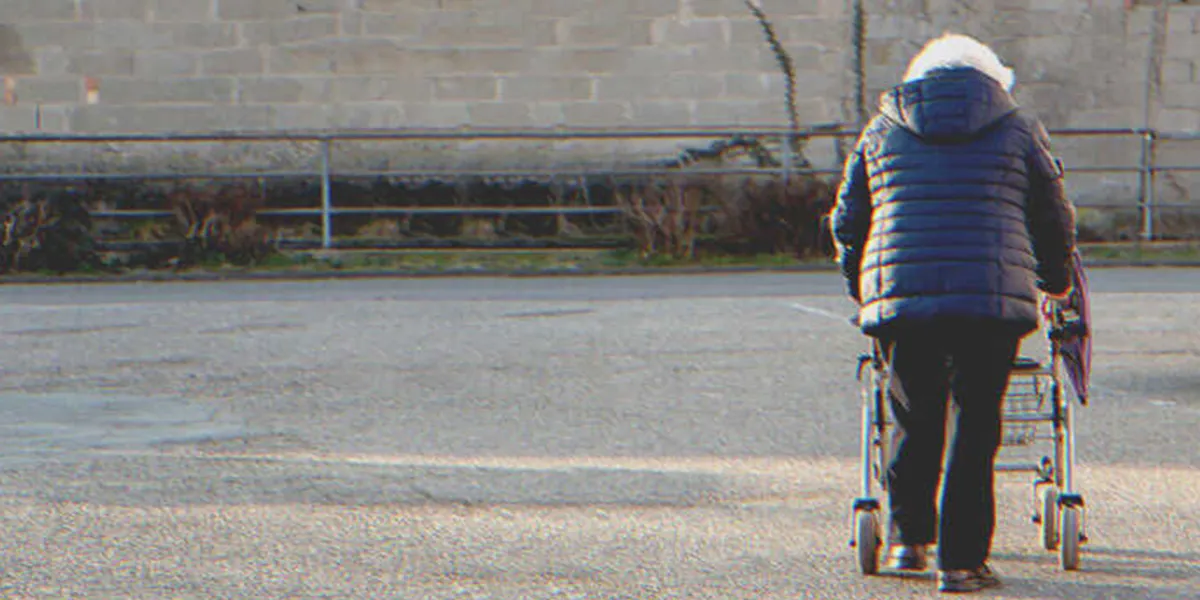
But she had a sudden idea. She could walk to his house. It might be challenging, but she could do it. The bus routes didn’t reach his home, and she couldn’t afford it, so walking was her only option.
For illustrative purposes only
Amelia heaved herself up with her walker and grabbed her purse and a bag she had prepared for that day. She hung them on the walker securely and started her journey. It was slow, and although she could lean on the walker, it was tough on her.
She had to stop several times along the way, and before she knew it, two hours had passed. Three. Four. Finally, she reached his house, heaving heavily but happy that she had done it even with her walking issues.
After ringing the doorbell, she took the special bag as she wanted Mark to open it right away. But when he answered the door, his face fell.
“Mom?” he said, shocked. “What are you doing here?”
Amelia didn’t understand his expression and almost frowned, but she was was excited to be there and that’s what she focused on. “Surprise!” she said, trying to sound enthusiastic although she was tired, hungry, and concerned about his attitude.
Mark stepped out, closing the door behind him and forcing her to take several steps back with her walker. “What are you doing, Mark?” she asked, frowning now.
“Mom! I told you you would meet the baby some other time. You can’t come in right now!” he scolded her, his face crumpled in anger.
“I don’t understand. Why are you angry? I just walked almost five hours to see my grandson, Mark, and I brought—”
“I don’t care what you brought! I don’t want you here right now. You need to go immediately! You’ll meet Hans another day, alright? Please just go now!” he demanded, looking behind him as if worried that someone would see them. He opened the door and returned inside, shutting the door in her face and leaving her standing outside with her things.
Amelia was shocked. Tears gathered in her eyes. He didn’t even ask if she was alright, although she had just told him about walking for five hours to get there. He knew she had problems with mobility.
But she didn’t want to cause any more trouble, so she started to turn around, then she remembered the bag in her hands. She decided to leave it outside his door, hoping he would find it later.
Amelia set out to walk home, prepared for the long, tiring hours that lay ahead. Luckily, her neighbor, Mrs. Cassavetes, saw her and gave her a ride in her old car. When she arrived home, her legs gave out as soon as she closed her front door. She sat down on the couch, and that’s when she noticed her legs were inflamed.
For illustrative purposes only
After some rest, she managed to stand up, get some ice, and take a pain reliever. But in the end, she had to sleep on the sofa because her bedroom seemed too far away.
***
Meanwhile, Mark said goodbye to his guests that night, waving at them through his front door. It had been a hectic day with many visitors, and it was finally over. He hunched his shoulders, thinking about his actions earlier that day.
His mother had walked to his house from her own home, he thought guiltily, then shook his head, convincing himself that it was not his fault.
“She shouldn’t have done that,” he whispered to himself. As he turned around, he noticed the bag on the floor. He picked it up and saw a tag labeled, “From Grandma.”
Mark bit his lip, thinking about his mother leaving it there and returning to her house. He opened the bag and realized what was inside. They were his old toys from his childhood. They never had much at his house, but these items were always precious to him. They still were. He couldn’t help but start crying.
Camilla saw him outside and got worried. “What’s wrong, honey?”
“I did something horrible to my mother,” he wailed, and his wife embraced him. He revealed everything he had done, including that he started pulling away from his family because they were all poor, and he felt ashamed. “I can’t believe I was so horrible to her!”
After his wife comforted him, Mark decided to drive to his mother’s house immediately with a big apology. He still had the keys to her house in case of emergencies, so when he got there, he decided not to ring the doorbell and just use them to get in. But he was greeted by the vision of his mother passed out on the couch with cold compresses on her legs.
“Mom,” he whispered, waking her up gently.
“Mark, why are you here?” she said groggily and tried to get up, but he stopped her.
“Don’t move,” he said and picked up his mother as if she weighed nothing, moving her to her bedroom. He added more ice to her cold compresses and helped her put them on her swollen legs. He also made her something to eat, and they drank tea together. Then he apologized for his attitude and told her the truth.
For illustrative purposes only
Luckily, his mother was the most fantastic person in the world. “I had a feeling you were ashamed, but I’m glad you came here right away to apologize. That’s what I taught you. When you do something wrong, you have to make things right,” Amelia reassured him, and Mark cried into her arms for some time.
He stayed with her the entire night, and fortunately, her legs were much better. The next morning, they decided to go to his house so she could meet his new baby, Hans.
Camilla also apologized because she had no idea what Mark did, but she should’ve asked why Amelia was not there. They spent a wonderful day together, and Amelia gave Camilla tons of advice about babies.
Eventually, Mark asked his mother to move in with them because they had a huge house, and he didn’t want her to be all alone so far away.
What can we learn from this story?
Never be ashamed of your parents. Mark felt embarrassed about his background and tried to keep it from Camilla’s family, hurting his mother in the process. He regretted it later.
It’s best to make things right when you realize you made a mistake. Mark immediately tried to make things right after realizing his horrible mistake against his mother. Luckily, she forgave him quickly.
Share this story with your friends. It might brighten their day and inspire them.
This account is inspired by our reader’s story and written by a professional writer. Any resemblance to actual names or locations is purely coincidental. All images are for illustration purposes only.
Millions of individuals worldwide suffer from a dangerous disease known as kidney disease.
It happens when the kidneys are damaged and malfunctioning. The kidneys are essential for removing waste from our blood and for maintaining the proper balance of fluids and electrolytes in our body.
Early detection and treatment are essential to stop further damage and problems caused by kidney disease. Fortunately, your body will alert you when something may be wrong with your kidneys. To make sure you get medical help as quickly as possible, find out what it is and pay attention to your body.
For illustrative purposes only
Recognizing kidney function
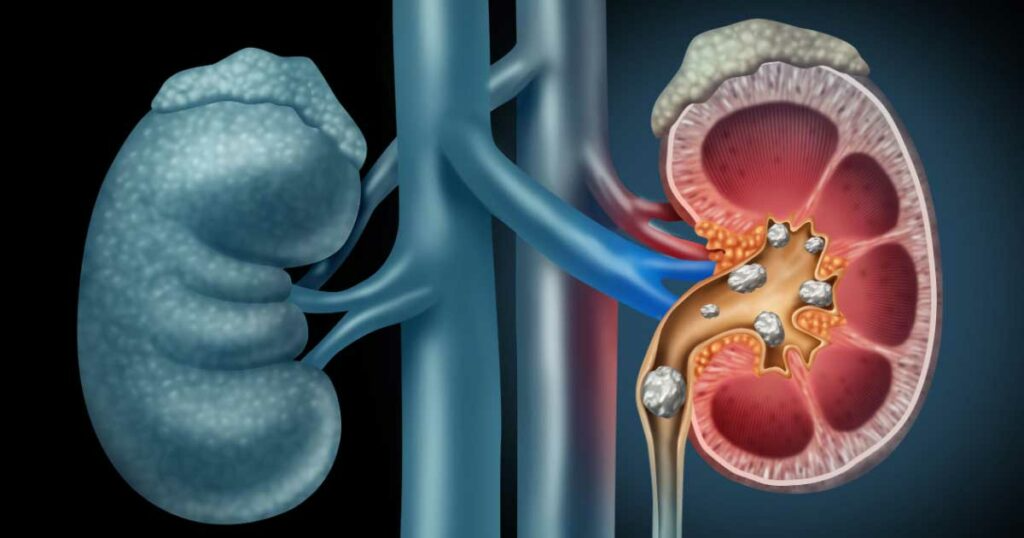
Located just below the ribcage on either side of the spine, the kidneys are two small bean-shaped organs. Their primary job is to filter the blood, eliminating excess fluid and waste from the body. Along with producing red blood cells, regulating blood pressure, and maintaining the proper balance of electrolytes such as calcium, potassium, and salt, the kidneys also play these roles. Healthy kidneys filter about 120 to 150 liters of blood per day, resulting in 1 to 2 liters of urine. Primarily
Kidney disease: what is it?
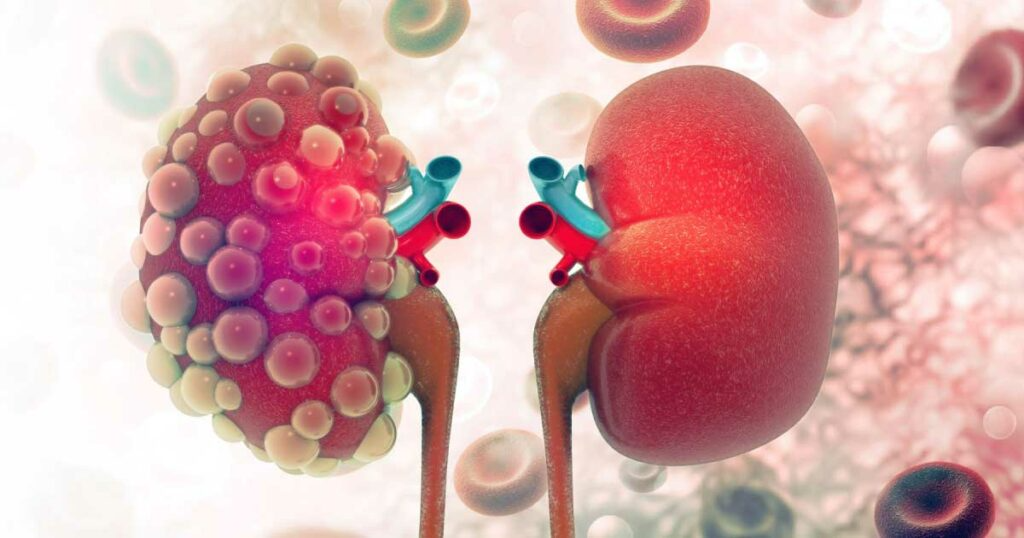
Renal disease, another name for kidney disease, is the result of damage to the kidneys that prevents them from working at their best. Kidney disease can have a number of causes, such as infections, autoimmune diseases, high blood pressure, diabetes, and genetics.
Kidney disease can worsen over time and result in kidney failure requiring a kidney transplant or dialysis. In order to properly manage the disease and stop future damage, early detection is essential.
For illustrative purposes only
Indices of diabetic nephropathy
Kidney disease is difficult because it is often not diagnosed until it is advanced enough. Fortunately, the body alerts us when something is wrong with the kidneys. If you notice this, you can see your doctor and with any luck, the problem can be fixed before it gets worse. These ten indicators suggest that your kidneys may be at risk.
For illustrative purposes only
1. Changes in urine
Changes in urine output are among the first symptoms of kidney disease. You may experience more frequent urination, especially at night. Conversely, you may experience less frequent urination or foamy urination.
2. Weakness and fatigue
For illustrative purposes only
A low red blood cell count, or anemia, is a disorder that can result from kidney failure. This can lead to persistent exhaustion, numbness, and trouble concentrating.
3. Inflammation
For illustrative purposes only
Kidney disease is often accompanied by edema or excessive fluid accumulation in the body. The feet, wrists, face, and even the abdomen may swell.
4. Persistent back pain
For illustrative purposes only
Back discomfort, which is typically felt right below the ribs, can be caused by kidney illness. There’s a chance that the pain may be intense, ongoing, and tender. This frequently coexists with an untreated urinary tract infection.
5. Inexplicable Loss of Appetite or Weight
For illustrative purposes only
Kidney disease could be the cause of your unexpected weight loss or decreased appetite. Loss of appetite and waste product accumulation in the body are the causes of this.
6. Queasy and regurgitating
For illustrative purposes only
Severe nausea and vomiting fit may be brought on by kidney illness. This may be more noticeable in the morning or right after eating.
7. Trouble Falling asleep
Renal patients frequently complain about difficulty falling asleep. This could be related to frequent urination, restless legs syndrome, or muscle cramping during the night.
8. Taste of Metal in the Mouth
An enduring metallic aftertaste may be a sign of renal dysfunction. The accumulation of waste materials in the blood is the cause of this.
9. Spasms and twitching of the muscles
For illustrative purposes only
Electrolyte abnormalities, like low potassium and calcium, can lead to twitching and cramping in the muscles. Kidney illness may be linked to these symptoms.
Back discomfort, which is usually felt just below the ribs, can be caused by kidney disease. There is a chance that the pain may be intense, persistent, and tender. This often occurs at the same time as an untreated urinary tract infection.
10. Itchy skin
A build-up of toxins in the bloodstream caused by kidney disease can result in itchy skin. This is often not region-specific but rather global.
It is important to note that the severity and stage of kidney disease can affect these symptoms. It is imperative that you speak with a healthcare provider if you experience any of these symptoms so that they can be further evaluated and treated appropriately.
Prevention is key.
There are a number of steps you can take to keep your kidneys healthy and stop kidney disease. As always, a healthy lifestyle comes first. This means eating a healthy diet, exercising regularly, drinking plenty of water, consuming alcohol in moderation, and getting enough sleep. If you smoke, think about giving up. Pay attention to how you take your prescription and over-the-counter medications. Always follow the instructions on the bottle or the instructions given to you by your pharmacist or doctor.
Finally, if you are in doubt or have a higher likelihood of having the disease, get your kidneys tested. As a reminder, the best way to prevent the worsening of kidney disease and improve overall health outcomes is early detection and early treatment. Avoid waiting until the last minute.
In conclusion, kidney disease is a serious condition that can significantly affect your overall health if not detected or treated. The kidneys are key to filtering waste from the blood and maintaining fluid and electrolyte balance, so proper functioning is essential for good health. Early detection is the key to effective treatment of kidney disease and prevention of serious complications. Paying attention to early symptoms such as changes in urine output, persistent fatigue, and unexplained swelling can help identify potential kidney problems before they progress to more serious stages.
Prevention plays a vital role in kidney health. Adopting a healthy lifestyle – through a balanced diet, regular exercise, adequate hydration, and avoiding excessive alcohol and tobacco consumption – can support kidney function and reduce the risk of developing kidney disease. In addition, managing underlying conditions such as high blood pressure and diabetes is essential. Regular medical checkups and kidney function screenings, especially for those at higher risk, can help catch problems early and ensure early intervention.
By staying informed and proactive about kidney health, you can take steps to prevent kidney disease or effectively manage it if it does occur. Early intervention and lifestyle modification are powerful tools to maintain kidney function and promote overall well-being.
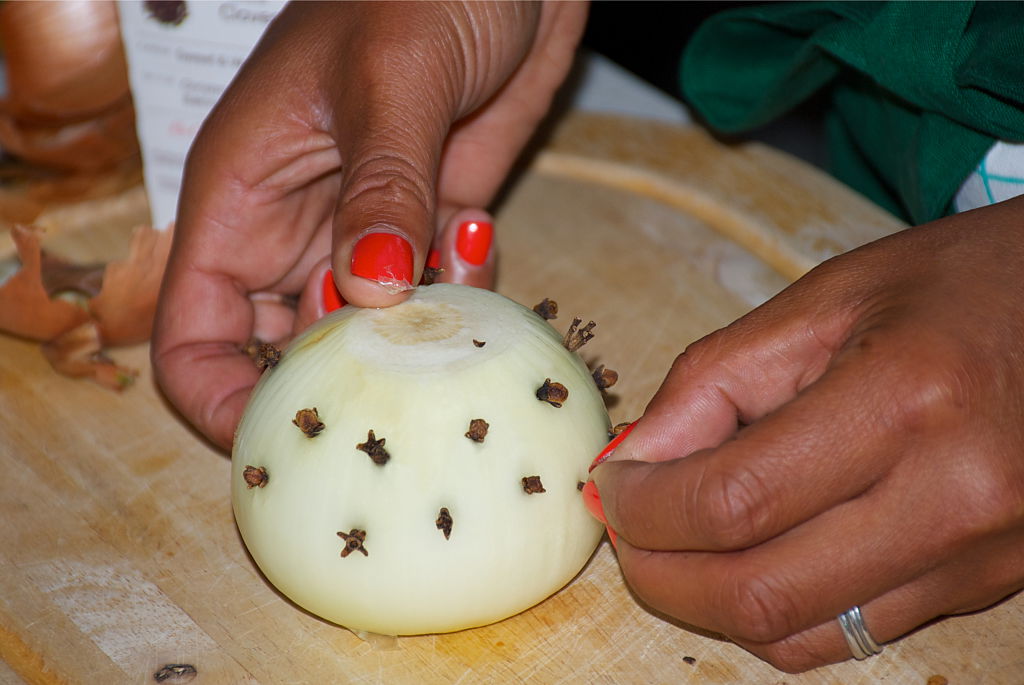
The combination of onions and cloves is not only useful in cooking but can also serve as an effective natural remedy to keep unwanted insects out of the house. This practice has been used for generations in various cultures to repel pests such as flies, mosquitoes, and other flying insects. Below, we explain how this simple mixture can become an effective and eco-friendly alternative to traditional chemical repellents.
Properties of Onions and Cloves
Onions are well known for their natural ability to repel insects. This is due to the sulfur compounds present in their structure, which release an odor that insects find unpleasant. Additionally, onions contain essential oils that, once released, enhance their repellent effect against various pests.
On the other hand, cloves—a spice widely used in cooking—contain a compound called eugenol. This component is known for its natural insecticidal properties, as it acts as a powerful repellent. Moreover, eugenol has antiseptic and anti-inflammatory properties, adding extra value in terms of its healing benefits.
How to Make Your Own Natural Repellent
Creating this homemade repellent is very simple and requires no complicated ingredients. Just follow these steps:
Take an onion and cut it in half.
Insert several cloves into the exposed flesh of the onion, ensuring they are firmly in place.
Place the onion halves in strategic areas of your home, such as near windows, doors, or any space where you frequently notice the presence of insects.
How Does This Natural Repellent Work?
The combination of onions and cloves works by creating an unpleasant olfactory barrier for insects. The strong scent of cloves, combined with the sulfur compounds in onions, creates an atmosphere that effectively repels pests. Unlike chemical repellents, which can be harmful to human and animal health, this natural solution is not only safe but also completely toxin-free.
This simple and cost-effective trick is ideal for those looking for an eco-friendly alternative to keep their home pest-free all year round. By using onions and cloves, you avoid harsh chemicals while enjoying a healthier, pesticide-free environment.
In conclusion, onions and cloves are a powerful and natural combination to keep insects away from your home. Their effectiveness, accessibility, and safety make this homemade remedy an attractive and reliable option for those seeking a simple yet efficient solution to household pest problems.
I need to share something that happened at my wedding, and I can’t stop thinking about it!
It was the happiest, most emotional day of my life — but one moment stands out so vividly that it still makes me tear up.
A little backstory: I’ve been dealing with hair loss since I was a teenager. It’s been a long and painful journey — wigs, hats, scarves, anything to hide what I saw as flaws.
For illustrative purposes only
Over time, though, I’ve come to accept and even embrace it. Jake, my fiancé, played a huge part in that. “You’re beautiful exactly the way you are,” he always tells me, and when he looks at me, I actually believe him.
But this story isn’t just about me or Jake — it’s about Avery, his 8-year-old daughter. She’s been my sunshine since the moment we met, a funny, wise, big-hearted kid who just gets people. Her mom left when she was three, moving overseas and cutting off contact.
Since then, Jake’s done everything to give her a happy, stable life. When we got engaged, I promised Jake — and myself — that I would adopt Avery after the wedding. I wanted her to feel as loved and cherished as she deserved.
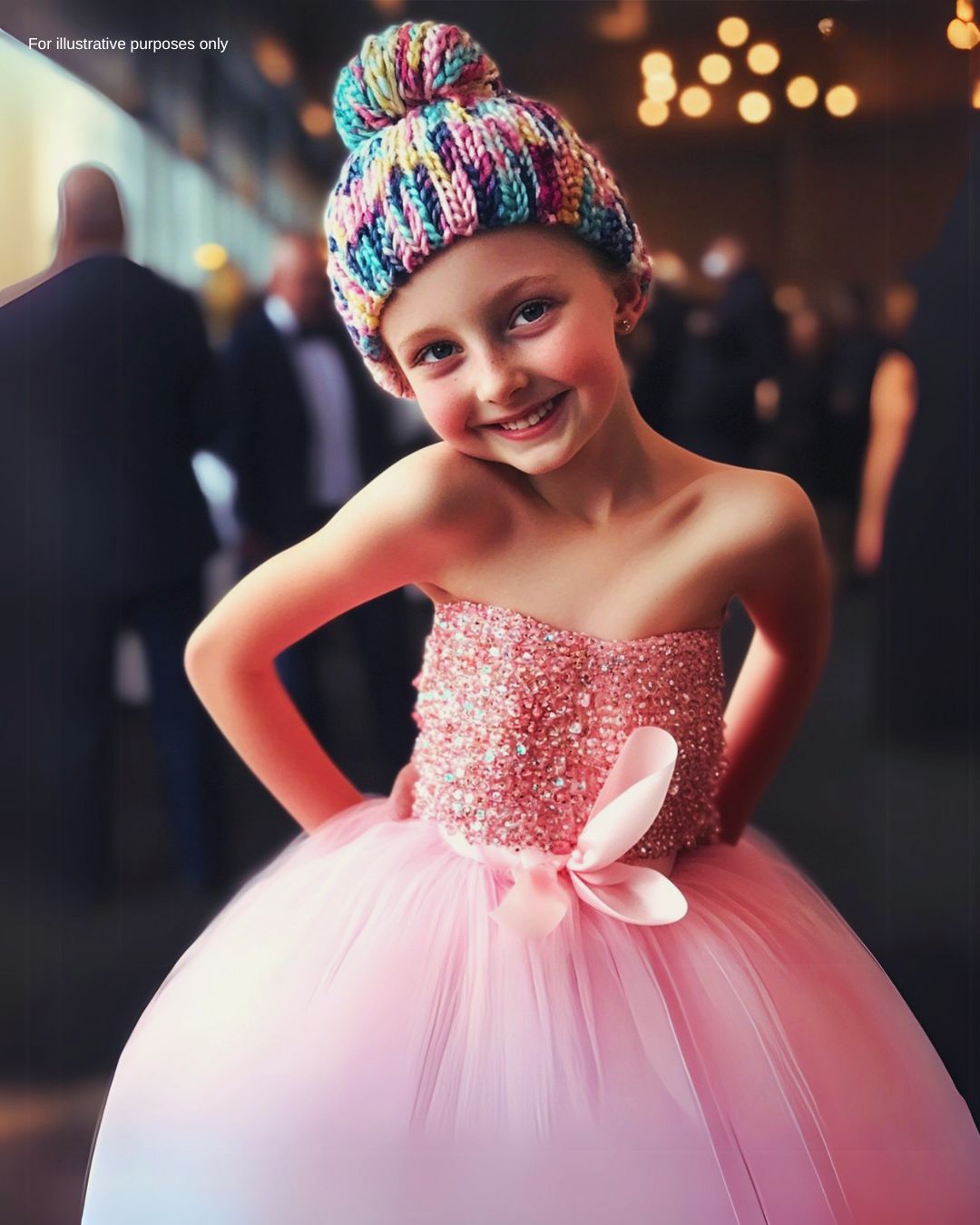
The big day arrived, and Avery looked like a fairy-tale princess. Her pale pink dress flounced as she twirled in front of the mirror, beaming with pride.
But there was one odd detail: perched on her head was that same knitted winter hat. Bright pink, slightly crooked, and completely out of place with her outfit.
Jake raised an eyebrow when he saw her. “Sweetheart, don’t you think you’d be more comfortable without the hat?”
Avery shook her head firmly. “Nope! It’s special.” She glanced at me, her face unreadable, and I just smiled. Kids have their quirks, and I figured she’d explain when she was ready.
For illustrative purposes onlyFor illustrative purposes only
The ceremony was everything I’d dreamed of. Jake’s vows had me in tears, and when I said my own, he squeezed my hands so tightly that it felt like a promise sealed in stone.
Avery stood beside Jake, grinning like she had a secret, and every time I looked at her, my heart swelled. At the reception, laughter and music filled the air.
I was on cloud nine, swaying with Jake during our first dance, when I noticed Avery standing alone in the middle of the room. She was clutching something in her hands, wrapped in a delicate ribbon. The guests began whispering and glancing her way, their curiosity buzzing through the room.
Jake frowned. “What’s she up to now?”
“I have no idea,” I said, my heart suddenly racing.
Avery cleared her throat, her little voice carrying over the murmurs. “I have a present for you, Anna.”
The room went silent, all eyes now on us. My pulse quickened as I walked toward her. She was so small under the spotlight, but her expression was calm and determined, her big brown eyes full of something I couldn’t quite place.
Kneeling in front of her, I smiled. “What’s this, sweetheart?”
She held the bundle out to me. “Open it. You’ll see.”
The ribbon slipped off easily, and when the fabric fell away, I froze.
It was hair — long, shiny, tailbone-length hair tied into a thick ponytail. My breath caught as I stared at it, my mind racing.
“Avery… what is this?” I whispered, my voice shaking.
She looked me straight in the eyes and said, “It’s yours.”
For illustrative purposes only
I stared at the ponytail in my hands, my mind blank with shock. Slowly, I looked up at Avery, then at Jake, whose eyes glistened with unshed tears. He gave me a small, encouraging nod but didn’t say a word.
Avery smiled shyly, shifting from foot to foot as the weight of every guest’s eyes bore down on her. Finally, she spoke, her voice steady despite her tiny frame. “I wanted to give you something special, Anna. It’s for a love wig.”
I blinked, trying to process her words. “A… a love wig?” I whispered.
She nodded, her cheeks turning pink. “It’s because I love you. And I want you to have hair that’s made with love.”
Before I could even respond, Avery reached up and did the thing that changed the room in an instant. She tugged off her knitted hat.
Gasps rippled through the hall like a wave.
Her beautiful, long, shiny hair — the hair that always made her look like a storybook princess — was gone. In its place was the sweetest little bob I’d ever seen, the ends curling gently at her chin. It was adorable, but all I could focus on was what it meant.
My hands flew to my mouth as tears spilled freely down my face. “Avery…”
“I wanted it to be a surprise,” she said softly. “Daddy took me to the hairdresser last week, and they said it was long enough to make a wig. So now it can be your hair.”
For illustrative purposes only
Jake finally stepped forward, his voice thick with emotion. “This was all her idea. She came to me a month ago and said she wanted to do something big for you. I thought it might be too much, but… well, she was determined.”
The room was silent except for the sound of sniffles, and I realized I wasn’t the only one crying. Guests dabbed at their eyes with napkins, and some didn’t even bother hiding their tears.
Then, slowly, at first, the applause began. It grew louder and louder until everyone in the room was on their feet, clapping for Avery.
And as I hugged her tight, the world faded away. All I could feel was love.
I knelt and wrapped Avery in the tightest hug I could manage without crushing her. Tears streamed down my face, but for the first time in my life, they weren’t from sadness or insecurity — they were pure, overwhelming joy.
“This,” I whispered, my voice breaking, “is the most beautiful gift anyone has ever given me. I love you so much, Avery. You are the most amazing daughter, and I’m so, so proud of you.”
Her little arms squeezed me back. “I love you too, Mom. You’re my favorite person ever.”
Jake knelt beside us, his hand on Avery’s shoulder. “You’ve made this the best day of our lives, sweetheart.” His voice was thick with emotion, his normally steady composure nowhere to be found.
The guests erupted into another round of applause, but this time, I barely noticed. All that mattered was the little girl in my arms and the incredible love she’d shown me.
From that day on, Avery and I were inseparable. We’d always been close, but something about that moment bonded us in a way I can’t even put into words. She didn’t just give me her hair — she gave me her heart.
The story didn’t end there, though. Jake and I knew we couldn’t let Avery’s generosity stop with just us. A few weeks after the wedding, as we were reflecting on everything that had happened, Jake said, “You know, we should do something bigger with this.”
I nodded. “Like a foundation. We could help people with alopecia feel beautiful and supported.”
Avery, perched on the couch with her coloring book, perked up. “Can I help? I wanna make other people happy like you, Mom.”
And that’s how the “Love Wig Foundation” was born. Avery became the heart and soul of the project. She spoke at events, helped design wigs, and even wrote little notes to send with each one. “To make people smile,” she’d say.
At a foundation event years later, Avery hugged me tightly and whispered, “See, Mom? I told you love makes everything better.”
And just like that, she reminded me again why she’s the greatest gift I’ve ever received.
This work is inspired by real events and people, but it has been fictionalized for creative purposes. Names, characters, and details have been changed to protect privacy and enhance the narrative. Any resemblance to actual persons, living or dead, or actual events is purely coincidental and not intended by the author.
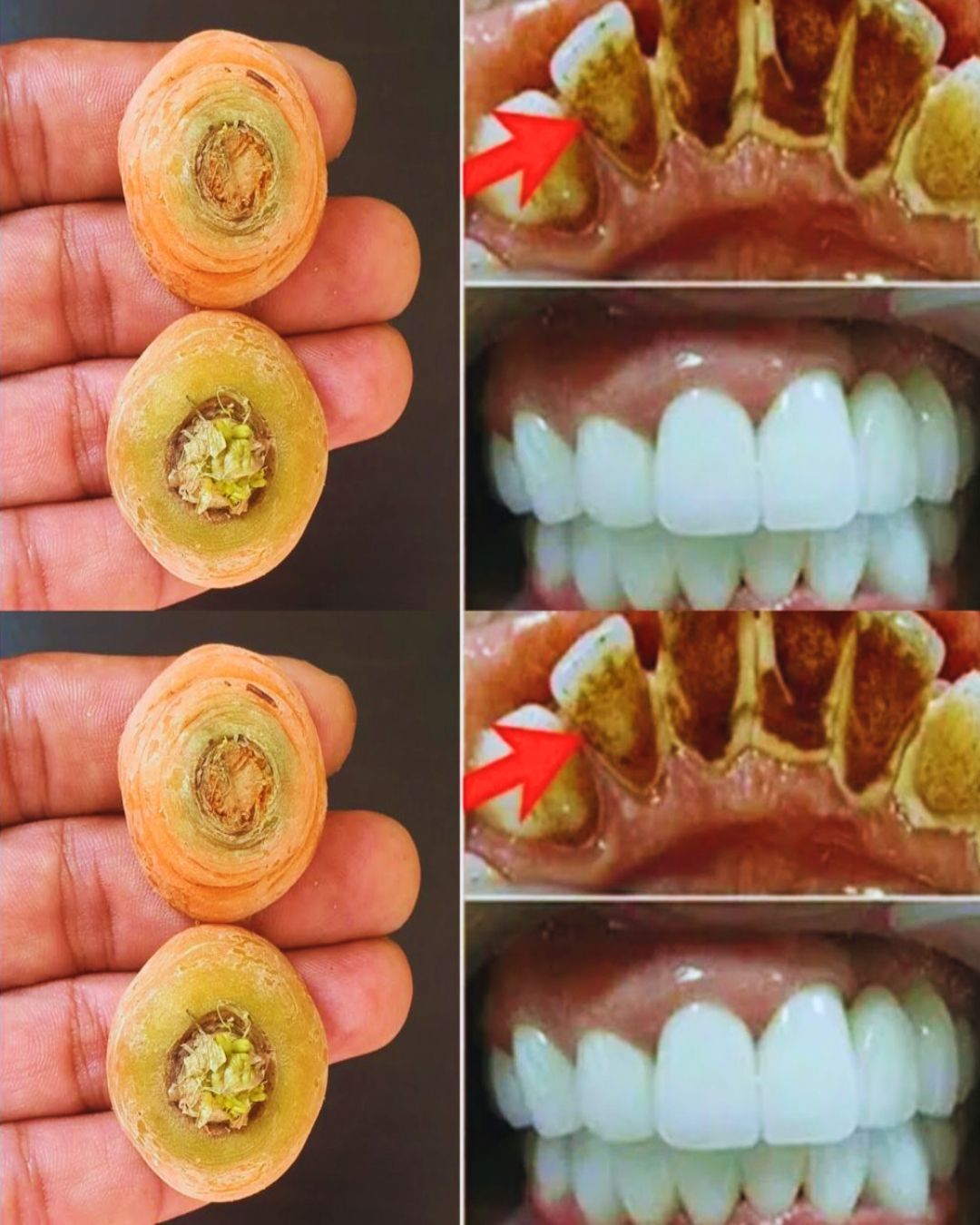
Are you tired of stained teeth? Do you want a natural solution that is gentle yet effective? Look no further than carrot tops! These often overlooked and discarded parts of the carrot can actually work wonders for your teeth. With their high chlorophyll content and gentle abrasive properties, they can help remove stains and freshen your breath, giving you a bright, shiny smile in just 2 minutes! Let’s dive into how you can use carrot tops for pearly white teeth.
Why Carrot Tops Work for Teeth Whitening
Carrot tops are a natural stain remover due to their fibrous texture. This means that they act as a mild abrasive, gently scrubbing away surface stains caused by coffee, tea, and food. But that’s not all – they also contain chlorophyll, which not only detoxifies the mouth but also helps neutralize bad odors. Additionally, carrot tops are rich in calcium and other minerals that strengthen enamel while enhancing the natural whiteness of teeth. It’s like getting a triple benefit in one!
How to Use Carrot Tops for Teeth Whitening
Ingredients:
Using carrot tops for teeth whitening is easy. Here’s what you’ll need:
A handful of fresh carrot tops
1 teaspoon of baking soda (optional, for extra whitening power)
Instructions:
Here are the steps to follow:
Wash the carrot tops thoroughly and chop them into smaller pieces.
Crush the carrot tops into a paste using a mortar and pestle or blend them with a tiny amount of water.
Mix the paste with baking soda (optional).
Apply the mixture to your toothbrush and gently brush your teeth for 2 minutes.
Rinse your mouth with water and voila, you’re ready to show off your beautiful smile!
Benefits After 2 Minutes
Using carrot tops for teeth whitening can deliver some amazing benefits in just 2 minutes:
Noticeably whiter teeth: The surface stains are reduced, revealing a whiter smile.
Fresher breath: Chlorophyll in carrot tops eliminates bad odors instantly, leaving your breath fresh and clean.
Stronger teeth: The natural minerals found in carrot tops promote enamel strength, making your teeth stronger and healthier.
For best results, repeat this process 2-3 times a week. You’ll be amazed at the long-lasting results!
Conclusion
Who knew carrot tops could contribute to oral health? This simple and natural remedy is a cost-effective and gentle way to maintain your teeth’s health and appearance. While the whitening effects may not be as strong as professional treatments, it can help remove plaque and stains while promoting healthier gums and teeth. As with any remedy, moderation is key, and it’s always important to maintain a complete oral hygiene routine. Try it today and enjoy a naturally brighter smile!