A lie detector robot

A father buys a lie detector robot that slaps you when you lie

He decides to test it out on his son at supper.

Dad says: “Where were you last night?”

Son says: “I was at the library.”

The robot slaps the son.

Son says “OK, I was at a friend’s house.”

“Doing what?” asked the father.

Son says: “Watching a movie

Toy Story.”

The robot slaps the son.

“OK it was p*rn!” cried the son.

Father yells “What? When I was your age I didn’t know what p*rn was.”

The robot slaps the father.

The mother laughs and says, “He certainly is your son.”

The robot slaps the mother.

What’s the first thing …

Johnny,” says the teacher, “what’s the first thing your father does in the morning?”

“He takes a shit, sir,” says Johnny.

“Oh,” says the teacher, “and what does your father do for a living?”

“He’s a bricklayer,” says Johnny.

The teacher thinks, hmm, working class, what else can you expect?

“Bobby,” says the teacher, “what’s the first thing your father does in the morning?”

“He takes a shit, sir,” says Bobby.

“Hmm,” says the teacher, “and what does your father do for a living?”

“He’s a joiner,” says Johnny.

The teacher sees this as confirming his suspicions about the lack of linguistic skills among working class children.

“Freddy,” he says. “What does your father do for a living?”

“He’s a lawyer, sir” says Freddy.

“And what’s the first thing your father does in the morning?”

“He reads The Times, sir,” says Freddy.

“Interesting,” says the teacher, “and how much time does he spend reading the paper?”

“Not long,” says Freddy, “just until he’s finished taking a shit.”😂

A blonde and a redhead

A blonde and a redhead were sitting together having drinks, when the blonde noticed a man walking towards them with an arm full of long stem red roses.

The blonde says to the redhead, “isn’t that your husband coming carrying all those roses?”

The redhead says, yes it is.

The blonde responds by saying, “Oh you are so lucky”.

The redhead says, “No I’m not. All that means is that I have to spend the whole week-end flat on my back, with my legs in the air and spread apart.”

The blonde says, “Oh my, don’t you have a vase to put them in”?

Last chicken

A meat counter clerk, who was drunk and had a particularly good day, proudly flipped his last chicken on a scale and weighed it.

“That will be $6.35,” he told the customer.

“That really is a little too small,” said the woman. “Don’t you have anything larger?”

Hesitating, but thinking fast, the clerk returned the chicken to the refrigerator, paused a moment, then took the same one out again.

“This one,” he said faintly, ” will be $6.65.”

The woman paused for a moment, then made her decision. “I know what,” she said, “I’ll take both of them!”

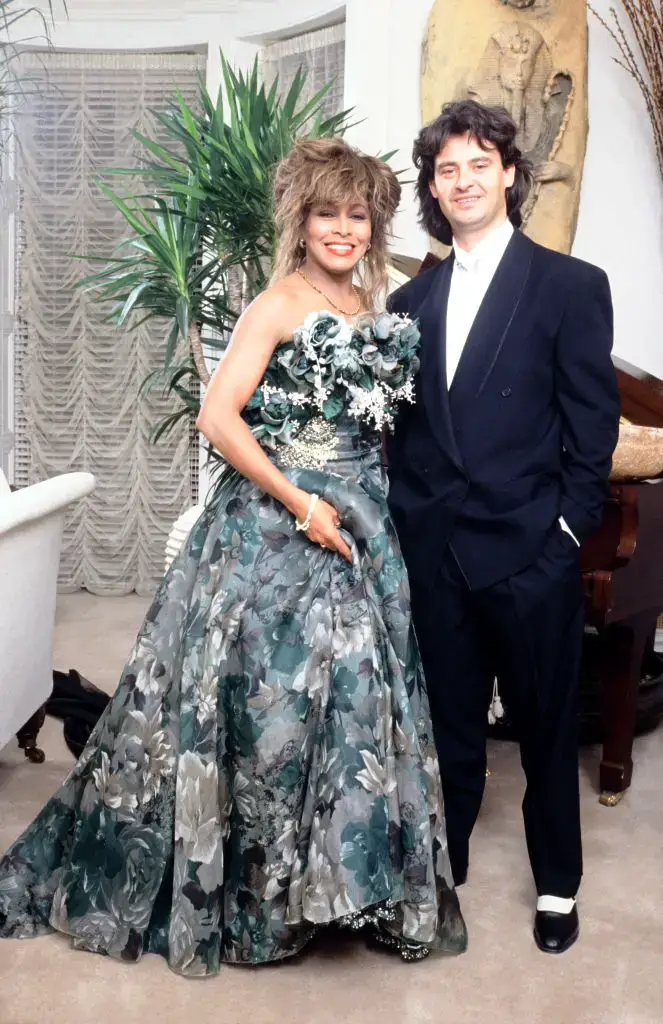
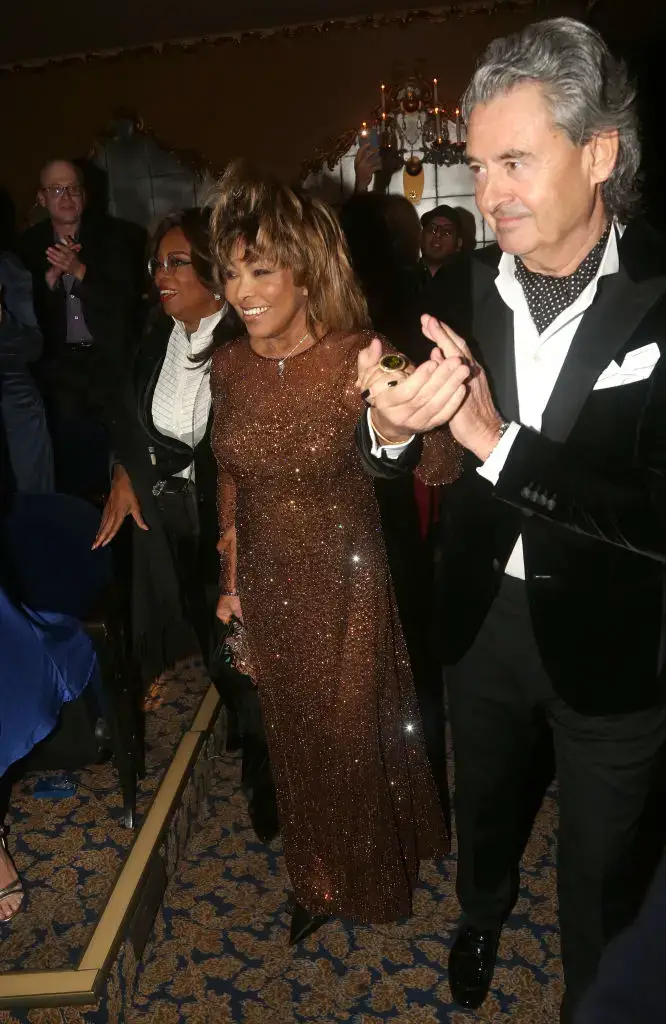
Tina Turner’s 2nd husband sacrificed his organ to save her life because he ‘didn’t want another woman’

With a career spanning over five decades, Tina Turner is one of the best-selling recording artists. She was born Anna Mae Bullock and her parents divorced when she was very young leaving her and her sister with their grandmother. When she turned 19, Tina moved in with her mother and that’s when her talent got noticed.

Tina rose to fame when she started performing with her then-husband Ike Turner before she started a solo career.

Her energetic stage presence and her powerful vocal kept her on the top for many years. Tina’s songs “Private Dancer,” “What’s Love Got To Do,” “Proud Mary,” and many more are still huge hits and part of many generations’ lives.

She retired from singing some years ago and has faced a series of health challenges from 2013 to 2018. Today, however, she’s feeling fine and is happy to be alive.

Tina had a stroke after which she struggled to use her right hand. She also lost the ability to speak shortly, but managed to regain her strength. But just after she thought she was doing great, she was diagnosed with intestinal cancer followed by kidney failure. Not many were familiar with the super-star’s struggles as she opened up about it in her book, Tina Turner: My Love Story, published two years ago.

“I began to think about death. If my kidneys were going, and it was time for me to die, I could accept that. It was OK. When it’s time, it’s really time. I didn’t mind the thought of dying, but I was concerned about how I would go,” she wrote.

After the successful surgery during which part of her colon was removed, she had a kidney transplant. Her donor was her husband Erwin Bach.

“I know that my medical adventure is far from over,” Turner wrote. “But I’m still here — we’re still here, closer than we ever imagined. I can look back and understand why my karma was the way it was. Good came out of bad. Joy came out of pain. And I have never been so completely happy as I am today.”

Tina and Erwin’s love story has been a beautiful one.

Following her marriage with her first husband Ike, who has been abusive and made her life a living hell, she didn’t believe in love, but meeting Erwin changed it all.

Speaking of their first encounter, the singer said, “He had the prettiest face. You could not miss it. My heart went bu-bum. It means that a soul has met. My hands were shaking. And Roger said to me, ‘Tina, you ride with Erwin,’ and I wanted to go, ‘Yay!’” At the time, he was a 30-year-old music executive for EMI.

Later on, Turner invited him to visit her to the States and that’s when she knew he was the one. “It’s love. It’s something we both have for each other. I always refer to it as an electrical charge. I still have it. Even though when I left her two hours ago, I still have that feeling. It’s in my heart. I feel very warm about this,” he said of their relationship.

Erwin proposed Turner on her 59th birthday. She didn’t say ‘yes’ right away because she had already had a bad experience with marriage.

“I said, ‘I don’t have an answer.’ It wasn’t yes, it wasn’t no. Marriage says ownership. I didn’t want that ‘my’ anything, anymore. I had enough of that.”

They eventually tied the knot. The wedding ceremony was held at their luxurious estate in Switzerland and the singer wore a fabulous dress by Giorgio Armani, embellished with Swarovski crystals.

When she was diagnosed with kidney cancer, it was Erwin who gave her the biggest support and made the ultimate sacrifice for her.

“He said he didn’t want another woman, or another life. Then he shocked me. He said he wanted to give me one of his kidneys”, she remarked.

Her fans wished her well and were eager to learn how she was doing after she managed to overcome the number of health issues, so she treated them with a video and said, “Yes, I made it, I look great. I feel good. I’ve gone through some very serious sicknesses that I’m overcoming, so it’s like having a second chance at life.”


In the recent feature-length documentary, simply titled “Tina,” the singer spoke of her life again and said how she suffers from PTSD from the abuse she experienced by her former husband Ike Turner. She also said that she wants to enter the third and final chapter of her life out of the spotlight and fans saw it as a farewell.

We wish Tina all the best in the years to come and we hope she won’t experience any more health issues.

Please SHARE this story with your family and friends on Facebook

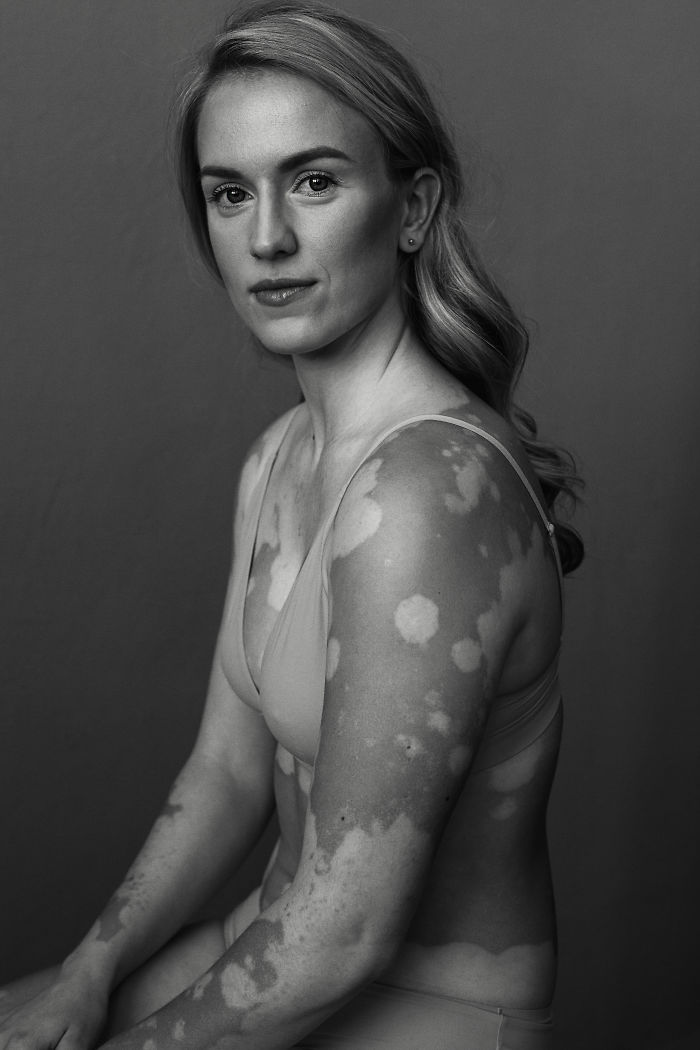
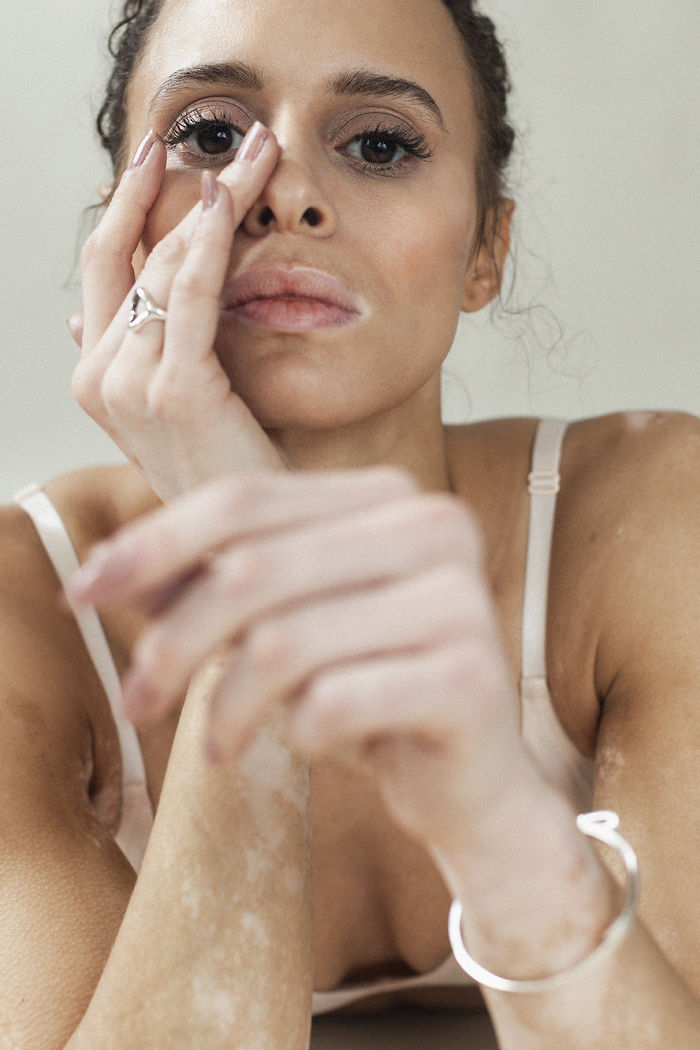
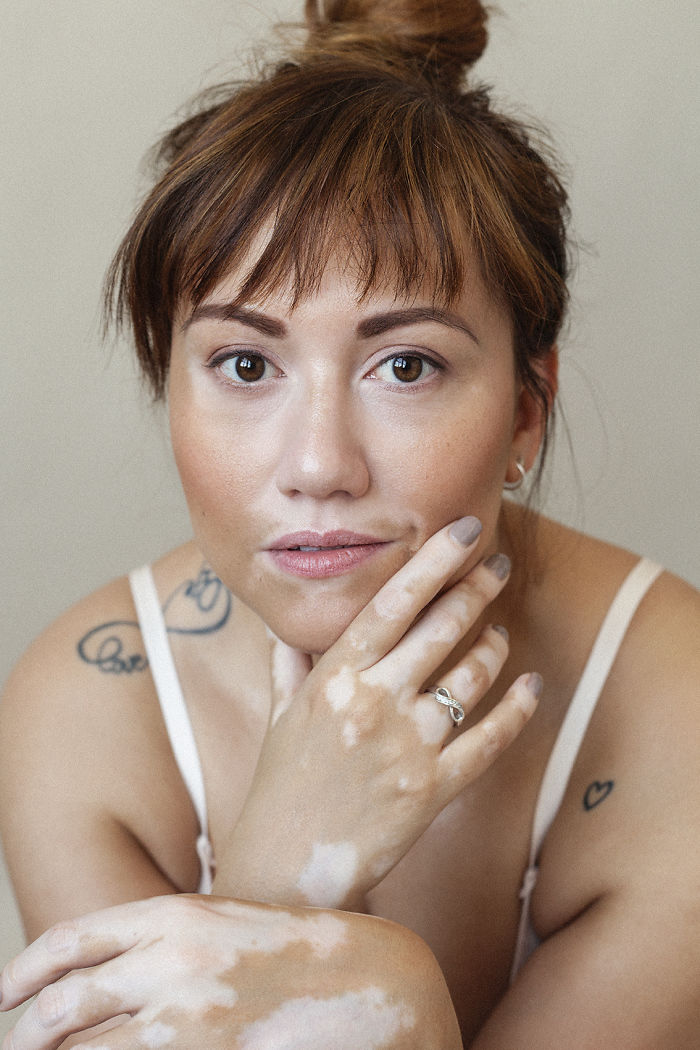
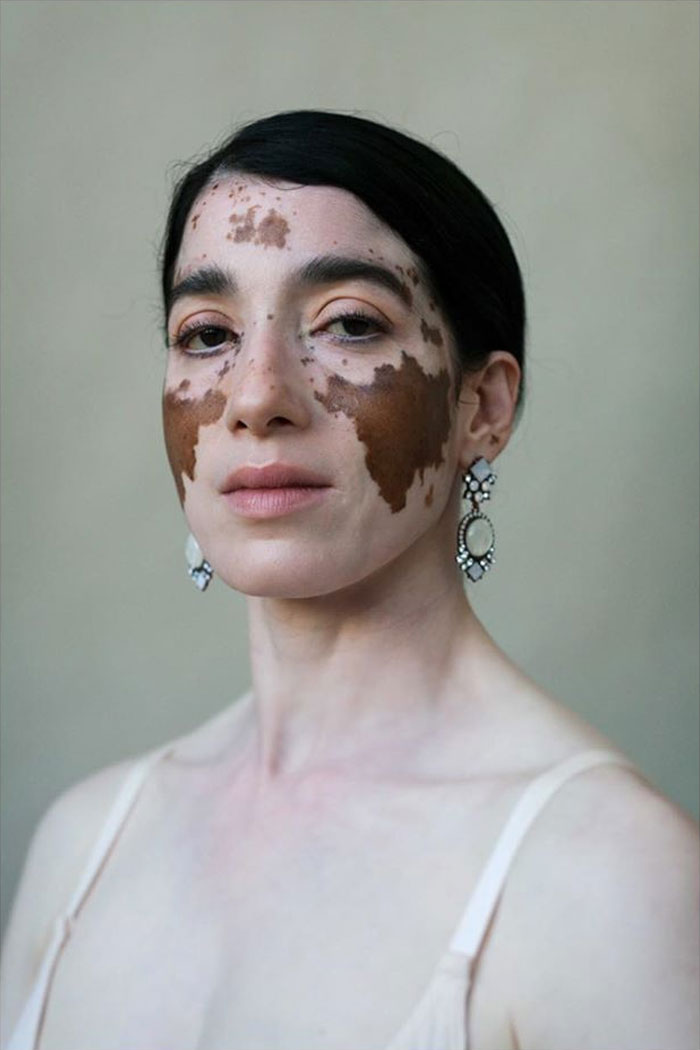
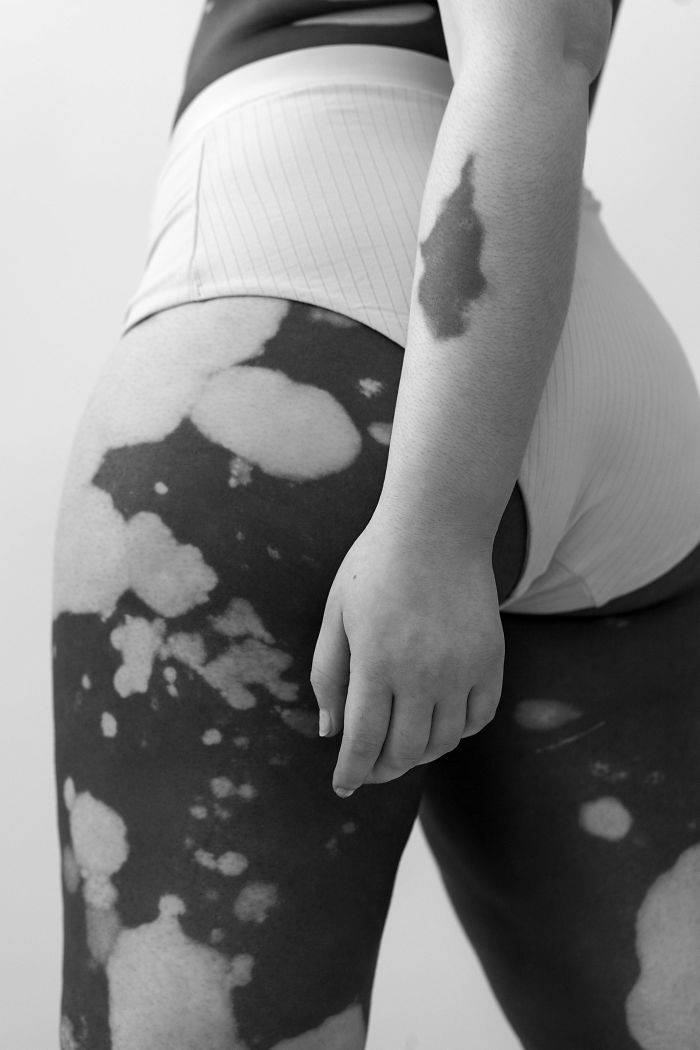
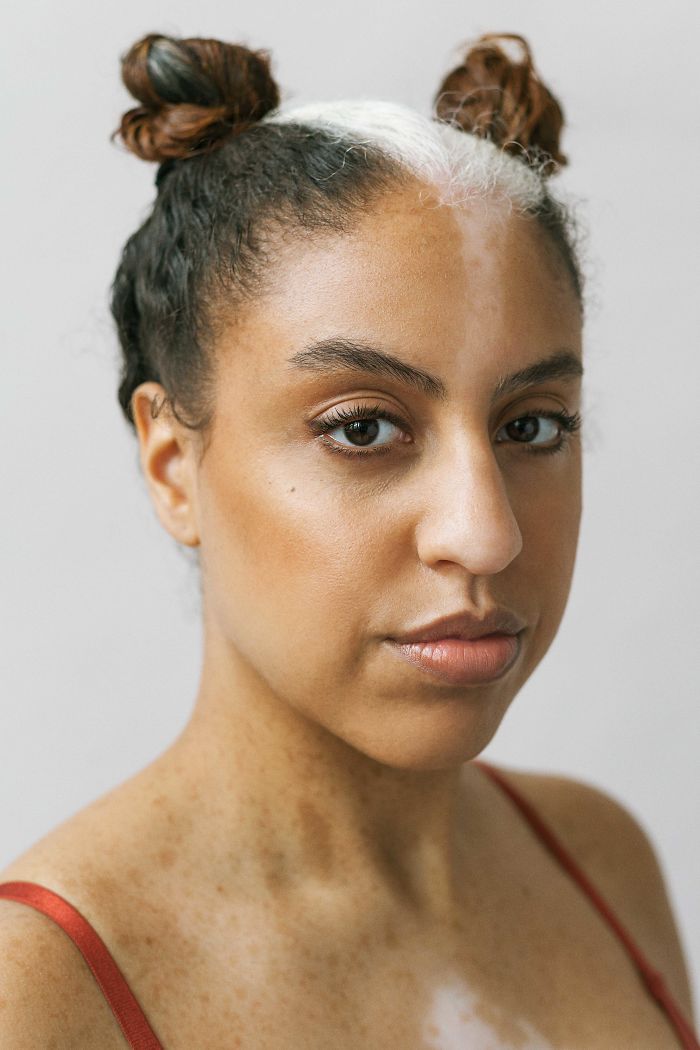
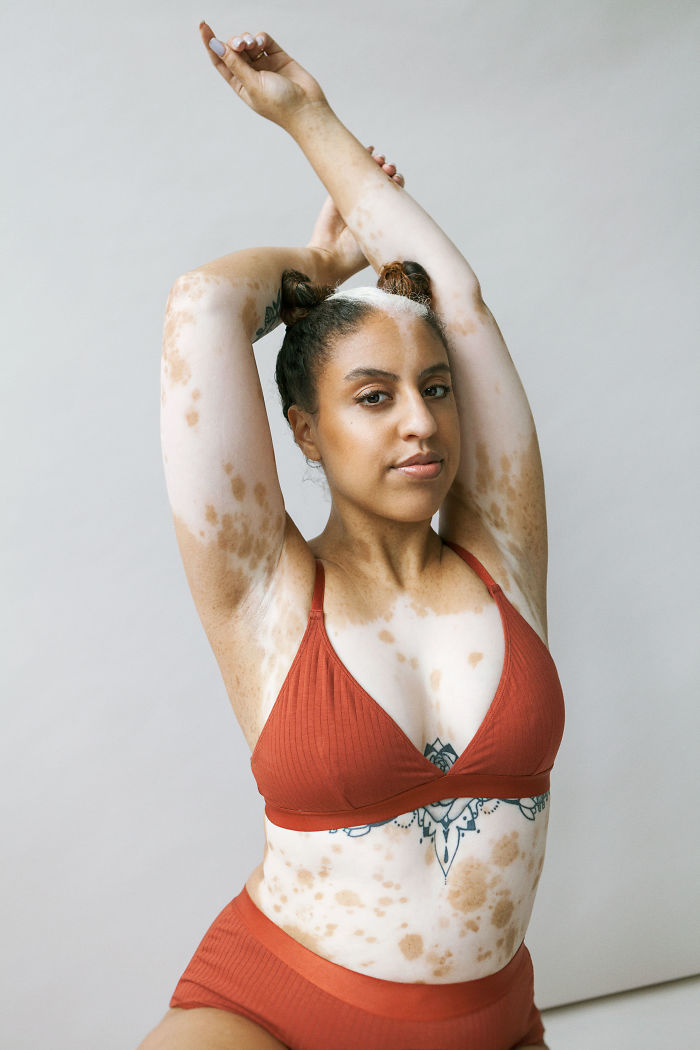
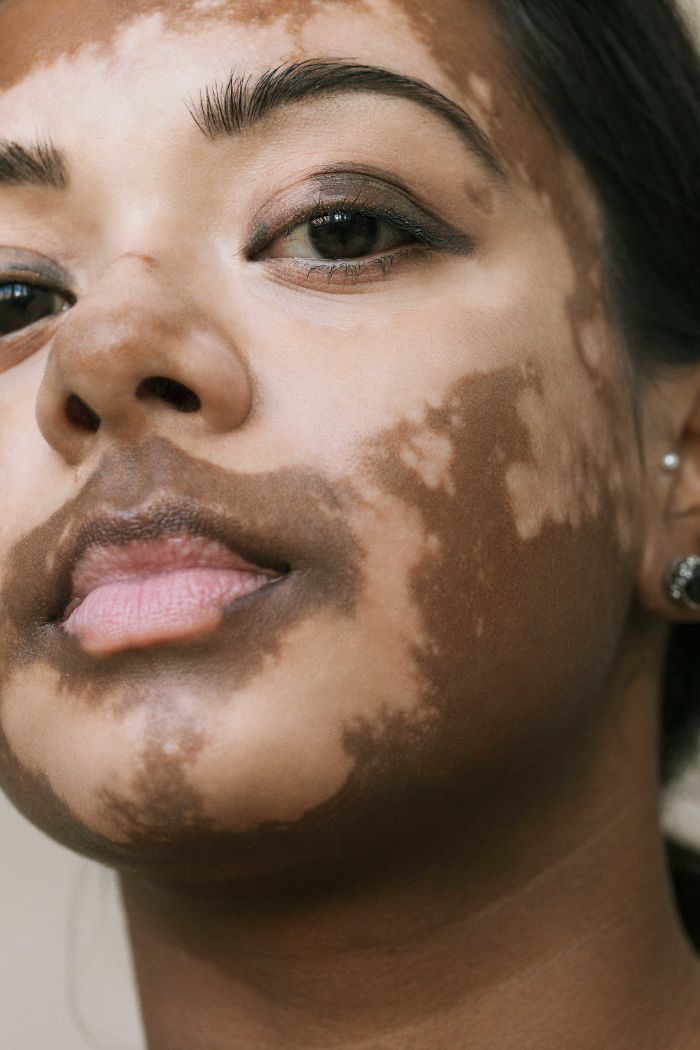
Beautiful Women With Vitiligo Photographed By A Woman With Vitiligo

When you look at people in the world around you, it doesn’t take much to recognize that they don’t look similar. Everybody has their own look and at times, that look may draw more attention than others.

One person who understands this very well is Elisabeth Van Aalderen. She is a photographer who works in the fashion industry and is pursuing her dream as a professional photographer. That changed about eight years ago when she developed vitiligo.

She said: “I started to get tiny white spots on my left hand. After a few weeks, the small spots turned into one bigger spot. That’s when it all started. Today, 60% of my skin is covered in vitiligo.”

Elizabeth has now photographed many women who also have the same condition. She intends to show the beauty of those women to the world. You can see many of her photographs below:

1

2

3

4

5

6

7

8

9

10

11

12

13

14

15

16

17

18

19

20

21

22

23

24

25

26

27

28

29

30

31

32

After my husband’s best friend joined us for dinner, our 7-year-old daughter stopped talking for weeks

Brian, my husband’s best friend, was more like family to us. He was the person we trusted the most – someone we could always rely on. That evening, he came over for dinner, and since my husband wasn’t home yet and I needed to grab something from the store, I left my daughter with him. When I returned, nothing was the same. Emily, my daughter, stopped talking all of a sudden.

Someone rang the doorbell and Emily rushed towards the door. She opened it, and there was Ryan, balancing two huge boxes of pizza in one hand and holding a bad in the other.

Emily clung to his leg, waiting for him to give her a hug. Ryan handed her the beg, saying, “Where’s my girl. This is for you, you are going to like it.”

When she opened it, she found a stuffed toy inside. “Thanks, uncle Bryan,” she said, giving him yet another hug.

“Oh, Ryan, what would we do without you?” I asked, smiling and feeling grateful for his presence in our lives.

Since my husband, Tom, had still not returned from work, I asked Ryan to keep and eye on Emily while I went to the store to grab some juice.

“We’ll be fine,” he said, and there was no reason I could ever think otherwise.

However, when I returned, I saw Bryan grabbing his coat. “I need to leave,” he said, “something came out. Tell Tom I’ll call him.”

This was a bit strange, but I didn’t think much about it.

It was only obvious that something happened while I was gone when my daughter stopped talking. She would refuse to answer my questions, didn’t ask anything, she just stood there quetly.

Pexels

The days turned into weeks, and Emily was still silent. We took her to a psychiatrist, but they were unable to discover the reason of her odd behavior.

When she was about to return to school, she finally spoke to me. “Mom, are you going to leave me here forever?” she asked.

Her question surprised me. “Of course not, honey, why would I do such a thing.”

“Mom, uncle Brian told me my real parents abandoned me, and now I’m afraid you and dad would do the same.”

My world collapsed. Emily was adopted, but we believed she was way too young to know that. Why would Brian tell her such a thing?

My suspicions that he was the reason my daughter stopped talking turned out to be true.

Pexels

Ever since that night, he didn’t reach to us, and we didn’t call him either, and now I knew why.

I left Emily at school and headed to Tom’s office, telling him everything. He was shocked. Brian was like a brother to him.

After a while, Brian sent me a message saying he wanted to talk. Despite Tom’s advice not to go, I wanted to hear his explanation.

We met at a cafe and Brian didn’t resemble his old self. Something was very wrong.

“What is it Brian?” I asked, with anger in my voice.

Pexels

It was then that Brian told me he learned he was adopted a day before the pizza night. He was devastated and angry at his parents for keeping that a secret from him for that many years. Somehow, he felt the urge to tell Emily she was adopted too. He believed if she knew that from early age, he would spare her from suffering later on.

“Brian, it was not your truth to tell. Tom and I had a plan. We would tell her that when the time would be right.”

Brian kept apologizing, but I didn’t accept his apologies.

Luckily, Emily was able to heal from the trauma. It did take time, but her trust in me and Tom returned.

Please SHARE this article with your family and friends on Facebook.

Raising My Twin Grandsons Alone After Losing Their Mom — Until the Day a Mysterious Woman Arrived with a Heartbreaking Secret

A knock at the door was the last thing I expected that evening. I had just finished tidying up after dinner—folding little piles of laundry and listening to the excited shouts of Caleb and Ethan as they argued over the blue spoon—and I thought I’d finally get a moment’s peace. At 62, I had always imagined my days unfolding quietly: mornings with a steaming cup of coffee on my back porch, tending to my small garden, maybe even joining the ladies from down the street at our monthly book club. Instead, my life had become a whirlwind of tiny footsteps, spilled cereal, and the joyful chaos that only little ones can create.

I never imagined that my days would be filled with the laughter and the mischief of Caleb and Ethan—the two five‐year‐olds who, with their sweet yet unpredictable energy, had become everything to me since my daughter’s passing. Their mother, my beloved Alice, had died in a car accident just last year. Losing her felt like losing the very air in my lungs. Alice wasn’t just my daughter; she had been my best friend, the light of my life. And though my heart ached every time I saw the boys—reminders of her bright eyes and mischievous smile—the bittersweet joy of having them near was also what kept me going.

Life as a grandmother who had to fill both roles was never easy. Every morning I woke to the pitter-patter of little feet on the hardwood floors, the soft hum of cartoons in the living room, and the constant demands of school projects, bedtime stories, and endless “why” questions that seemed to multiply with every passing hour. Just last week, Ethan had wailed, “Grandma! Jack says I’m gonna get eaten first ‘cause I’m smaller!” I had to stifle my laughter as I reassured them that no monster would ever dare step foot in a house where I was in charge.

Yet, despite the joyful mayhem and the exhaustion that came with endless days and sleepless nights, nothing could have prepared me for the knock at the door that evening—a knock that would unravel secrets I never imagined and change everything I thought I knew about my family.

It was just after dinner. Caleb and Ethan were sprawled on the living room rug, giggling at a cartoon I barely understood, while I was in the dining room folding their little clothes. The doorbell rang unexpectedly, a sound that made me freeze in place. I wasn’t expecting anyone. Mrs. Cartwright, my friendly neighbor, usually called ahead before stopping by, and I hadn’t ordered any package online that would warrant a delivery.

With a mixture of apprehension and curiosity, I padded to the door and opened it cautiously. Standing there was a woman I didn’t recognize—a woman who looked to be in her late thirties. Her blond hair was pulled back into a messy bun, and red-rimmed eyes betrayed days of quiet weeping. Clutched in her trembling hands was a small envelope that seemed to weigh far more than its size would suggest.

“Are you Mrs. Winters?” she asked, her voice soft and unsteady.

I tightened my grip on the doorframe. “Yes. Can I help you?” I managed, feeling my heart begin to race.

She hesitated, glancing briefly behind me where Caleb’s squeals of delight punctuated the background noise of the boys’ cartoon. “I… I’m Sabrina. I need to talk to you. It’s about Alice.”

At the sound of that name—Alice, my dear daughter—I felt as if the air had been sucked out of the room. Nobody mentioned Alice without treading on fragile ground, for every word about her carried memories too painful to relive. My throat constricted, and I managed, “What about Alice?”

Her eyes brimmed with tears as she said, “It’s not something I can explain here. Please… may I come in?”

Every instinct in me screamed to shut the door and send her away. Yet something in the look on her face—a mix of desperate urgency and quiet sorrow—made me lower my guard. Reluctantly, I stepped aside and said, “Alright. Come in.”

Sabrina followed me into the living room. The TV’s animated colors and the boys’ laughter provided a surreal backdrop to the heavy air that now seemed to settle over us. I motioned for her to sit, but she remained standing near the doorway, clutching that envelope as though it were a lifeline. Finally, with trembling hands, she thrust the envelope toward me. “Please,” she said, her voice barely above a whisper, “give me the boys. You don’t know the truth about them.”

I stared at her, utterly baffled by her audacity and the strange demand. “What are you talking about?” I asked, my voice shaking with disbelief.

Sabrina’s gaze wavered, and for a long moment she seemed to search for the right words. Finally, her hands quivered as she took a deep breath. “Alice told me to give you this… if anything ever happened to her. I didn’t know where else to find you, and I wasn’t ready to tell you until now. But you need to read it.”

I clutched the envelope as if it were a fragile artifact. Written on its front was my name—in Alice’s familiar handwriting. Tears blurred my vision as I whispered, “What is this?”

Her face crumpled, and she said, “It’s the truth. About the boys. About… everything.”

My heart pounded as I tried to steady my breathing. “What truth?” I demanded, my voice rising though I quickly lowered it when I heard Caleb stir from the living room. “What are you talking about?”

Sabrina stepped back as if she had already said too much. “Just read the letter. Please.”

With shaking fingers, I took the envelope inside and sat down on the worn sofa in the quiet of my study. I carefully slid the envelope open and pulled out a single, neatly folded sheet of paper. My hands trembled as I unfolded it, bracing myself for the words that would forever change my understanding of the family I thought I knew.

The letter began:

Dear Mom,

If you’re reading this, it means I’m not there to explain things myself—and for that, I’m sorry. I didn’t want to leave you with unanswered questions, which is why you need to read this letter until the very end.

There’s something I need you to know. Caleb and Ethan… they aren’t Mark’s sons. I didn’t want to tell you because I thought it would hurt you, but the truth is, they’re Sabrina’s. Sabrina and I had Caleb and Ethan through IVF. I loved her, Mom. I know it’s not what you expected from me, but she made me happier than I ever thought possible. When Mark left, I didn’t need him—I had Sabrina.

Please don’t hate me for keeping this from you. I was scared of how you’d react. But I know you’ll do what’s best for them. You always do.

—Love, Alice

I stared at the letter, my eyes scanning each line as though the words themselves were too painful to believe. The handwriting was unmistakably Alice’s—so graceful and confident, yet now carrying the weight of a secret too heavy for her tender years. My heart sank as I absorbed the meaning of each sentence. My dear Alice, my beautiful daughter, had hidden from me a truth that upended the very foundation of our family. Caleb and Ethan—the sweet, mischievous little boys who reminded me so much of her smile—were not fathered by Mark, the man who had once been a part of our lives but had long since abandoned his responsibilities. They were, instead, the product of a love Alice had shared with Sabrina, a woman I had never met until this very moment.

The shock of the revelation was overwhelming. I set the letter aside, my mind racing with questions and emotions. How could this be? Why had Alice never told me? And what did this mean for the boys? As tears blurred my vision, I heard the soft, hesitant voice of Sabrina break the silence.

“I loved her,” Sabrina said, her voice trembling with raw emotion. “Alice and I… we even fought sometimes. She was scared I wouldn’t step up as a parent, and I—I wasn’t sure if I was ready. I wanted to be there for her, but she always put me on the back burner. I didn’t want to cause any more pain, so I stayed silent until now.”

I felt as though the floor had fallen out from under me. All my memories of Alice—the gentle way she used to laugh, the warmth in her eyes when she looked at her boys, the quiet strength with which she faced the world—seemed suddenly tinted with a secret I never knew existed. “But why didn’t she tell me?” I managed to choke out. “Why keep this hidden?”

Sabrina’s eyes filled with tears as she replied softly, “Because she was afraid, Mom. Afraid that if you knew, you’d never forgive her. She thought you’d never accept it… that you’d think less of her. But she loved you too much to let you go without knowing the truth.”

My mind swirled with conflicting emotions: grief for the daughter I had lost, anger for the secrets that had been kept, and an aching sadness for the trust that had been broken. I remembered the many nights I had spent alone, whispering to Alice’s photo, wondering if I was doing enough, if I was raising her boys right. And now, her voice—her confession—had come back to me in a way I could neither ignore nor fully comprehend.

I set the letter down and looked up at Sabrina, whose tear-streaked face mirrored my own sorrow. “And what now?” I asked in a shaky voice. “What am I supposed to do with this information?”

Sabrina hesitated, then stepped closer. “Alice wanted you to know that she never stopped loving you. She was terrified of losing you, and that’s why she kept this secret. She believed that if you understood, you’d help us—help the boys—and maybe even forgive her mistakes.” Her voice faltered as she added, “I know I’ve intruded, but I couldn’t live with this secret any longer. I had to come find you.”

I sat there, the weight of the letter and Sabrina’s words pressing down on me. For what felt like hours, I simply stared at the empty room, my thoughts jumbled and my heart aching with the burden of a truth too late revealed. Finally, I rose, determined to gather my scattered senses and face the day—and the new reality that lay ahead.

That very night, as the house grew quiet and the only sounds were the gentle breaths of Caleb and Ethan as they slept, I retreated to my small study. I sat in my favorite armchair, the letter clutched in my trembling hands, and I read it once more. Every word, every carefully chosen line, seemed to echo with Alice’s love and her pain. In that moment, I realized that despite the shock and the hurt, the boys were a precious gift—an enduring reminder of Alice’s vibrant spirit and her capacity for love.

The next morning, I made a decision. I would not allow bitterness to rule my life. I would honor Alice’s memory by caring for Caleb and Ethan, even if it meant embracing a truth I had never imagined. And if Sabrina was indeed the person Alice trusted enough to confide in, then I would do my best to welcome her into our lives—if only slowly, if only to ensure that the boys knew the whole truth about their family.

Later that day, as sunlight streamed through the kitchen window and the aroma of freshly brewed coffee filled the air, I summoned the courage to speak with the boys. While they were busy nibbling on toast and chattering about their favorite cartoon characters, I sat them down at the table and began to gently explain that sometimes families have secrets, and that sometimes grown-ups make choices that they’re afraid to talk about. I did not mention all the details at once—I wasn’t sure if their little hearts could handle the full truth yet—but I assured them that I loved them very much, and that I would always take care of them, no matter what.

Over the next several weeks, Sabrina returned to our doorstep more often. At first, I was guarded, watching her every move as she tried to connect with Caleb and Ethan. The boys, however, took to her immediately. They loved her silly voices, the way she made up fantastical stories during storytime, and the kindness in her eyes. One afternoon, while we were all sitting together on the porch watching the boys play, Sabrina turned to me, her voice soft and sincere.

“I’m so sorry for the pain I’ve caused,” she said, her eyes glistening with unshed tears. “I know you must feel betrayed and confused. I wish I could go back and change everything. But I want you to know—I always loved Alice. And I love these boys as if they were my own. I want to be here for them, for you, if you’ll let me.”

I looked into her tearful eyes and saw a raw honesty that I could not ignore. “I don’t know if I can forgive everything right now,” I admitted, my voice barely audible, “but I do see how much you care for them. And I do know that Alice believed you’d be the one to help make things right.” My own eyes filled with tears as I recalled the gentle warmth of Alice’s smile and the love she always spoke of. “I need time, Sabrina. I need to understand all of this.”

Sabrina nodded slowly, as if accepting that my heart was too shattered to be mended quickly. “Take all the time you need,” she whispered. “I’ll be here when you’re ready.”

In the days that followed, life continued in its unpredictable rhythm. Caleb and Ethan’s laughter filled the rooms as they ran about, their energy a constant reminder of the precious life that Alice had given them. I found solace in small routines—watering my garden at dawn, reading old letters from Alice, and sometimes, late at night, sitting in the quiet and wondering if I was doing enough as their grandmother. And slowly, the presence of Sabrina in our home, once a source of anxiety and uncertainty, began to feel like a gentle balm to our wounded hearts.

One afternoon, as I was folding laundry in the dining room, the boys ran in excitedly with a new board game they had found in the attic. Their laughter was infectious, and for a moment, I felt the heaviness of grief lift just a little. Later that evening, after the boys were tucked into bed and the house grew silent, I sat on the couch with an old, faded photograph of Alice. I whispered into the quiet, “Are we doing this right, Mom? Are we okay?” I knew the answer wasn’t simple, but deep inside, I hoped that the love we shared would be enough to carry us through the darkest days.

Weeks turned into months, and our family began to find a delicate rhythm in the midst of the chaos. Sabrina, too, became an integral part of our lives. She wasn’t trying to erase the past or replace Alice; she was simply trying to honor Alice’s wishes and to build a future where Caleb and Ethan could feel loved and secure. One cool autumn evening, as we sat around the kitchen table drinking warm apple cider, Sabrina opened up about her own regrets and fears.

“I used to think that providing for a child was enough,” she said softly, her eyes fixed on the swirling steam rising from her cup. “But I soon learned that children need more than material things—they need someone to be there, to guide them, and to love them unconditionally. I missed so many moments, and I’ve regretted it every single day.” Her voice trembled as she continued, “I wish I could go back and do things differently. I wish I could have been the parent Alice believed I could be.”

I reached out and took her hand, feeling the warmth of her touch and the sincerity behind her words. “We’re all trying our best, Sabrina,” I said gently. “Alice made mistakes too. She kept secrets because she was scared—scared of losing you, scared of hurting us. None of us are perfect.” In that moment, I realized that despite the pain of betrayal and the shock of revelations, there was still room for forgiveness—and for hope.

As time went on, I began to see that our family was not defined solely by loss or by secrets. Caleb and Ethan thrived under the care of both of us. Their bright eyes and infectious laughter became the healing balm for the wounds of the past. I started to allow myself to smile at the memories of Alice—the way she used to play hide and seek in the garden, her gentle laughter echoing in the halls, and the warm hugs that made everything seem right in the world. And slowly, the bitterness of the secrets that had once threatened to tear us apart began to soften into something I could learn to live with.

One crisp winter afternoon, as snow gently blanketed the world outside, Sabrina and I sat together on the back steps of our modest home. The boys were inside, building a fort out of blankets and pillows, their giggles drifting out into the quiet. Sabrina turned to me, her eyes searching mine. “I want you to know, Eleanor, that I never meant to hurt you. I only wanted to honor Alice’s wishes and be there for the boys. I know I can never replace what was lost, but I hope that over time, we can build something new—a family that understands the pain but also celebrates the love that remains.”

My heart felt heavy yet strangely hopeful. “Alice loved you,” I said softly. “She always spoke of you with such fondness, and I know that deep down, you truly care for Caleb and Ethan. It’s going to take time for me to heal, but maybe, together, we can find a way to honor her memory and move forward.”

Sabrina’s eyes glistened with unshed tears as she nodded. “Thank you, Eleanor. I promise I’ll do everything I can to make sure the boys know the truth—and to help them grow up feeling loved, no matter what.”

That night, after the boys were asleep and the house was finally quiet, I sat alone at the kitchen table with a cup of chamomile tea. I pulled out an old journal—a place where I had recorded memories of Alice—and read through passages that spoke of her hopes, her laughter, and her dreams for our family. As I turned each page, I felt her presence in the words, a gentle reminder that even though she was gone, a part of her lived on in us.

Days turned into weeks, and the seasons began to change. Spring arrived with a burst of color and the promise of renewal. Caleb and Ethan’s laughter filled the garden as they chased butterflies and played tag among the blooming flowers. Sabrina began to take on more responsibilities around the house, reading bedtime stories, and even joining me for quiet mornings on the porch. In those moments, I saw the beginnings of a new kind of family—a family not defined solely by sorrow or secrets, but by the shared commitment to love and care for one another.

One particularly sunny afternoon, as I sat in my garden tending to the roses that Alice had once loved, Sabrina appeared at the gate carrying a tray of lemonade and a plate of freshly baked cookies. “I thought you might like a little treat,” she said with a tentative smile.

I accepted the tray, and for a moment, we sat together in companionable silence, watching as Caleb and Ethan played in the yard. “You know,” I said softly, “Alice always believed that no matter how dark things got, there was always a light somewhere. I’m beginning to see that light again, even if it comes in unexpected ways.”

Sabrina reached out and squeezed my hand. “I’m glad,” she replied. “I really am.”

As the years passed, our home—once filled with a quiet sorrow—slowly transformed into a place where laughter mingled with memories. Caleb and Ethan grew older, their curious eyes and joyful spirits a living tribute to the love Alice had given them. We began to celebrate little milestones together—birthdays, school plays, and even quiet evenings spent sharing stories of the past. Though there were moments when the pain of the truth still pricked at my heart, I found that the warmth of our small family was enough to help me move forward.

There were still difficult days, of course. Nights when I would sit alone in the dark, remembering the secrets that had torn our lives apart, and wondering if I would ever fully understand or forgive the choices that had been made. But even in those moments, I took comfort in the gentle presence of Sabrina, who never pushed too hard for answers but instead offered quiet support and understanding.

One evening, as we sat together on the living room couch after the boys had gone to bed, Sabrina turned to me and said, “Eleanor, I know I can’t change the past. I know I can’t undo the hurt that’s been caused. But I promise you this—I will do everything I can to ensure that Caleb and Ethan know the whole truth someday, and that they feel loved, always. Alice wanted that more than anything.”

I looked into her earnest eyes and saw the depth of her remorse and her unwavering commitment. “I know,” I whispered. “I just… I wish I had known sooner. I wish Alice had trusted me with this secret. But now that I do, all I can do is try to honor her memory by making sure these boys have a happy, secure life.”

In time, Sabrina became not just a visitor or a reluctant family member, but a true partner in our journey. The bond that had started with tears and painful revelations slowly deepened into a friendship built on mutual respect, shared sorrow, and the quiet hope of a better tomorrow. Together, we navigated the challenges of raising Caleb and Ethan—a task that was at times exhausting, chaotic, and utterly unpredictable, yet also filled with moments of pure, unadulterated joy.

There were mornings when I would watch the boys playing in the kitchen, their laughter echoing off the walls as they fought over who got to use the blue spoon, and I would think back to the days when Alice’s laughter filled this very house. And though the pain of her absence was still there, it was softened by the knowledge that a part of her lived on in every smile, every giggle, every little moment of mischief.

One late summer evening, as the sun dipped low and painted the sky in hues of pink and gold, I found myself sitting on the back porch with Sabrina. The air was warm, and the gentle hum of crickets filled the quiet moments between us. “Thank you,” I said quietly, looking at her as if trying to memorize every detail of her face. “Thank you for coming to me that night, for giving me Alice’s letter, and for helping me understand. I know it wasn’t easy for you either.”

Sabrina smiled through tears. “Alice believed in us, in our ability to come together and heal. I know she would want us to build a family where every secret is shared, where love is stronger than any mistake. I’m sorry it took this long for the truth to come out, but I promise you—I’ll do everything in my power to make sure the boys know how much they are loved.”

I squeezed her hand and nodded. “We’ll get through this, together. For Alice, for the boys… and for all of us.”

In the years that followed, our little family continued to evolve in ways I never could have imagined. Caleb and Ethan grew into bright, inquisitive children who carried within them the spark of their mother’s spirit. They began asking questions about their origins—about the letter and the secrets that had once seemed so overwhelming. And when the time came, I sat them down and told them the whole story, in gentle, age-appropriate terms. I explained that sometimes, grown-ups make mistakes and keep secrets out of fear of hurting the ones they love. I told them about Alice’s strength and how much she had loved them, and I spoke of Sabrina with honesty and warmth, ensuring they knew that every person in our family cared for them deeply.

It wasn’t always easy. There were moments when I saw the pain in their eyes, moments when the questions stung like tiny pricks of sorrow. But I also saw the resilience in their smiles, the same bright determination that had once lit up Alice’s eyes. And slowly, over time, the truth became not a source of shame or bitterness, but a bittersweet memory—a part of our family’s history that we could acknowledge and learn from.

On quiet afternoons, I would sit in my favorite chair by the window, a cup of tea in hand, and watch the world go by. I’d sometimes catch Sabrina in the garden, tending to the flowers Alice had once loved, or find Caleb and Ethan laughing together over a silly game. In those moments, I realized that while life had taken unexpected turns—turns that had brought pain and heartache—it had also given us new chances, new beginnings. The legacy of Alice wasn’t defined solely by the secrets she had kept, but by the love she had sown in all of us.

Now, as I reflect on the many years that have passed since that fateful knock at the door, I see how the truth, however painful, set us on a path toward healing. The scars of betrayal and loss may never fully vanish, but they have become a part of our story—a story of resilience, of learning to love in spite of hardship, and of building a future that honors the memory of those we have lost.

Each day, as I watch Caleb and Ethan grow into thoughtful, kind individuals, I remember Alice’s gentle laughter and Sabrina’s quiet determination. I know that the secret that once threatened to tear our family apart ultimately brought us closer together. It taught us that even in the midst of heartbreak, there is always room for forgiveness, for understanding, and for a love that endures.

Tonight, as I sit here writing these memories in my journal, I can hear the soft sounds of the house settling and the distant giggles of the boys playing in another room. I feel a bittersweet mix of sorrow and gratitude. I miss Alice every day, and the ache of her absence remains. But I also know that her legacy lives on in every shared smile, every gentle word of reassurance, and every act of kindness that fills our home.

I close my eyes and whisper a quiet prayer of thanks—to Alice for the love she gave, to Sabrina for her courage, and to Caleb and Ethan for reminding me that even in the darkest times, life finds a way to shine through. And as the night deepens around me, I feel a sense of peace, knowing that despite the shattered fragments of the past, we have built something new—a family that, though imperfect, is bound together by a love that cannot be broken.

In the end, a knock at the door changed everything. It brought with it painful truths and hidden secrets, but also the promise of healing and new beginnings. I will always carry the weight of that day in my heart, but I choose now to see it as the moment when our family was given a second chance—a chance to love more openly, to forgive more freely, and to honor the memory of a daughter who always believed in the power of truth and love.

And so, as I prepare for another day filled with the sound of tiny feet and the joyful chaos of family life, I know that no matter what the future holds, we will face it together. For in the tapestry of our lives, every thread—no matter how dark—contributes to the beauty of the whole. And that, I believe, is a legacy worth cherishing.
In the hospital, I recognized the bracelet I lost a month ago on the wrist of the nurse taking care of me.

I never imagined that a single glimmer of gold could shatter everything I thought I knew. It happened on an ordinary afternoon in a sterile hospital room—a moment that unraveled secrets and forced me to confront a betrayal that had been creeping into my life unnoticed.

I’m Jenna Lawson, 48 years old, and up until a month ago, I believed I knew the contours of my world. My life was built on simple, quiet routines: mornings with a steaming cup of coffee on my back porch, afternoons spent tending to the small garden that my late mother, Marian, had loved, and evenings sharing tender moments with my husband, Miles Carter. We’d been married for five years—a modest, steady love built on mutual respect and shared dreams rather than grand gestures. I worked as a freelance editor for a local magazine, while Miles held a steady job as an accountant. Though our lives were far from glamorous, they were comfortable and honest.

That comfort, however, was shattered one fateful evening while I lay in a hospital bed, recovering from a sudden accident that left me with a broken leg. I had been cleaning our apartment that weekend when a misstep on a wobbly ladder sent me crashing down. The pain was blinding, and in the chaos of that moment, I called for help. Within minutes, paramedics arrived and rushed me to the hospital. I remember feeling a haze of shock as I was wheeled into the emergency room—my leg throbbing, my mind reeling.

It was during the early hours of recovery that I first noticed something that would change everything. While lying in bed and trying to distract myself from the relentless pain, my eyes caught sight of a delicate gold bracelet. It was not a new piece; I recognized it instantly. It was the very bracelet my mother had given me on the day I graduated from college—a symbol of her unwavering love and a memento I’d cherished for years. I had been distraught when I lost it about a month ago. I had searched high and low for that tiny, engraved treasure, convinced that it was gone forever. Yet there it was, glinting softly on the wrist of the nurse who had been assigned to care for me.

The nurse introduced herself as Veronica Reyes—a kind, soft-spoken woman with warm brown eyes and a gentle smile that put even the most anxious patient at ease. At first, I merely complimented her on the bracelet, remarking, “That’s a lovely piece of jewelry.” I added casually, “It reminds me of one I lost not too long ago.” Veronica’s face shifted ever so slightly, and she hesitated for a moment before replying, “My boyfriend gave it to me recently.” In that brief exchange, a cold shiver ran down my spine. I couldn’t believe my ears. The bracelet I’d lost—a precious heirloom from my mother—was now adorning the wrist of a stranger. It was impossible. And yet, the evidence was undeniable.

I spent the rest of that day in a state of confusion and disbelief. How could it be that something so dear to me had resurfaced on Veronica’s wrist? Had I imagined it? I racked my mind, trying to remember the last time I’d seen that bracelet. I recalled the soft, reassuring voice of my mother when she placed it around my wrist—a promise of hope and resilience that I’d clung to through all the ups and downs of life. Now, that promise was being repurposed, and not by someone I knew.

For the next few days, as I lay recovering in the hospital with my leg encased in a sturdy cast, my thoughts drifted constantly back to that bracelet. I began to notice subtle inconsistencies in the stories I’d been told. Veronica’s explanation was too neat, too rehearsed. And there was another detail that nagged at me: the bracelet’s design was unique—a small heart with an engraved flourish that I knew only my mother had chosen. There was no way that Veronica’s boyfriend could have come into possession of that specific piece unless… unless someone had taken it.

My heart pounded as I pieced the fragments of my memory together. I recalled the day I’d discovered the bracelet missing from its usual spot in my jewelry box. I had asked Miles if he had seen it, but he’d brushed off my concerns. “Maybe you left it somewhere,” he had said dismissively, though his tone had held a note of uncertainty. I had never pressed further, trusting that it would eventually turn up. But now, seeing it on Veronica’s wrist, a cold truth began to emerge.

Unable to keep my mounting suspicions to myself, I decided to wait until I was discharged from the hospital to confront Miles. I needed answers. I needed to know if there was any truth behind this inexplicable reappearance of the bracelet. Until then, I would watch carefully, silently collecting every detail.

During my convalescence, I observed the interactions between Veronica and the other hospital staff. There was something oddly intimate in the way she sometimes glanced at her phone or the furtive smile that flickered across her face when no one was looking. I wondered if she might have known more about the bracelet than she was letting on. But I also knew that hospital life was filled with fleeting moments and guarded conversations, so I couldn’t be sure.
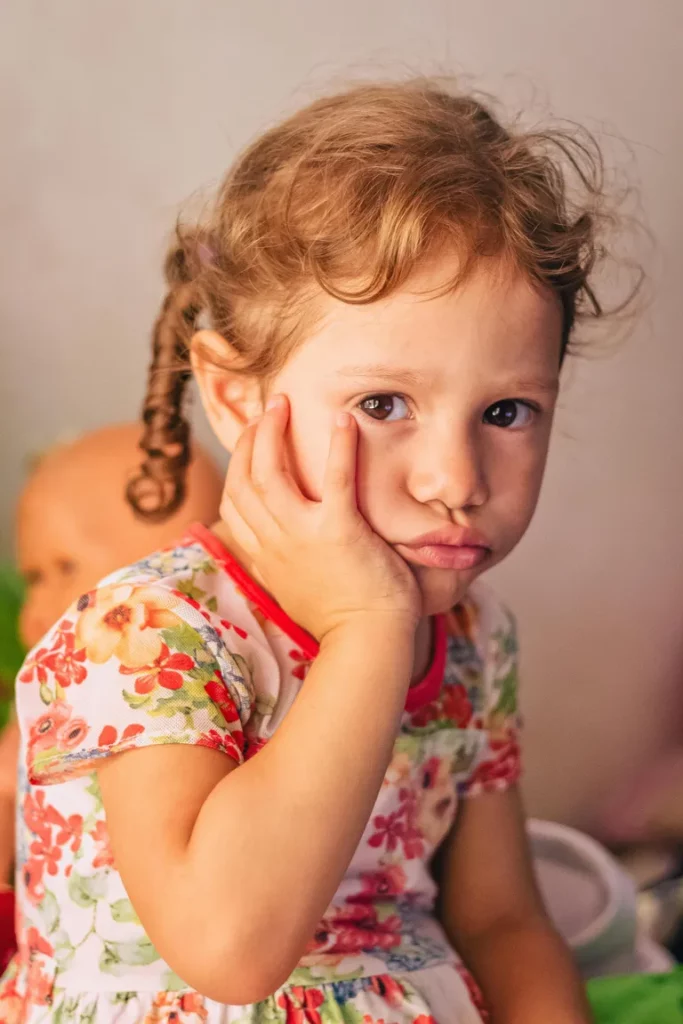
When the day finally came for my discharge, I returned home with a heavy heart and a mind swirling with questions. The familiar walls of our modest apartment greeted me, and Miles was waiting in the living room with that same reassuring smile he always wore. But I couldn’t shake the feeling that something was off.

That evening, over a simple dinner of pasta and salad, I broached the subject. “Miles,” I began softly, “do you remember the gold bracelet I used to wear—the one Mom gave me?” He paused, his fork halfway to his mouth. “Of course,” he said. “It was beautiful.” I hesitated for a moment before asking, “Have you seen it recently?” His eyes flickered with something I couldn’t quite place—a mixture of guilt and nervousness—and he replied, “I haven’t noticed it around.” I frowned, trying to hide my disappointment.

Later that night, unable to sleep, I sat at my kitchen table with a cup of tea and my thoughts swirling. My mind replayed every conversation, every hint. I remembered the day I lost the bracelet—how desperate I had felt searching for it. And now, I realized, it had resurfaced in the most unexpected way, in the hands of someone I barely knew. The betrayal cut deeply.
The next morning, I decided to take matters into my own hands. I logged onto my phone and started searching for any mention of Veronica Reyes online—any connection between her and Miles, or any hint of an explanation. Hours passed, and I combed through social media profiles, old messages, and even hospital guest records. What I found made my heart sink further. There were cryptic posts on a local forum hinting at a secret affair involving a man named Miles Carter. The posts were vague and unconfirmed, but they hinted at a web of betrayal that I never suspected.

I recalled small, almost insignificant details from the past few months: Miles would sometimes come home late with vague excuses, his phone always on silent. I had once brushed off the odd glances he gave when I asked about his day. I had trusted him implicitly—our life had been built on simple promises and mutual respect. Now, everything was being called into question.

The next few days were a blur of anxious waiting and sleepless nights. I resolved to confront Miles, but I needed undeniable proof before I could face him. I began to record little details—the timing of his phone calls, his interactions on social media, and even the subtle changes in his routine. Every small clue began to point to a pattern of deceit.

One evening, after putting our dinner dishes in the sink, I sat down with my laptop to review my findings. I discovered that Miles had been using an alias on a dating site—a fact that sent chills down my spine. The alias, “Markus,” was attached to several flirtatious messages and photos that were far removed from the kind of man I thought I knew. The evidence was mounting, and my heart pounded with a mix of sorrow, anger, and the grim determination to get to the bottom of this betrayal.

That night, as I lay in bed listening to the soft hum of the city outside our window, I made up my mind. I would confront Miles tomorrow morning. I would ask him to explain every discrepancy, every lie. But in the meantime, I needed to keep this secret to myself. I couldn’t bear to shatter the fragile semblance of our home life until I had all the answers.

The next morning, I awoke with a heavy heart and a resolve that surprised even me. I waited until breakfast was over, when the house was quiet, and then I approached Miles in our living room. His eyes were still half-asleep as I spoke softly, “Miles, I need to ask you something important.” He looked up, concern replacing his usual nonchalance. “Of course, Jenna. What’s on your mind?”

I took a deep breath and said, “I lost a gold bracelet about a month ago—a bracelet that belonged to my mother. I searched for it everywhere. And yesterday, when I was in the hospital, I saw that bracelet… on the wrist of a nurse named Veronica Reyes.” I paused, watching as his face shifted imperceptibly. “Miles, do you know anything about that?”

His eyes darted away for a moment before he replied, “I—I don’t know what you mean, Jenna.” I could see the flicker of guilt there, but I pressed on, “I found evidence online, messages that suggest you’ve been leading a double life. I want you to tell me the truth.”

Miles’s face turned pale, and he hesitated, as though searching for the right words. Finally, he muttered, “Jenna, I… I made a mistake.” I felt my heart shatter all over again. “A mistake? Is that supposed to cover for betrayal?” I demanded, my voice trembling with fury and sorrow. “Who is Veronica? And why is that bracelet on her wrist?”

He looked at me, his eyes brimming with regret. “It’s not what you think,” he stammered. “I—I met Veronica a few weeks ago at a work event. Things got out of hand. I never meant for it to go this far.” I listened in numb silence as he admitted that he had given away something very personal—something that belonged to our family—to cover up his infidelity. I recalled the warmth of that bracelet—the memories of my mother’s loving smile, the promise it carried. And now it was tainted by deceit.

Before I could respond, the sound of footsteps in the hallway interrupted us. I turned to see our neighbor, Mr. Collins, peeking through the window as if drawn by the raised voices. The confrontation was too raw to be witnessed by anyone, and I felt a sudden wave of humiliation and despair. My home—the safe haven I had built over the years—was crumbling before my eyes.

I stood up abruptly, my voice rising. “I trusted you, Miles! I believed in our life together, and you betrayed me in the worst possible way.” His silence was crushing, the only response being a choked whisper of, “I’m sorry, Jenna.” But sorry wasn’t enough to mend a broken heart.

The rest of that day passed in a blur of tears and bitter arguments. I packed a small bag and decided that I needed space to think, to process the betrayal that had been so brutally exposed. That night, I left our apartment, unsure of what the future held but determined not to let Miles’s deception define me.

In the following days, as I navigated the painful process of divorce and the emotional fallout of shattered trust, I clung to the lost bracelet as a symbol of my own strength. I took it to my late mother’s favorite park, sat on a worn bench under an old oak tree, and stared at it. I remembered how my mother had told me that sometimes life would break us, but we had to piece ourselves back together—stronger, wiser, and unbowed by the cruelty of fate. In that quiet moment of introspection, I vowed that I would rebuild my life from the ashes of this betrayal. I would learn to trust again, not because I was weak, but because I believed that every wound carried the seed of renewal.

The legal proceedings proceeded swiftly. I decided not to press charges—partly because I couldn’t bear the thought of dragging our personal pain into the public arena, and partly because I knew that no amount of legal retribution could erase the betrayal. Instead, I focused on healing. I reached out to close friends and a counselor who specialized in relationship trauma. Their unwavering support helped me see that while Miles had broken my trust, he could not break the spirit that my mother had instilled in me.

In time, I began to rebuild my world. I moved into a small apartment not far from where I had always lived, a place that felt like a fresh start. I returned to my work as a freelance editor, gradually regaining the confidence that had been stolen from me. And through it all, I wore that lost bracelet every day. It had become a talisman—a reminder that even in the face of betrayal, I had the power to reclaim my dignity and chart a new course.

One crisp autumn day, as the leaves turned gold and crimson, I decided to share my story in a local support group for people who had experienced betrayal. I was nervous at first, but as I recounted the events—the shock of seeing the bracelet on Veronica’s wrist, the slow, painful unraveling of Miles’s double life, and the long journey toward healing—I saw nods of understanding in the faces of those who had been through similar pain. In that room, I realized, I was not alone. The pain of betrayal was a wound many carried, but it was also the spark that ignited a fierce determination to move forward.

Over the months that followed, I continued to document my journey in a journal. I wrote about the anguish, the anger, and eventually the hope that began to seep in through the cracks of my broken heart. I explored how I could redefine trust on my own terms and how I could learn to forgive—not for Miles’s sake, but for my own healing. I started taking walks in the park with the bracelet on my wrist, letting the cool autumn breeze remind me that change was inevitable and that every ending was, in its own way, the beginning of something new.

My path to recovery was neither linear nor easy. There were days when the memories of betrayal would surge up unbidden, days when I would cry myself to sleep, wondering how something so precious could be so carelessly cast aside. But then there were moments of clarity—a smile from a stranger, a kind word from a friend, or even the simple beauty of a sunset—that reminded me that life still held promise. Slowly, I began to rebuild the trust I had lost in others by first learning to trust myself. I enrolled in creative writing workshops, channeling my pain into stories and poems that allowed me to process the labyrinth of emotions swirling inside me.

One particular workshop session stands out in my memory. I had shared an excerpt from my journal that described the moment I recognized the lost bracelet on Veronica’s wrist. As I read, I felt my voice tremble with raw emotion. After I finished, one of the other participants—a gentle man named Oliver—approached me. “Your words,” he said quietly, “they cut through the darkness. I know what it’s like to feel betrayed, to lose a part of yourself. But your strength in sharing your truth is inspiring.” His words, simple yet heartfelt, helped me realize that my story, painful as it was, could serve as a beacon for others who were struggling.

Inspired by this newfound sense of purpose, I began to contribute articles to local magazines about overcoming betrayal and finding strength in vulnerability. I wrote about how the small, seemingly insignificant things in life—a bracelet, a memory, a quiet moment of reflection—could hold the power to transform us if we were brave enough to face them. My writing became a cathartic outlet, a way to turn the bitter taste of betrayal into something that could eventually nourish hope.

As the seasons changed, so did I. The sting of Miles’s betrayal slowly faded into the background of my life, replaced by a determination to create a future defined by resilience and integrity. I made new friends, forged new relationships built on honesty, and even started exploring passions that had long lain dormant. I learned to trust my own instincts again, to value the quiet strength within me that had seen me through the darkest days.

One chilly winter morning, as I sat in a cozy café with a steaming cup of tea and a notebook open before me, I reflected on the journey that had brought me to that point. I remembered the shock of that hospital revelation, the cold sting of betrayal as I confronted Miles, and the long, painful road to healing that followed. And in that reflective moment, I realized that the lost bracelet—once a symbol of cherished memories and maternal love—had become a symbol of my own resilience. It reminded me that no matter how deeply one is wounded, the human spirit possesses an incredible capacity for renewal.

I began to host small gatherings at my new apartment—intimate evenings where people could share their stories of loss, betrayal, and ultimately, recovery. We called these sessions “Reclaiming Our Light,” and they became a source of comfort and strength for everyone involved. Listening to others’ experiences, I saw that each person’s story was unique, yet we all shared the common thread of having been broken at one point, only to piece ourselves back together with newfound courage. Those gatherings reminded me that while betrayal could shatter trust, it could never extinguish the light that resided within each of us.

Months turned into a year, and I found myself gradually opening my heart to the possibility of new beginnings. I even reconnected with distant family members who had always admired my independence and resilience. I learned that forgiveness, though not easy, was a gift I could give myself—one that allowed me to move forward without carrying the heavy burden of anger forever. I still felt the sting of Miles’s betrayal, but I also recognized that my worth was not defined by his actions. I was more than the sum of my losses; I was a survivor, a writer, a woman reborn from the ashes of deceit.

One evening, as I walked through the city park on a crisp spring night, I caught my reflection in a shop window. There, in the glow of streetlights, I saw a face that had endured heartbreak and emerged stronger—a face that wore a quiet dignity despite the scars of betrayal. I reached up and adjusted the bracelet on my wrist. Its tiny engraved heart, once a symbol of maternal love, now also carried the promise of renewal. In that moment, I vowed that I would never allow anyone to take away the light within me again.

Looking back, I realize that the lost bracelet was the catalyst for a series of events that, while excruciatingly painful, ultimately led me to a deeper understanding of who I truly was. It forced me to confront the reality of betrayal, to face the imperfections of the man I had once trusted, and to reclaim my own narrative. I learned that even when life seems to be falling apart, there is a way to rebuild—brick by brick, heart by heart.

Today, as I continue to write and share my journey, I am filled with cautious optimism. I have built a life that is honest and resilient—a life that acknowledges its scars while celebrating its victories. I still remember the shock of that day in the hospital, the overwhelming pain of seeing the bracelet on Veronica Reyes’s wrist, and the slow, agonizing process of uncovering a web of deceit. But I also remember the moments of compassion from friends, the healing words of a stranger in a support group, and the small triumphs that reminded me that I was capable of moving forward.

In sharing my story, I hope to offer encouragement to anyone who has ever felt betrayed, who has ever doubted their own worth because of another’s deception. Trust is fragile, and betrayal can cut deep—but in the aftermath, we have the power to rebuild our lives on our own terms. Every scar tells a story, and every broken piece can be reassembled into something new and beautiful. The lost bracelet that once symbolized a cherished past now shines as a beacon of hope—a reminder that even in the face of the most profound betrayal, we can find the strength to reclaim our lives and create a future defined by dignity, resilience, and hope.

As I close this chapter of my story and look to the horizon of new beginnings, I carry with me the lessons learned from a web of betrayal and the triumph of the human spirit. I invite you, dear reader, to reflect on your own journey. May you find the courage to seek the truth, to stand up for yourself, and to embrace the light that follows even the darkest of nights.

In the end, a single, lost bracelet not only uncovered a hidden web of betrayal but also set me on a path to rediscovering my true self. It taught me that while we cannot control the actions of others, we can choose how we respond—and that in our response lies the power to transform our pain into something truly extraordinary. I now wear that bracelet proudly, a constant reminder that I have overcome the betrayal of the past and that my future is mine to shape, one day at a time.

May my journey inspire you to reclaim your own light, to rebuild with integrity, and to never let the actions of another define the strength of your heart. For even when trust is shattered, the fragments can be gathered to form a mosaic more beautiful and resilient than before.

In recounting these events, I have come to appreciate that every painful experience holds the potential for transformation. My life, once marked by quiet routines and simple pleasures, was irrevocably altered by that moment in the hospital. Yet, in that very moment, when I saw the bracelet on Veronica’s wrist, I was forced to confront the uncomfortable truth about the man I loved and the life I thought I knew. The betrayal was raw and the wounds deep—but through the healing process, I discovered an inner strength I never knew I possessed.

I now stand at a new beginning, with every day offering a chance to rebuild, to redefine trust, and to find beauty in the broken pieces. The lost bracelet, once a token of my mother’s love, now symbolizes the resilience of the human spirit—a testament to the fact that even when our hearts are betrayed, they can mend and shine brighter than before.

As I continue to move forward, I do so with gratitude for the support of those who have helped me on this journey and with a fierce determination to never again let deception steal away my self-worth. My story is one of heartbreak, yes, but it is also a story of empowerment—a reminder that from the depths of betrayal, we can rise, rebuild, and reclaim the promise of a life defined by hope and authenticity.

I hope that by sharing my journey—from the shocking discovery of that lost bracelet to the painful confrontation with betrayal, and finally, to the slow, steady process of healing—I can offer some comfort and guidance to anyone facing similar trials. Remember, dear reader, that while the scars of betrayal may never fully fade, they can become the very marks that testify to our capacity for renewal. We are all capable of rewriting our stories, of transforming our pain into wisdom, and of forging a future where our inner light outshines even the darkest moments.

Now, as I prepare for another day—one filled with the familiar sounds of life and the quiet determination to embrace all that the future holds—I know that I have reclaimed my power. I have learned that true healing comes not from holding onto the past, but from accepting it, learning from it, and then letting it go to make space for new dreams. And so, with a deep breath and the gentle weight of that treasured bracelet on my wrist, I step forward into a tomorrow that, despite all its uncertainties, holds the promise of redemption and the triumph of the human heart.

May my story serve as a beacon for all those who have been betrayed, a reminder that even when trust is broken, we have the power to gather the pieces and build something new, something enduring. I am Jenna Lawson, and this is my truth—a truth born from the loss of a cherished memento, the painful unveiling of deceit, and the ultimate discovery of my own unyielding strength.

What My Son Said Before I Re-Married Gave Me Chills Down My Spine – Today’s Story

Walking Through the Shadows, Dancing in the Light

It wasn’t supposed to be this way. There was a time when laughter filled our home, when every room shimmered with memories of love and joy. But fate, with its cruel twists, tore those days apart in a single, devastating moment. This is the story of how I, Lena Hartley, and my brave son, Ethan, learned to walk again after life’s darkest chapters threatened to bury us forever.

The Day the World Stood Still

I remember the day so vividly—the sound of screeching tires, the shattering of glass, the deafening silence that followed. It was an ordinary afternoon when a tragic car accident robbed me of two of the most important men in my life. My father, Richard Hartley, had always been my steadfast guide, and my ex-husband, Daniel Reeves, once my partner in building a future, was gone in an instant. In a cruel twist of fate, both were claimed by the accident, leaving behind a void so deep I feared I’d never escape its darkness.

I was left alone with Ethan, my 10-year-old son at the time, his wide eyes reflecting confusion and grief. The shock of that day reverberated through our lives like a relentless echo. I could feel the ground beneath me crumble, and the weight of sorrow threatened to pull us into an abyss from which there seemed to be no escape.

For nearly a year, every sunrise felt like a battle against despair. I found myself drifting through days, my heart encased in a fog of mourning. The world continued to spin around me, indifferent to the anguish I felt. The only light in that never-ending tunnel was Ethan—a spark of resilience in the overwhelming darkness. His laughter, though sometimes tinged with sadness, reminded me of the beauty life could still hold. It was his gentle smile that would coax me out of bed on the coldest mornings and his quiet words of encouragement that whispered promises of a better tomorrow.

Clinging to the Fragments

In the months that followed the accident, grief became our constant companion. Ethan and I navigated a landscape scattered with memories and pain. I often found myself lost in thought, recalling the stories my father used to tell me about hope and survival, and the dreams Daniel and I had once nurtured together. Those memories, while bittersweet, became my lifeline—a reminder that even in loss, there was love, and even in despair, there was a glimmer of hope.

We sought solace in the simplest of moments: a shared cup of tea in the early hours of the morning, a walk in the park where the first hints of spring brought a promise of renewal, and long, quiet evenings where we silently acknowledged that, despite everything, we still had each other. I poured my heart into making our small home a sanctuary of healing, adorning the walls with photographs that celebrated the lives we had lost and the memories we hoped to preserve.

As time passed, the raw edges of our grief began to dull, replaced by a cautious determination to keep moving forward. It wasn’t an easy journey—the nights were long, and the road ahead was shrouded in uncertainty—but Ethan’s resilience and unwavering love became my compass. In the echoes of our shared pain, we discovered an unspoken strength that reminded us both that the human spirit is remarkably capable of surviving even the deepest wounds.

A Flicker of New Beginnings

Three years had passed since that fateful day. The scars of our loss were still there, a constant reminder of the fragility of life, but the bitterness of our grief had gradually given way to the tender shoots of hope. It was during this time that I began to see the possibility of new beginnings, even if the thought of embracing them seemed impossible at first.

I met James—a kind, gentle soul whose quiet strength resonated with me. James wasn’t looking for someone to fill the void left by my past; he was there to walk alongside me as I found my own way back to life. Our relationship blossomed slowly, built on mutual respect, shared laughter, and the unspoken understanding of life’s unpredictability. I was hesitant at first, still haunted by the ghosts of loss, but James’s patience and unwavering support gradually helped me open my heart once again.

As our connection deepened, I began to see the world with fresh eyes. The pain was still there, but it was no longer the defining force of my existence. Instead, it served as a poignant reminder of how precious every moment was—and how deeply love could transform even the most shattered spirit.

The Wedding That Transcended Grief

The day of our wedding arrived like a soft whisper of hope amidst the echoes of our past. It was a bright, crisp morning when I found myself standing before a mirror, carefully adjusting the delicate lace of my wedding dress. The reflection that stared back was one of both resilience and vulnerability—a testament to the journey I had undertaken, the battles fought, and the triumphs quietly celebrated.

The ceremony was to be a union not just of two souls in love, but of two families intertwined by shared histories and dreams for the future. I had made the difficult decision to honor my late father’s memory by choosing someone else to walk me down the aisle. In my heart, I wished for that moment to be filled with the innocence and unconditional love that only a child could provide.

Ethan, now 12 years old, had grown into a young man with a gentle strength and an empathetic soul. I could see in his eyes the same spark of determination that had once lifted me from the depths of despair. When the time came to choose my escort down the aisle, Ethan stepped forward without hesitation. His small hand reached out, and in that gesture lay the weight of all our shared struggles and triumphs.

As we began our walk, the air was filled with a bittersweet blend of memories—of my father’s guiding presence, of the love I had lost, and of the promise of a future still waiting to be written. And then, with a seriousness that belied his tender age, Ethan spoke words that sent chills down my spine:

“Mom, today isn’t just about looking forward. It’s about honoring the past—the part of us that will always be a part of who we are. Let’s celebrate every step we’ve taken, every tear we’ve shed, and every smile we’ve shared. Today, we’re not leaving our loved ones behind; we’re carrying them with us into our new life.”

In that moment, time seemed to stand still. His words, simple yet profound, encapsulated the essence of our journey—from the depths of despair to the threshold of hope. Tears streamed down my face as I realized that Ethan had, in his quiet wisdom, captured the very spirit of resilience and love that had carried us through our darkest days.

Embracing the Future

The wedding ceremony was more than just a celebration of a new beginning—it was a heartfelt tribute to the enduring power of love and the strength that lies in the bonds we share with those who have shaped us. As I walked hand in hand with James, guided by Ethan’s steady presence, I felt a sense of peace wash over me. It was a peace born not out of forgetting the past, but out of accepting it as an integral part of who we are.

The reception was filled with laughter, music, and the gentle hum of conversations that spoke of hope and renewal. I watched as Ethan mingled with our guests, his bright smile a beacon of the future we were building together. His quiet maturity and the grace with which he carried his own sorrows were a reminder that even in the wake of loss, life has a way of healing, of weaving new narratives from the threads of the old.

As the night wore on, I found a quiet moment to reflect on the journey that had brought me to this day. I thought of my father’s steady hand, always there to guide me, and of Daniel’s shared dreams that once painted a picture of a hopeful future. Their absence was a pain that time could never fully erase, but tonight, in the glow of candlelight and the warmth of our shared celebration, I felt an overwhelming gratitude for the life we had forged together.

I realized that the human heart is capable of holding an almost infinite amount of love and loss simultaneously. The memories of those we’ve lost do not fade away; they become woven into the tapestry of our lives, influencing every decision, every smile, and every step forward. And as I embraced this truth, I felt a renewed determination to honor their memories by living a life that celebrated love, resilience, and the beauty of new beginnings.

A Journey of Healing

In the months following our wedding, life began to settle into a rhythm that was both familiar and wonderfully new. James and I embarked on countless adventures—quiet mornings spent in the garden, long drives along winding country roads, and evenings filled with deep conversations that traversed the landscapes of hope and possibility.

At the heart of our journey was the bond between Ethan and me. The boy who had once clung to my hand in the wake of unimaginable loss was now a young man with dreams of his own. We spent hours talking about our past, our shared grief, and the incredible strength we had discovered in one another. It wasn’t always easy—the memories of loss would sometimes surge unexpectedly, like a sudden storm on an otherwise clear day—but in those moments, we found solace in our mutual understanding. We learned that healing is not a destination but a continuous journey, one that requires patience, compassion, and above all, love.

I began to explore new passions, finding comfort in writing and art. I discovered that creativity was a powerful tool for processing my grief—a way to translate the emotions that had once seemed so overwhelming into something tangible, something beautiful. I would often sit by the window in the soft glow of the afternoon sun, penning reflections of my journey, each word a step toward reclaiming the parts of myself that had been lost along the way.

James, ever the supportive partner, encouraged me to share my writing. “Your words have a way of touching hearts,” he would say, his eyes alight with genuine admiration. “They carry the truth of your soul, and that truth has the power to heal others as well.” His encouragement gave me the courage to compile my thoughts into a collection of short stories and reflections—a tapestry of my life woven from threads of sorrow, joy, and everything in between.

Meanwhile, Ethan began to explore his own passions. His love for music blossomed, and I could often hear him practicing on his old guitar late into the evening, his melodies echoing the bittersweet beauty of our shared past and the promise of a hopeful future. His music became a soundtrack for our healing, a reminder that even in the midst of pain, beauty could still be found.

One particularly memorable evening, as autumn leaves danced around our small garden, Ethan and I sat together beneath a starlit sky. The conversation turned to the future, to the dreams that each of us harbored quietly in our hearts. “Mom,” he said softly, his eyes reflecting the wonder of the night, “I know we’ve been through so much. But every time I look up at the stars, I feel like they’re telling me that no matter how dark it gets, there’s always a light somewhere waiting for us.” His words, simple yet profound, reminded me that hope often arrives in the quietest of moments, when we least expect it.

The Weight of Memory, the Gift of Presence

As time passed, our lives began to interlace with those who had touched our hearts along the way. Family and friends, who had stood by us through the hardest times, became the threads that enriched our tapestry of healing. I found myself in long, heartfelt conversations with my mother, who had also experienced the pain of loss, and with friends who had been there to pick up the pieces when life had shattered our illusions of control.

In one such conversation, my dear friend Marissa confided in me over a cup of tea. “Lena, I see you walking through the shadows and dancing in the light. Your journey has been incredibly hard, but you’ve found a way to honor your past while embracing your future. That’s a rare gift.” Her words, laced with admiration and empathy, resonated deeply within me. It was then I realized that the path of healing is often illuminated by the shared stories of those who have faced their own demons and emerged stronger.

I began to speak openly about my experiences, sharing my story with others who struggled under the weight of their own sorrows. I attended support groups and even led a few sessions where I encouraged others to find strength in their vulnerabilities. In these moments, I witnessed firsthand the transformative power of shared pain—the way it could bind strangers together in a collective journey toward healing. Each shared story, each tear and smile, was a reminder that while loss may leave scars, it also has the power to inspire an unyielding courage.

A Legacy of Love

One crisp winter day, as the first snowflakes of the season began to fall, I found myself reflecting on the legacies we leave behind. My father, whose quiet strength and unwavering support had guided me through my earliest years, had instilled in me the importance of living with compassion and purpose. Daniel, my ex-husband, despite the complexities of our past, had once shared dreams of a future built on love and perseverance. And now, in the gentle light of the present, I was crafting my own legacy—a legacy that honored those who had shaped me while paving the way for the generations to come.

I decided to establish a small community art and music center, a place where those who had experienced loss could come together to heal, to create, and to share their stories. It was a project born out of my own journey—a tribute to the transformative power of art and the enduring strength of the human spirit. James and I poured our hearts into the project, dedicating weekends to planning and evenings to gathering supplies, our shared vision a beacon of hope in a sometimes dark world.

Ethan, now a young man with a heart full of dreams, played an integral role in the project. His music classes became a sanctuary for local kids, while his gentle nature and empathetic soul made him a natural mentor for those grappling with their own sorrows. Together, we watched as the center blossomed into a vibrant hub of creativity—a living testament to the resilience of those who refused to be defined by their losses.

During the grand opening of the center, I stood before a crowd of friends, family, and strangers whose eyes sparkled with hope. In that moment, I realized that our journey of healing was not just our own; it was a legacy that rippled outward, touching countless lives. My voice trembled as I spoke, “Today, we celebrate not just art and music, but the indomitable spirit of every soul present here. Each one of us carries a story of loss, of triumph, of endless love. And it is through sharing our stories that we remind the world that even in the darkest of times, there is light.”

The crowd erupted in applause, and in that overwhelming moment, I felt a deep sense of fulfillment. The legacy of my father and Daniel had found new meaning—a living, breathing tribute to the power of love and resilience. And as I looked over at Ethan, I saw not just my son, but a young man who had become a beacon of hope for so many others.

The Echoes of a Promise

Years passed, each day a delicate balance between remembrance and renewal. The art and music center flourished, becoming a sanctuary for those in search of solace and inspiration. James and I often reminisced about our journey—the long nights filled with grief, the tentative steps toward healing, and the triumphant moments when life began to shine through the cracks of our broken hearts.

On a serene summer afternoon, as the center bustled with laughter and creativity, Ethan approached me with a soft, contemplative smile. “Mom,” he said, his voice steady despite the emotions that lay beneath, “do you remember that day at the wedding? The day you walked down the aisle, with me by your side, honoring all that we’ve lost and all that we’ve yet to discover?” I nodded, recalling every detail—the mingling of sorrow and hope, the warmth of shared memories, and the promise of new beginnings. “I do,” I whispered, my eyes brimming with gratitude and love.

Ethan continued, “I’ve been thinking a lot about that moment. I realized that every step we took that day was a promise—a promise that no matter how painful our losses, we would carry our loved ones with us, and we would never stop seeking the beauty in life. I promise to always honor our past, to nurture the dreams we hold, and to create a future that shines with the light of every soul that has touched our hearts.”

In that exchange, I recognized the full circle of our journey. The boy who had once clung to me in the depths of despair had grown into a man of profound wisdom, a living embodiment of hope and resilience. His promise was more than just words—it was the culmination of every tear shed, every smile shared, and every moment of silent strength that had defined our path to healing.

Dancing in the Light

Now, as I sit by the window of our home—a home that has witnessed sorrow and celebrated joy—I reflect on the journey that has brought us here. There were days when the weight of loss felt unbearable, when the darkness threatened to swallow every ray of hope. Yet, through it all, I discovered that the human spirit is incredibly resilient, capable of not just surviving, but thriving, even after unimaginable pain.

My father and Daniel will always remain a part of my heart, their memories woven into the fabric of my being. But tonight, as I prepare for yet another chapter in my life, I see them not as ghosts of the past, but as guiding stars that have illuminated my path. The promise I made to myself—that I would never let grief define me—was fulfilled not by forgetting, but by embracing every fragment of my life—the sorrow, the joy, the loss, and the love.

Ethan, with his quiet wisdom and unwavering strength, continues to remind me that every moment is a precious gift. His words on that fateful wedding day still echo in my heart, a constant reminder that even in the darkest of nights, the light of hope will always guide us home. And so, as I dance in the light of this new day, I do so with the knowledge that every step is a tribute to the past, a celebration of the present, and a promise for the future.

Epilogue

The journey of healing is not measured by the number of days that pass, but by the courage to face each day with a heart open to possibility. My story, like that of so many others, is a tapestry of sorrow and joy—a reminder that even in the wake of devastating loss, life has the remarkable ability to renew itself, to find beauty in the broken, and to rise, time and time again.

As I write these words, I think back to that pivotal moment when Ethan’s voice resonated with a truth so profound that it gave me the strength to move forward. His simple yet powerful message—that every step we take is both a remembrance of what has been and a promise of what will be—became the cornerstone of our healing. And now, standing on the threshold of a future filled with promise and possibility, I am filled with gratitude for every trial, every tear, and every moment of unexpected joy.

For in our shared journey, I have learned that while the past may leave scars, it also leaves behind lessons in resilience and love. And as we continue to dance through the shadows and into the light, we do so with the firm belief that no matter how heavy the burden of loss, the promise of a brighter tomorrow is always within reach.

Afterword

To anyone reading this story, I offer these words of hope: Life, with all its twists and turns, is a journey of both heartache and wonder. There will be moments when the weight of grief feels insurmountable, but remember that within every shadow lies the potential for light. Embrace your story—every fragment of it—and know that the promise of new beginnings is real. We carry our loved ones not in the sorrow of what we’ve lost, but in the strength of what we continue to build. May you find solace, strength, and the courage to walk into your own light.

Reflection

Looking back, every step—from the darkness of despair to the brightness of hope—has been a testament to the unyielding resilience of the human spirit. Ethan’s words on that wedding day were not just a tribute to the past, but a beacon for our future. As I continue to write new chapters in the story of my life, I carry with me the lessons of loss, the warmth of love rediscovered, and the promise that no matter what, hope will always prevail.

In this life, where every moment is both fragile and infinite, we find our strength not in forgetting the past, but in honoring it and letting it guide us toward a future filled with compassion, creativity, and joy. And so, as I close this chapter, I do so with a heart that is both tender and resolute—a heart that has walked through the shadows and now dances freely in the light.